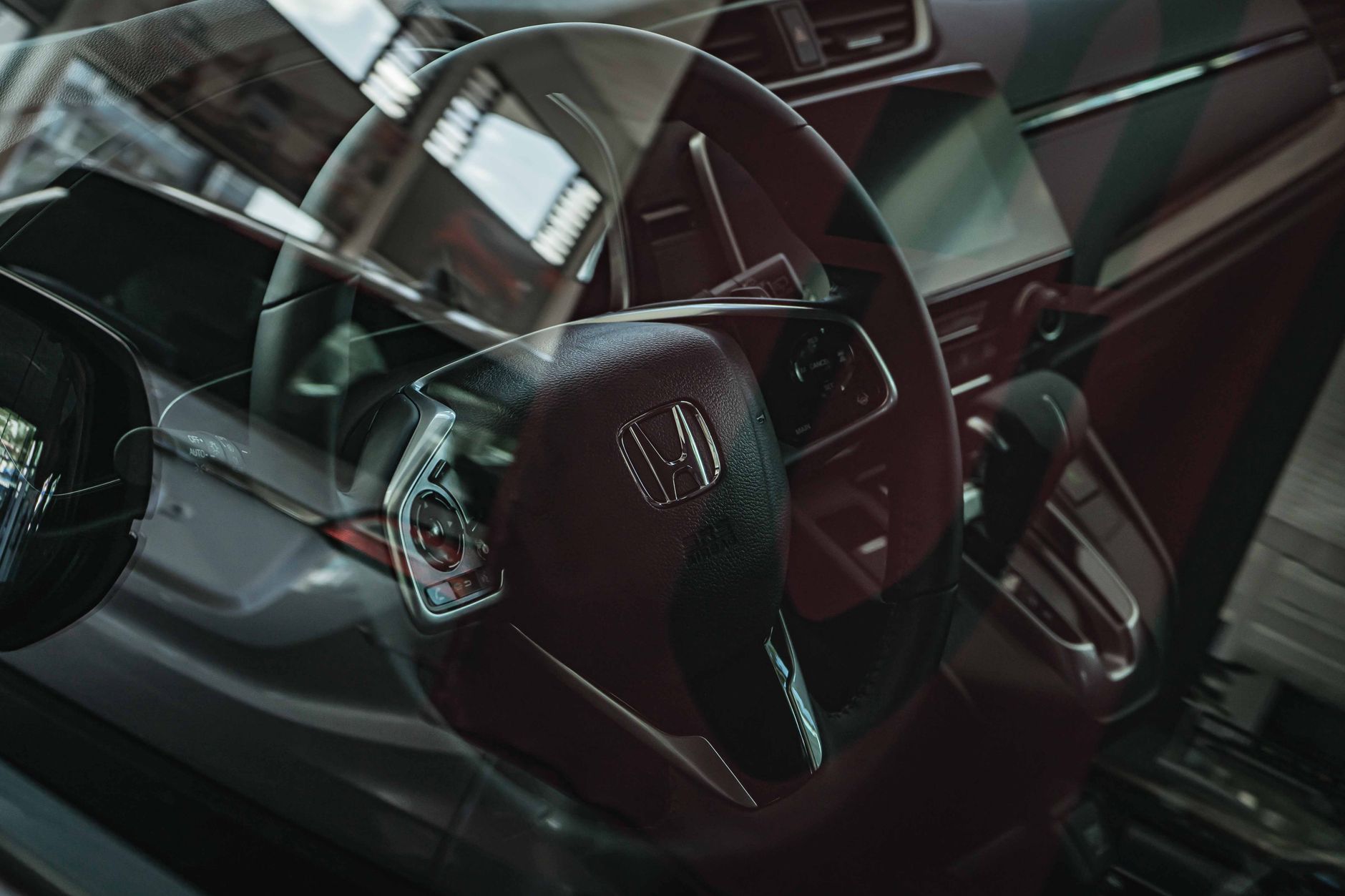
Massive Safety Recall Targets Honda SUVs and Crossovers
This week, honda recalls nearly 900,000 vehicles in the United States after investigators found a corrosion risk in the rear subframe that can degrade the rear suspension and raise crash risk. The recall spans several model years across popular family SUVs and crossovers, underscoring how a seemingly small rust issue can become a nationwide safety matter.
American Honda Motor Co. said the recall focuses on the rear subframe mounting points, where corrosion can develop over time and potentially trigger rear-suspension failure. So far, the company has not reported any injuries tied to the defect, and it emphasizes that the fix will be provided at no cost to owners.
Which Vehicles Are Affected
The recall covers specific models and years, including:
- 2016-2022 Honda Pilot
- 2017-2023 Honda Ridgeline
- 2019-2023 Honda Passport
- 2014-2020 Acura MDX
In total, the campaign centers on 880,514 vehicles sold across a defined set of states. These cars and SUVs were built with rear subframes that Honda says may corrode at critical suspension mounting points, increasing the chance of a loss of control on the road.
Geography and Scale
The affected U.S. population is concentrated in a defined corridor of states where the corrosion risk is more prevalent, with a substantial portion of the recalled vehicles located in these regions:

- Connecticut
- Delaware
- District of Columbia
- Illinois
- Indiana
- Iowa
- Kentucky
- Maine
- Maryland
- Massachusetts
- Michigan
- Minnesota
- Missouri
- New Hampshire
- New Jersey
- New York
- Ohio
- Pennsylvania
- Rhode Island
- Vermont
- Virginia
- West Virginia
- Wisconsin
Honda notes that just about 1% of the recalled population may actually have the defect, a figure that helps frame the overall risk alongside the broad scale of the recall.
What Honda Will Do to Fix It
The remedy is action-focused and free for vehicle owners. Dealers will inspect the rear subframe and, if needed, install a reinforcement kit. In some cases, technicians will repair or replace rear subframe components to restore safe operation.
Honda executives stressed that the fix is designed to restore structural integrity and reassure owners that the company will cover all costs associated with the repair. A company spokesperson said, "We are committed to ensuring customers have safe, reliable vehicles and we will handle this promptly at no charge."
How Owners Should Respond
Owners can take proactive steps to determine if their vehicle is part of the recall. The National Highway Traffic Safety Administration (NHTSA) maintains a recall VIN search tool, and vehicle Identification Numbers can be checked beginning June 10. The NHTSA campaign number for this recall is 26V367000, and Honda’s internal references for the recall are AOU and AOT.
Honda has begun notifying affected owners, with the company stating that letters are expected to be mailed on a scheduled date (the company says to watch for notices in the mail), and owners should bring their vehicle to an authorized dealership for the free inspection. In the meantime, owners can contact Honda customer service at 1-888-234-2138 for guidance or to confirm recall status by VIN.
Market and Consumer Impact
The recall comes at a time when consumer safety notices can influence the used-vehicle market, particularly for midsize SUVs and crossovers that dominate family transport. While there are no reported injuries from this defect, the recall underscores how manufacturers manage safety risks in a sprawling, evergreen fleet. For buyers and current owners, the recall process adds a layer of timing every used-car decision in the coming months.

From a personal-finance perspective, the recall highlights the cost-free nature of manufacturer recalls and the importance of staying informed about safety campaigns. For investors and market watchers, the event contributes to a broader pattern of automotive safety initiatives that can influence resale values and maintenance costs across the segment.
Key Data at a Glance
- Campaign focus: rear subframe corrosion leading to possible rear-suspension failure
- Models and years included: 2016-2022 Honda Pilot; 2017-2023 Ridgeline; 2019-2023 Passport; 2014-2020 Acura MDX
- Total vehicles involved: 880,514
- Geographic scope: specific states across the Northeast, Midwest and Mid-Atlantic regions
- NHTSA campaign number: 26V367000
- Honda recall numbers: AOU, AOT
- VIN search: available on NHTSA.gov starting June 10
- Owner notification: letters expected to be mailed (date provided by manufacturer)
- Cost to owners: zero for inspections and repairs
Bottom Line for Consumers
For owners of affected vehicles, the safest path is to verify recall status using the VIN and to schedule a dealer visit as soon as a recall notice arrives. The recall process is designed to be quick and cost-free, with a focus on preventing potential loss of control on the road. The headline takeaway remains clear: this is a high-priority safety notice with a broad reach across popular family vehicles.
In a moment when car buyers are weighing safety, cost and reliability, the recall reinforces the importance of manufacturer-led repairs and transparent disclosure. As the fleet ages, consumers should expect more recalls tied to corrosion and structural components that can affect handling and safety. The broader lesson for drivers is straightforward: stay informed, and respond quickly when safety campaigns arrive.


Discussion