Houston’s Gateway Under Strain as TSA Absences Surge
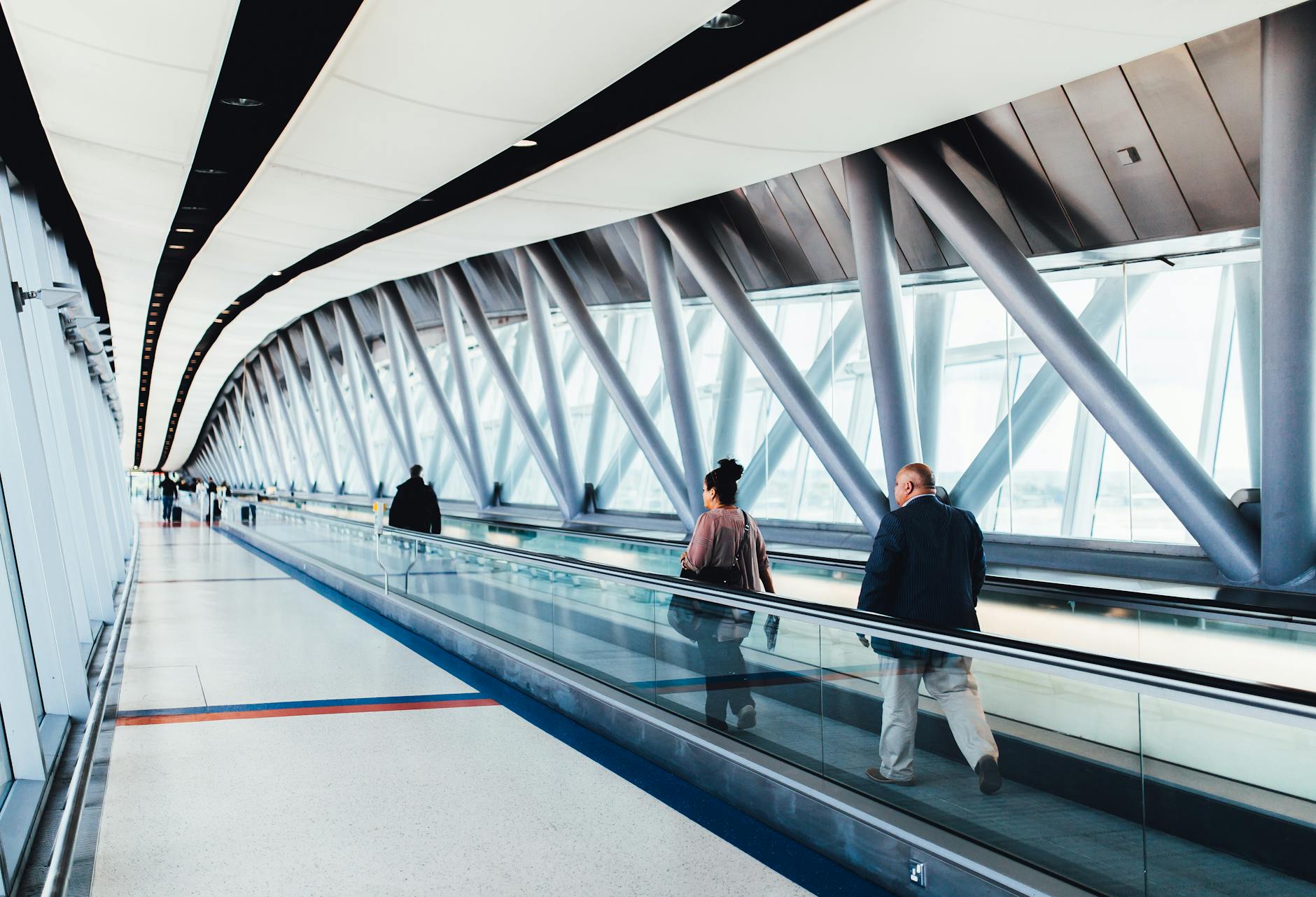
The nation’s travel system is again in the spotlight as security lines stretch to hours at major hubs. In Houston, the administration-wide shutdown has caused a wave of TSA staffing gaps, turning the city’s largest airport into a symbol of how political standoffs ripple into daily life. By midweek, travelers faced warnings of multi‑hour waits just to reach the security checkpoint, a stark contrast to pre‑shutdown norms.
Across the country, lawmakers have debated funds that keep federal workers paid daily. But until a resolution comes, the houston airport, with nearly 40% TSA absences on a single shift, embodies the friction between public service and private travel needs. The scene at George Bush Intercontinental is a reminder that a distant budget fight can become a personal disruption for millions.
Why Houston Is Pulling More Weight Than Most
Houston’s airport scene is not just a story of lines. It sits at the intersection of heavy traffic and the nation’s busiest travel season. In 2024, George Bush Intercontinental handled about 48.4 million passengers, far more than Hobby Airport, which served roughly 14.6 million. That higher volume amplifies the impact of even small staffing gaps on wait times and flight connections.
Officials point to three factors behind Houston’s outsized trouble: one, TSA workers in the area have higher callout rates than many peers; two, the airport serves as a major hub for United Airlines, driving heavier passenger flows; and three, the current period marks a peak travel month for the city’s tourism sector. The national average for TSA callouts hovered around 11% on a recent day, but at Houston Intercontinental, the rate spiked toward the high end of the spectrum, pushing some security lanes toward gridlock.
Voices from the Terminal: Real Stories, Real Costs
Travelers on Tuesday described a scene of fatigue and queues. One passenger, Edgaer Fernando, who was bound for Guatemala, described the morning as a test of patience: “We’ve been here since 8 o’clock, waiting in a long line that just keeps moving slowly.” The mood inside the bag belts and vending machines told its own story—frustration, fatigue, and a touch of resignation as people weighed the cost of delays against the importance of their trips.
Union officials and airport managers emphasize that the bottleneck is less about local staffing than about the broader national shutdown’s reach. Johnny Jones, secretary-treasurer for AFGE Council 100, noted that Houston’s TSA callout rates have run well above the national average for days, a signal that the problem is systemic, not isolated to a single terminal. “The workers are ready and willing to do their jobs,” Jones said. “The system simply isn’t functioning at full capacity because funding gaps leave shift coverage uncertain.”
The Personal Finance Toll: Delays, Costs, and Choices
For many households, the disruption at the houston airport, with nearly 40% TSA absences, translates into real money: missed connections, hotel stays, meals away from home, and the unpredictable costs of rebooking flights. Families facing late connections risk increased expenses for meals, alternate lodging, and transportation if rebookings become necessary. The financial ripple can disrupt budgets that were already stretched by higher fuel prices and inflationary pressures in other areas.
Travelers are weighing whether to purchase more flexible tickets, add travel insurance, or buy backup options during this period of heightened risk. Airlines have begun to offer waivers or low‑cost rebooking windows at many airports, though the exact terms vary by carrier and route. In households with tight margins, even small policy changes can determine whether a trip proceeds as planned or becomes financially disruptive.
What to Do Now: Practical Steps for Travelers
- Check flight statuses frequently and sign up for real-time alerts through your airline app or SMS updates.
- Keep a flexible mindset: consider options for same‑day rebooking or alternate routes with fewer connectors.
- Review your travel protections: credit card benefits and standalone travel insurance can offset some costs from unexpected delays.
- Budget for contingencies: if you must stay in a city overnight, compare reasonable hotel options close to the airport to curb last‑minute expenses.
- Document expenses related to delays and keep receipts; some costs may be eligible for reimbursement or credit if you can show the disruption was outside your control.
The Road Ahead: Policy, Ports, and Pocketbooks
As lawmakers wrestle with funding and operations, the larger question is whether airports like Houston can absorb this level of disruption without a systemic overhaul. The current environment has highlighted several vulnerable points: security staffing levels, redundancy in shift coverage, and the speed with which the system can adapt to sudden shortfalls in federal funding.

For travelers, the immediate concern remains visible: the houston airport, with nearly 40% TSA absences, is a vivid reminder that travel costs and schedules are sensitive to policy decisions far from the terminals. The longer the stalemate lasts, the more households will feel the sting through higher out‑of‑pocket costs, longer wait times, and fewer reliable options for getting to essential commitments.
Data Snapshot: Quick Takeaways for Your Wallet
- National TSA callouts: roughly 11% on a recent day.
- Houston Intercontinental callouts: near 40% on the same day, reflecting local pressures.
- Hobby Airport callouts: about 43%, underscoring that Houston’s two airports face intense strain.
- Passenger throughput: Houston Intercontinental handled 48.4 million travelers in 2024; Hobby served 14.6 million.
- Estimated travel delays: some travelers faced up to four hours in security queues at peak times.
Bottom Line: A Crisis in Slow Motion for Personal Finance
The ongoing political stalemate over funding is having a tangible effect on everyday travel and personal budgets. For the moment, the houston airport, with nearly 40% TSA absences, stands as a stark example of how a shutdown can translate into longer lines, higher costs, and more anxious headlines for millions of American households.
As families plan spring trips and business travelers chase important meetings, the lesson is clear: flexibility, preparedness, and vigilance over flight changes are now essential tools in navigating a travel landscape shaped by political and operational headwinds.



Discussion