
Origin Of A Movement
In a moment that blended fear with public visibility, Howie Mandel faced a panic attack that began behind the scenes and spilled onto the stage. While on a late-night radio appearance, a routine task became a barrier he could not cross, and the moment of vulnerability was broadcast to millions. On that day in New York, a stranger on the street offered a simple, shared acknowledgment: someone else understood what he was going through. That connection became a catalyst for a broader conversation about OCD and mental health care.
That key exchange loomed larger than any single therapy session. Mandel’s willingness to open up about his own struggles signaled a shift in how the public talks about mental health: from stigma to support, from silence to scalable care. The moment is widely referenced as a turning point that helped turn personal pain into public action.
The Turning Point And The Idea Of Community Care
From that sidewalk encounter emerged a broader movement: patients seeking practical, stigma-free access to evidence-based treatment. Mandel became a public face for a growing belief that OCD and related conditions could be managed with ready-to-use tools and professional guidance, rather than endured in isolation. The narrative became a blueprint for building supportive communities around treatment, not just conversations about it.
Industry observers note that the shift was as much about business models as it was about attitudes. When people talk about the business of mental health care, they often point to the rise of digital platforms that connect patients with clinicians who specialize in OCD and related disorders. Mandel’s story is now cited as a case study in how personal experience can accelerate market demand for accessible care.
NOCD And The OCD Focused Telehealth Platform
The platform that grew from that moment is a virtual therapy company focused on obsessive compulsive disorder. NOCD emerged as a leading provider in its niche, offering therapy through online sessions and digital tools designed to support ongoing treatment. By 2024, NOCD was valued at nearly $270 million, highlighting how a specialist service can command strong investor interest when it aligns clinical efficacy with scalable software.
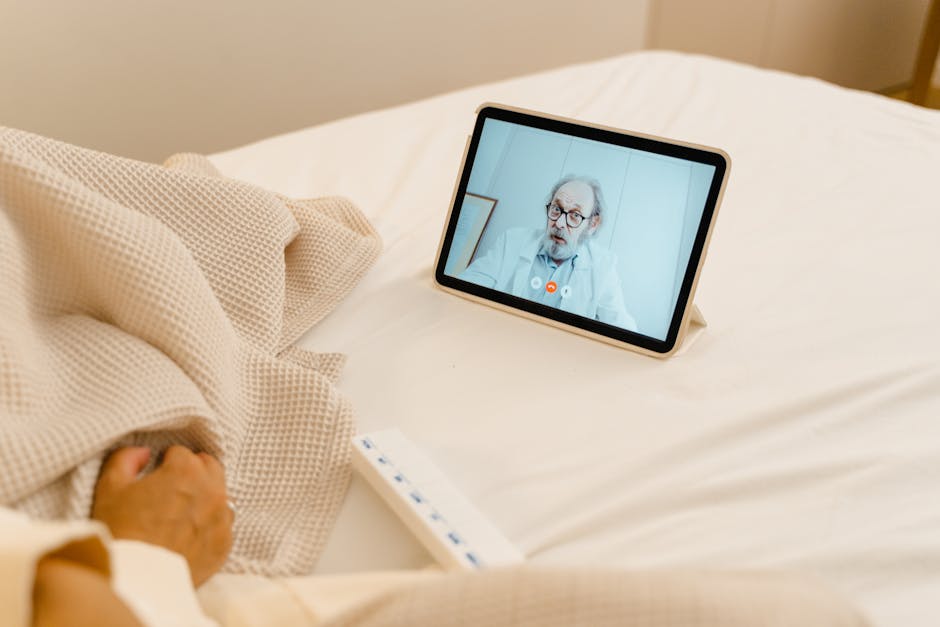
Key metrics cited by industry trackers include more than a million therapy sessions conducted annually and broad insurer access, with more than 140 million people theoretically able to access NOCD services through coverage plans. These figures illustrate a model where clinical impact and payer integration reinforce each other, expanding treatment reach for individuals who previously faced barriers to care.
From Confession To Conglomerate: Noto And Rebound Health
In a strategic expansion, the company behind the platform broadened its footprint beyond OCD treatment. In January of a recent year, NOCD announced the acquisition of Rebound Health, a platform focused on post-traumatic stress disorder, and launched a parent brand named Noto. The move positioned the business to address a broader spectrum of mental health conditions while leveraging shared technology, data, and provider networks.
The growth story hinges in part on an AI-powered care software that helps streamline scheduling, triage, and personalized treatment paths. This technology backbone supports rapid scaling across a growing clinician network and a widening patient base, helping to translate clinical outcomes into measurable engagement and retention metrics.
Financial And Market Context
Private mental health tech has drawn sustained investor attention as payer policies and employer health initiatives increasingly favor accessible, outcome-driven care. The NOCD/Noto trajectory reflects a broader trend: patients are seeking targeted, evidence-based care delivered digitally, while insurers and employers seek cost-effective programs that demonstrate real improvement in symptoms and quality of life.
Industry data show a pattern of steady funding for specialized telehealth platforms, even as competition grows and regulatory requirements evolve. In this climate, a company that pairs a clear clinical focus with a scalable software platform can achieve outsized impact and compelling valuations, even without a traditional public listing.
Impact On Personal Finance: What This Means For Investors And Patients
- Scale matters: The combination of a recognized clinical specialty and a robust tech stack can unlock widespread insurance access and employer partnerships, expanding the addressable market beyond private pay patients.
- Valuation signals demand for OCD-focused care: A roughly $270 million private market valuation (as of 2024) signals the premium investors place on outcomes-oriented, specialty telehealth platforms.
- Cost and access dynamics: With more than 140 million insured lives able to access services, patients can seek care with lower cash outlays, depending on coverage and benefits design.
- Strategic acquisitions expand care ladders: The Rebound Health deal and the Noto rebranding illustrate how consolidation and product diversification can improve care continuity for patients across conditions like OCD and PTSD.
- Market conditions remain fluid: As telehealth policies evolve and reimbursement models mature, platforms with proven clinical efficacy and scalable operations stand to gain both patients and partners.
What It Means For The Future
How the HOWIE MANDEL TURNED PANIC storyline translates into ongoing momentum for mental health care illustrates a larger shift in the intersection of personal history and scalable health solutions. The narrative shows how personal experience, when responsibly shared, can catalyze a movement that blends empathy with the rigor of data-driven care. For investors, the lesson is clear: robust clinical specialization paired with adaptable software can create durable platforms that improve lives and capture enduring demand.
As NOCD, Rebound Health, and the Noto family expand, the emphasis remains on accessible treatment that meets patients where they are — online, on their schedule, and backed by clinical efficacy. The arc from a public panic to a thriving mental health platform stands as a modern example of how personal finance and healthcare innovation can shape the market for years to come.
Bottom Line
The journey from a spontaneous moment of disclosure to a structured mental health platform demonstrates how howie mandel turned panic into action that resonates beyond fame. It is a case study in branding human resilience with a scalable business model, and it continues to influence how patients, insurers, and employers view OCD treatment and mental health care in the digital age.


Discussion