Market Context: AI Demand Reshapes IPO Ambitions
Global markets have rotated toward hardware players tied to AI workloads, even as the broader tech IPO window remains volatile. Memory-chip manufacturers, long exposed to cycles of demand and price swings, are now counted among the first big-name listings tied to the AI supply chain. With cloud providers expanding capacity and AI models growing in scale, investors are scanning for durable franchises within the memory and data-center ecosystems.
Hynix IPO Details: Size, Structure, and What’s On Offer
Regulatory filings indicate SK Hynix plans a U.S. initial public offering via American Depositary Receipts on Nasdaq, targeting roughly $28 billion in proceeds. The company, a top supplier of DRAM and NAND memory, would position itself as a critical link in the AI hardware stack, alongside other memory and storage names that power data centers, GPUs, and edge devices.
Proceeds are earmarked for a mix of capital expenditure, research and development, and potential debt management. The move would extend access to Korean tech exposure for U.S. funds and global investors, creators of a broader set of tools for evaluating supply-chain bets in a higher-rate environment.
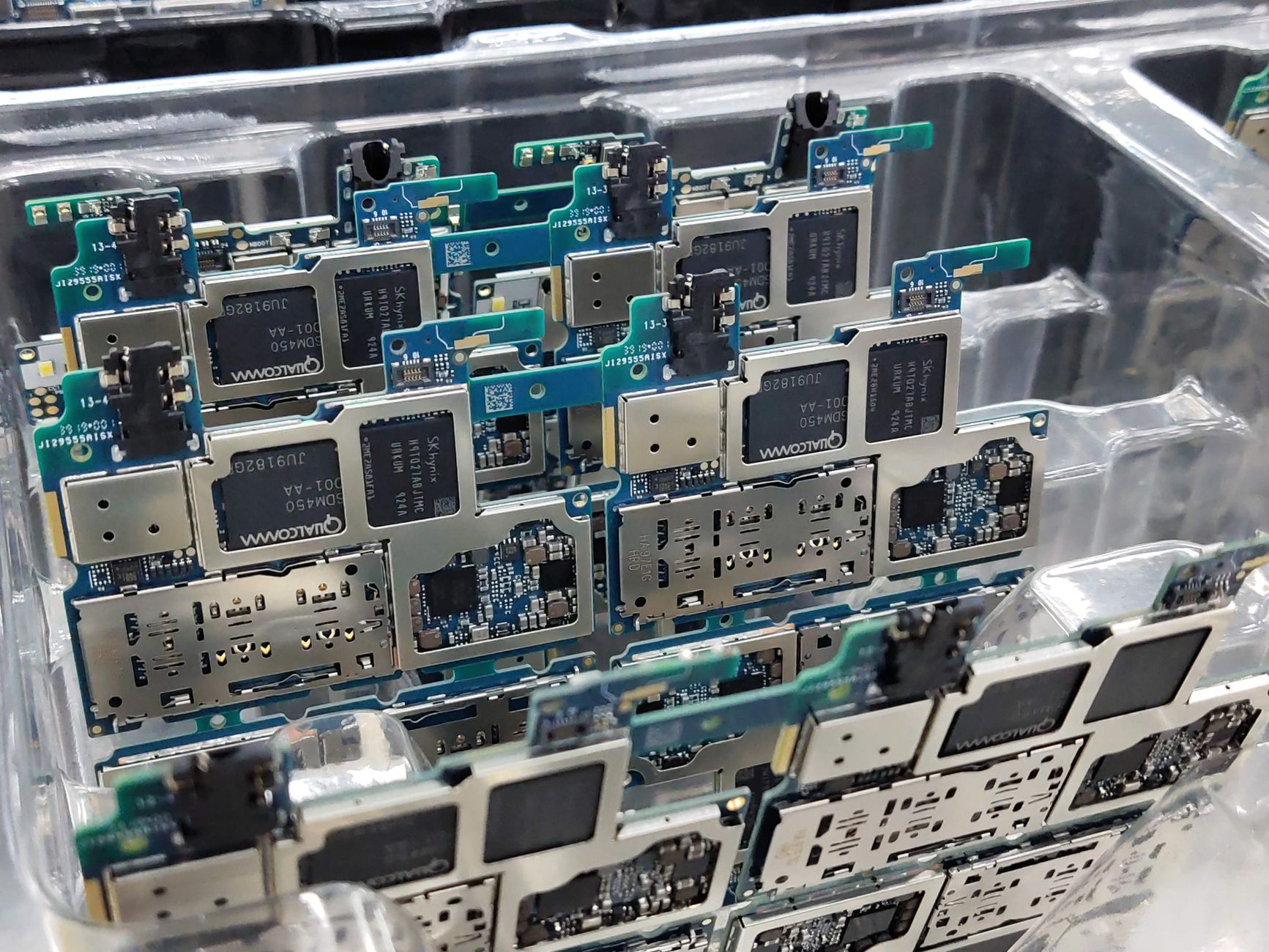
For investors tracking the AI supply chain, hynix—which supplies memory chips—has become a focal point. Analysts see the listing as a test of whether the market still prizes hardware peers that stand to benefit from AI demand, even as software names have driven much of the recent excitement.
Analyst View: Valuation, Cyclicality, and AI Upside
A number of research shops have signaled a cautious-but-constructive stance. Morningstar’s notes have flagged that the memory cycle has shown resilience but remains cyclical, with limits to upside if demand cools or supply accelerates. Still, Morningstar sees potential value in the deal as a way to access a leading asset in the Korean chip ecosystem, which some U.S. and global funds have previously found difficult to reach directly.
“The current memory upcycle appears stronger than earlier cycles, and that supports a favorable backdrop for an large-cap listing like SK Hynix,” said a senior equity analyst at a major asset manager who asked not to be named. “But the sector still moves in waves, so investors should balance near-term demand projections against long-run capacity and pricing trends.”
As for relative valuations, the conversation centers on whether hynix—which supplies memory chips—trades at a discount to its U.S. peers, which could entice funds seeking import exposure to Korean hardware amid broader market volatility.
Risks to Watch: Economic Backdrop, Pricing, and Competition
- Macro uncertainty: Interest rates, inflation, and global growth paths could weigh on IPO pricing and aftermarket demand.
- Memory-cycle sensitivity: The stock’s trajectory is tightly linked to DRAM and NAND pricing, supply dynamics, and data-center capex cycles.
- Competition: U.S. peers, notably Micron and others, could constrain margins if price competition intensifies.
- Execution risk: Timing of the offering, market volatility at launch, and regulatory approvals could affect initial trading performance.
In this environment, the memory segment’s fortunes matter more than ever for a clean read on AI hardware demand. The memory market’s balance between supply discipline and rising AI workloads will largely determine how this IPO lands with retail and institutional buyers alike.
Why It Matters for the Next Wave of IPOs
If SK Hynix can execute a successful U.S. debut, it could set a precedent for a broader slate of AI hardware and semiconductor listings seeking U.S. capital. While the tech IPO pipeline has been uneven, a well-received offering from hynix—which supplies memory chips—could open the door for other memory and storage names, as well as firms with exposure to AI accelerators and cloud infrastructure.
Investors will be weighing not just the headline size, but the use of proceeds and the company’s ability to translate memory-market strength into sustainable earnings. The debate will hinge on AI demand, the durability of the current upcycle, and how well management can align capital deployment with long-run profitability.
What This Signal Means for Investors
Beyond SK Hynix’s own performance, the IPO is a barometer for how U.S. markets price AI-enabled hardware plays amid a shifting macro backdrop. A strong debuts could embolden more supply-chain players—ranging from memory to AI accelerator hardware—to test public markets in 2026 and beyond. Conversely, a lukewarm reception could reinforce the view that investors remain selective, favoring software or AI platform plays with visible monetization paths over pure hardware bets.
Key Data Snapshot
- IPO size: ~ $28 billion via Nasdaq-listed ADRs
- Industry focus: DRAM and NAND memory (memory chips and storage)
- Listing method: American Depositary Receipts on Nasdaq
- Primary use of proceeds: Capital expenditure, research and development, and debt management

Discussion