
Breaking News: Iran-Backed Houthis Claim First Missile Strike on Israel
A new flashpoint in the Middle East reached markets and households Saturday as the iran-backed houthis claim first missile strike toward Israel. The attack, if confirmed by Israeli authorities, would mark a new escalation in a war that already has roiled global travel, energy supplies and shipping routes.
The Israeli military reported intercepting the incoming projectiles. Officials described no immediate casualties in Israel, but loud blasts and smoking sites near southern cities raised alarms across the region. The Houthis’ claim comes after weeks of cross-border strikes and shifting alliances that have kept energy prices and insurance costs elevated for months.
Analysts say this development could pull Red Sea shipping into the war’s orbit and complicate traffic through the Suez Canal, a critical artery for global trade. For families and investors, it underscores how geopolitical risks can touch everyday budgets, from fuel costs to goods prices on the shelf.
In Context: Why This Matters for Red Sea Trade and Personal Finances
The Houthis operate from Yemen with backing from Iran, and their latest statement signals a broadening of hostilities that could threaten commercial shipping lanes in the Red Sea. A disruption there often translates into higher costs for insurance, bunkering, and container shipments that reach Europe and Asia. Even a short-term pause in transit can ripple through supply chains, affecting consumer goods and crafted prices that households see in grocery aisles and electronics stores.
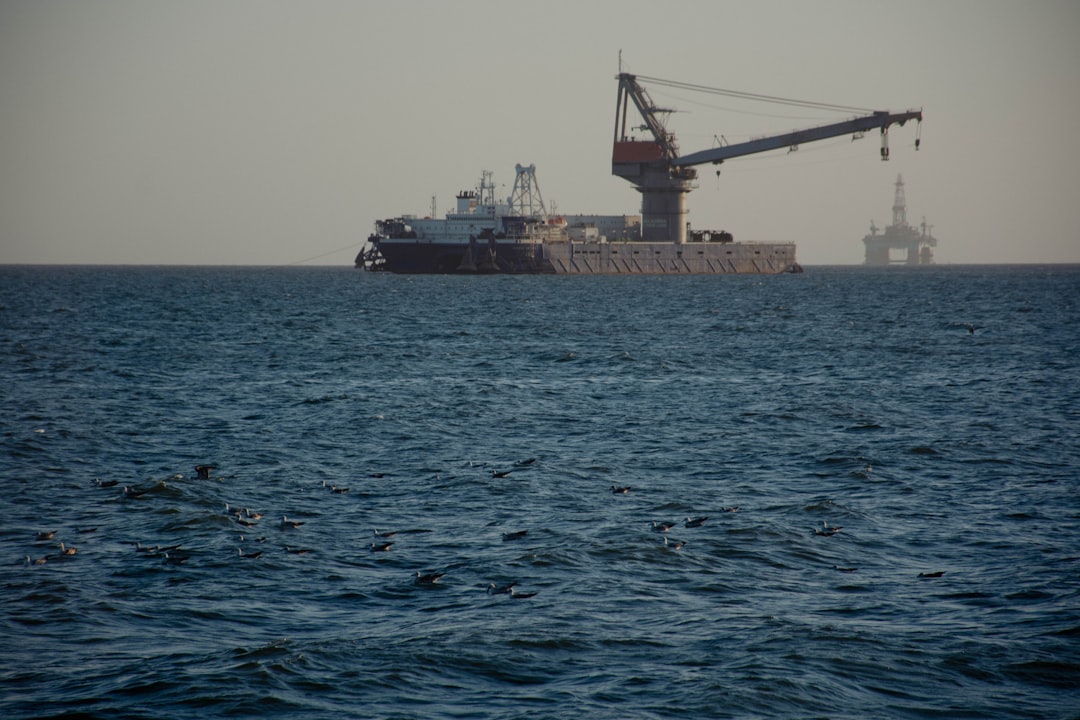
Market observers caution that any interruption to Red Sea transit could keep pressure on energy markets. The region sits near major oil and gas routes, and traders monitor naval activity, port closures, and security advisories as signals of potential price shifts. While the current escalation is not yet a blanket blockade, the risk premium for late-stage shipments and emergency routing tends to rise in these windows.
What the Markets Are Saying and What It Means for Your Wallet
In late trading, energy futures moved higher as traders priced in the possibility of tighter supply lines and longer routes for shipping goods. Financial markets tend to react quickly to even small shifts in geopolitical risk, and today’s move reflects the new front line developing in a broader regional conflict.
For households, the potential impact is multi-faceted. Higher energy costs can translate into greater fuel bills, especially for rural or commuter households. Shifts in shipping costs can filter into the prices of imported goods and consumer electronics that rely on international supply chains. And because inflation remains a concern for many economies, a sustained uptick in energy or freight costs can complicate household budgeting and savings goals.
Economic thinkers emphasize that any clash involving Iran, the Houthis, and Israel has the potential to lift the cost of risk across markets, even if actual disruption remains limited in the near term. The ripple effect could show up in airline tickets, freight charges, and the prices retailers pay to stock shelves in the months ahead.
- The Israeli military said it intercepted the missiles and there were no immediate reports of casualties in Israel.
- The Houthis publicly claimed the attack on what they described as sensitive Israeli military sites in the south, a move analysts say broadens the frontline of the war.
- Geopolitical risk has already pushed energy markets and shipping costs higher in recent weeks, with insurers warning of tighter terms for Red Sea passages.
- Observers warn that Red Sea traffic through the Suez Canal could face renewed delays if security measures tighten or if vessels alter routes to avoid risk zones.
Shippers and insurers have flagged higher security costs in the region over the past week, with brokers noting tighter terms on some routes and longer transit times as crews adjust to the heightened threat level. One veteran shipping analyst, speaking on condition of anonymity, said, 'The latest development increases the cost of doing business in an already volatile corridor, and that pressure will seep into consumer prices if it persists.'
Financial planners urge households to prepare for continued volatility rather than sudden price spikes. Key recommendations include reviewing energy budgets, building flexible savings, and ensuring emergency cash reserves cover several months of essentials if disruptions extend into peak shopping seasons.

For investors, the episode highlights why a diversified approach to energy and international exposure helps dampen single-threat risk. Even in personal portfolios, many advisers favor a blend of steady dividend payers, inflation-hedged assets, and selective exposure to resources tied to global trade and shipping.
Scenario A: If Red Sea transit remains operational but risk premiums stay elevated, markets may see a plateau in energy prices with higher insurance costs scaling gradually into freight charges. Consumers could face modestly higher fuel and goods prices but with continued access to markets.
Scenario B: If further escalation disrupts shipping, freight costs could spike, oil pathways could tighten, and retailers may pass a larger share of higher costs to consumers. In this scenario, households should brace for greater price volatility across essential goods.
Scenario C: If diplomatic channels open and humanitarian corridors resume smoothly, a quick normalization could occur, easing some of the financial pressures and stabilizing energy and shipping costs faster than expected.
- Official military briefings from Israel and regional actors as the situation evolves.
- Updates from shipping lines and port authorities on Red Sea and Suez Canal traffic.
- Energy-market signals, including benchmark prices and refinery margins, for clues on near-term costs.
- Budget and savings strategies that reflect ongoing global risk and price volatility.
The iran-backed houthis claim first missile strike toward Israel represents a meaningful shift in a war that has already disrupted travel, trade and energy markets. While immediate military outcomes remain uncertain, the financial echoes are real for households and investors who must navigate higher energy costs, potential shipping delays and longer-term inflation risk. As markets watch, families should anchor their planning in resilience—maintain liquidity, diversify income sources, and stay informed about global developments that could touch everyday expenses.

Discussion