Global aviation shifts force Southeast Asia to rethink tourism flows
The Iran conflict is upending traditional air paths, prompting Gulf carriers to suspend thousands of flights through Dubai, Doha, and Abu Dhabi. The ripple effects reach Europe and the United States as travelers face longer itineraries and higher fares on multi-hop routes en route to Southeast Asia’s beaches and temples. Industry analysts warn that the disruption could cool visitor numbers for the region’s tourism-dependent economies through 2026.
In the first quarter of 2026, major Gulf airlines signaled continued adjustments to schedules as security and insurance costs rise. The disruption has prompted U.S. and European travelers to consider longer connections in Singapore, Kuala Lumpur, or Bangkok, shifting the traditional flow of travelers who previously found direct or near-direct options into Southeast Asia.
Observers say iran cuts southeast asia’s travel corridor in ways that ripple through airline networks, hotel bookings, and local economies. "The current pattern of route redirection is not just about a few missed flights; it is about the way tourism pipelines are formed and undeformed for years to come," said Mei Chen, senior aviation analyst at Meridian Insights. "When a key hub tightens capacity, downstream markets pay the price."
What’s happening in the global air network
Emirates, Qatar Airways, and Etihad have progressively trimmed schedules tied to the Middle East corridor, citing evolving security dynamics and higher operating costs. The result is a squeeze on connecting flights for travelers aiming for Southeast Asia’s top destinations, particularly during peak travel seasons when demand is strongest.
Airlines are adjusting codeshares, rerouting partnerships, and implementing fuel surcharges to manage costs as jet fuel prices rise in response to broader geopolitical strains. The changes aren’t isolated to the Gulf; carriers across Asia-Pacific and Europe are recalibrating to preserve network connectivity while protecting profit margins.
Regional carriers are feeling the knock-on effects. Malaysia Airlines, for example, has relied on partnerships that funnel passengers from the U.S. and Europe through Doha and Dubai. When those hubs face capacity constraints, the airline’s own traffic from North America and Europe to Southeast Asia contracts accordingly.
SEA tourism at a crossroads: GDP exposure and traveler demand
Tourism remains a substantial driver of growth in Southeast Asia, with several economies placing tourism at the heart of their 2024-2026 development plans. Thailand’s tourism contribution hovered around 12% of GDP in 2024, while Cambodia’s tourism sector accounted for roughly 9.4% of its GDP. A step back in visitor arrivals can tighten consumer spending, dampen hotel and restaurant revenue, and slow the employment gains tied to travel and hospitality.

Recent data show a shift in the composition of visitors—more travelers entering via alternative hubs and longer layovers—as travelers adjust to higher fares and fewer nonstop options. The combination of higher airfare and longer travel times tends to steer discretionary spend away from discretionary experiences toward basic travel needs, which can squeeze local operators and tour providers alike.
Market observers caution that the impact may be uneven. High-demand destinations like Phuket, Chiang Mai, Bali, and Siem Reap could see shorter-term softening, while others with deeper domestic tourism legs may weather the storm better if domestic travel remains resilient and domestic air service expands.
Personal finance implications for travelers and households
For households planning Southeast Asia vacations, the current environment translates into tighter travel budgets and more careful spending. Families may face higher airfare, greater reliance on credit lines for multi-city trips, and longer wait times for favorable itineraries. Travel budgeting now often includes contingencies for rerouting, hotel room rate volatility, and unexpected stopovers.
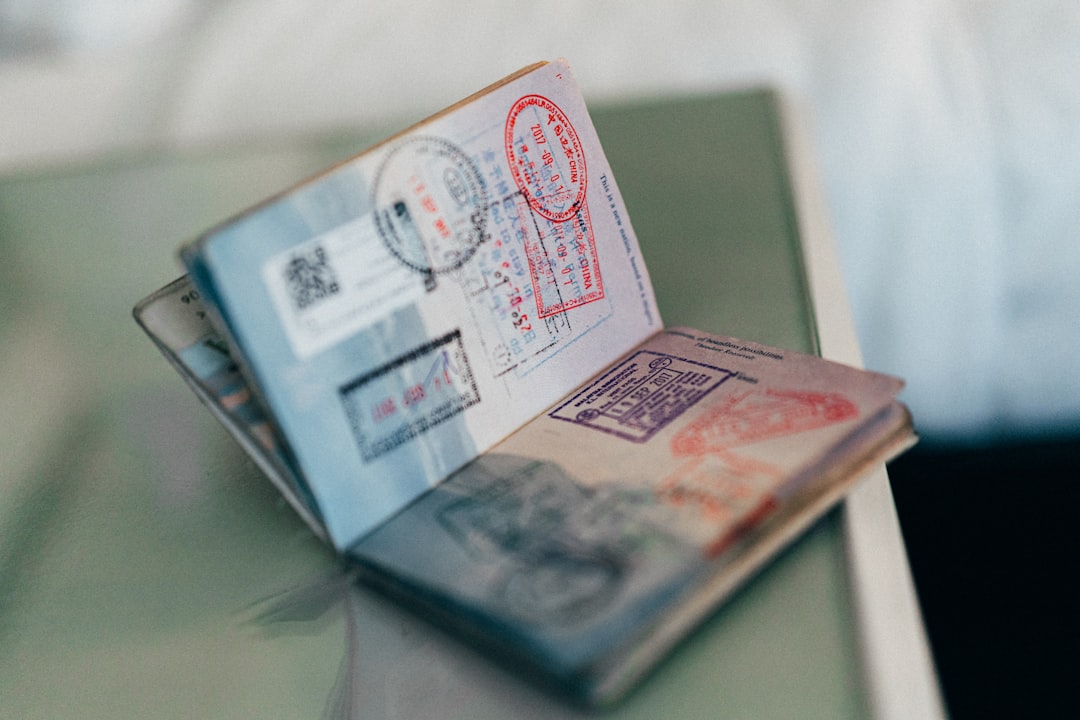
Industry data suggest that travelers who can flex dates and destinations may still find value, but the window narrows as fuel and insurance costs stay elevated. Some travelers are choosing longer, more complex itineraries that allow for time in multiple countries while keeping total costs within reason. Analysts say iran cuts southeast asia’s route disruptions could persist, reinforcing the need for flexible plans and smarter booking windows.
What airlines and governments are doing to adapt
Airlines are piloting new route plans and adjusting aircraft deployments to preserve connectivity. This includes more hops through alternative regional hubs, closer attention to codeshare alignments, and selective service to high-demand markets. Governments in Southeast Asia have signaled a willingness to support tourism by promoting visa arrangements, easing entry procedures for selective markets, and encouraging regional marketing campaigns to sustain bookings during peak periods.
- Codeshare realignments with partners in Singapore, Malaysia, and Thailand to maintain access to Europe and North America.
- Targeted promotions and visa facilitation aimed at long-haul travelers considering multiple Southeast Asian stops.
- Domestic aviation capacity remain critical, with plans to boost regional flights to keep visitor flows steady among secondary destinations.
Experts warn that if the broader air network remains constricted, it could compress a portion of the 2026 travel season. Analysts emphasize the importance of diversified routes and flexible scheduling for both airlines and tourism operators to weather a potential protracted period of disruption.
The longer-term outlook: diversification and resilience
Looking ahead, many travel professionals anticipate a shift in how Southeast Asia sources visitors. As iran cuts southeast asia’s flight connectivity further, the region could see a gradual move toward greater reliance on overland routes, regional hubs, and multi-country itineraries that spread risk. This diversification could encourage local operators to diversify product offerings—from nature-based ecotourism to cultural experiences and wellness retreats—to attract visitors who are less sensitive to route disruptions.
Economists stress the need for resilience: a combination of price discipline, targeted marketing, and investment in regional air capacity could help cushion the sector from ongoing volatility. The most resilient markets are those that can maintain steady hotel occupancy and visitor spend even as routes shift. In short, the current disruptions are a reminder that travel habits and tourism economies are tightly linked to airline networks—and to the geopolitical environment that shapes them.
Key takeaways for investors and travelers
- Expect higher airfares and more complex itineraries for Southeast Asia trips through 2026.
- Thailand and Cambodia’s tourism sectors remain significant GDP contributors, but face downside risk if routes stay constrained.
- Diversified routing and regional marketing are essential strategies for airlines and tourism operators seeking to stabilize traffic.
- Personal budgets should include contingencies for longer trips and potential price shocks tied to fuel and insurance costs.
In a world where iran cuts southeast asia’s travel corridors, travelers and businesses alike will need to adapt to evolving routes and costs. The next several quarters will test whether Southeast Asia can maintain momentum in tourism and housing growth, or whether the region’s best-laid plans will be revised once more by global geopolitics and airline decision-making.
As markets respond, buyers and sellers in the travel economy will be watching the Gulf corridor closely. A sustained tightening could prompt a broader recalibration of how Southeast Asia markets themselves on the world stage, from airport investment to marketing campaigns aimed at new source markets. The resilience of SEA tourism will hinge on flexibility, price discipline, and the continued ability to attract visitors even when the flight map shifts dramatically.
Note: This analysis references the evolving situation as of March 2026. The phrase iran cuts southeast asia’s is used to describe the ongoing impact on regional flight connectivity and tourism patterns. Industry participants recommend travelers monitor airline notices and consult multiple routes before booking, to mitigate risk and protect travel budgets.

Discussion