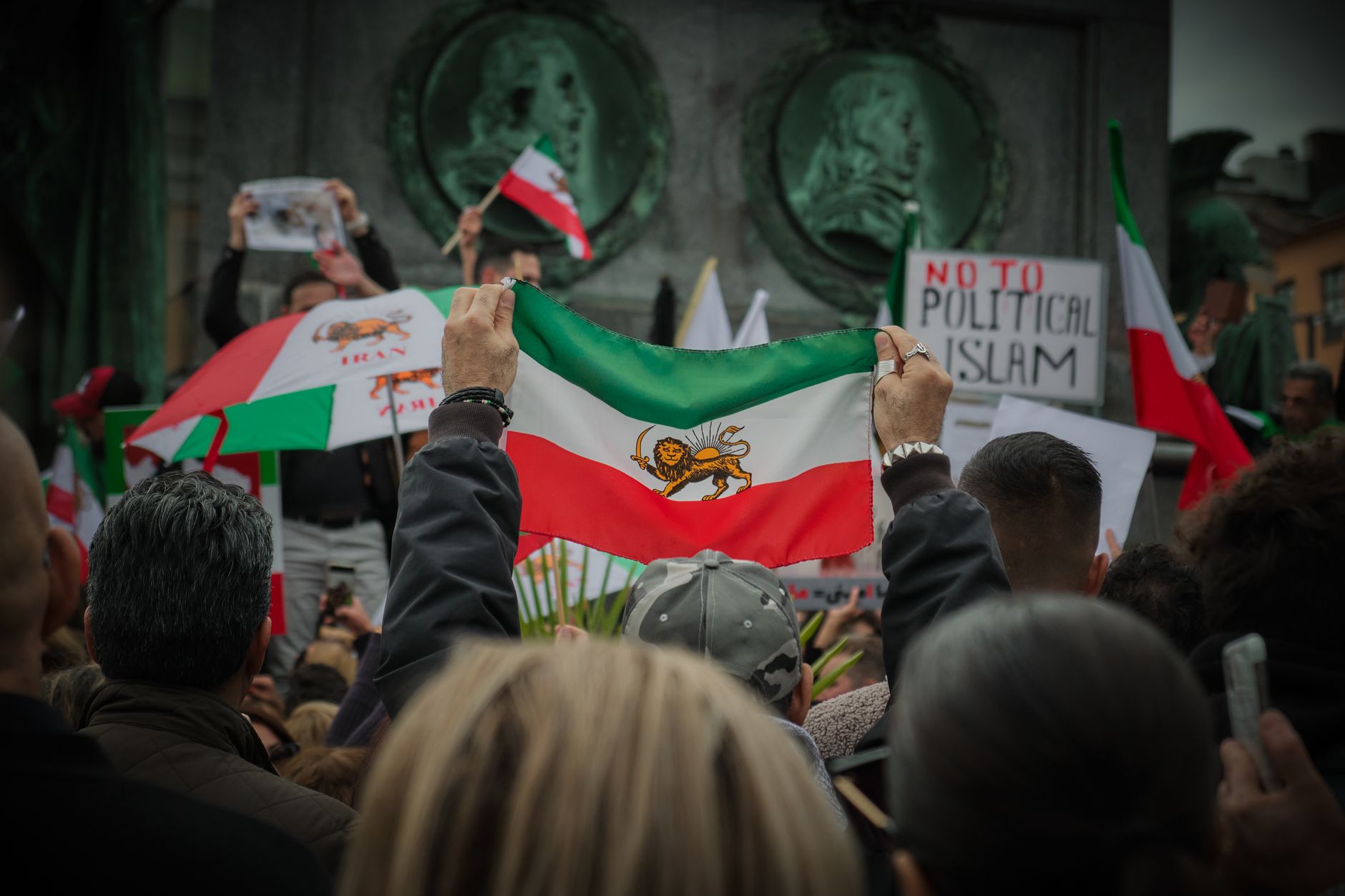
Market Moment: Iran’s Economy Under Fire
TEHRAN — Iran is weathering the aftershocks of renewed conflict and sanctions, yet its economy is sliding into a deep free fall. Inflation remains uncomfortably high, the rial is volatile, and policymakers are racing to contain a price surge that has spread to everyday staples. The IMF now sees a steep contraction for 2026 as the country grapples with war damages and a tightened external environment.
Officials acknowledge the bill: analysts say the war has layered on preexisting strains, turning a fragile recovery into a sharper downturn. For investors and everyday savers alike, the question is how long the pain lasts and what patterns of behavior will emerge as households adjust to higher costs and thinner wallets.
Ground Realities: What Daily Life Looks Like Now
A Tehran resident described the night-marred economy in blunt terms: prices have surged for most basics, leaving households to rearrange budgets and cut back on essentials. Families report dipping into savings, selling valuables, and taking second jobs just to cover rent, utilities, and food. One neighbor has even started vending sandwiches on the subway to make ends meet.
In the language of numbers, the toll is visible on pantry shelves. Cooking oil has jumped roughly 430% year over year, eggs about 345%, rice near 287%, and milk around 139%. These increases come on top of broad price pressures that have eroded purchasing power for the middle class and the poor alike.
Analysts caution that the current environment is different from earlier shocks because of wartime disruption to trade and energy revenue, alongside domestic policy choices that have limited growth channels. The result is a palpable sense of precarity in neighborhoods across major cities, where many households report dipping into last year’s financial cushions to cover basic needs.
Policy, Sanctions and the War’s Toll
The war’s direct and indirect effects are cascading through Iran’s economy. A blockade has constrained oil revenue, while foreign-exchange reserves have tightened under pressure from sanctions and export restrictions. Official estimates put the damage at hundreds of billions of dollars—roughly on par with the country’s prewar GDP—creating a burden that policy makers are still trying to bear.
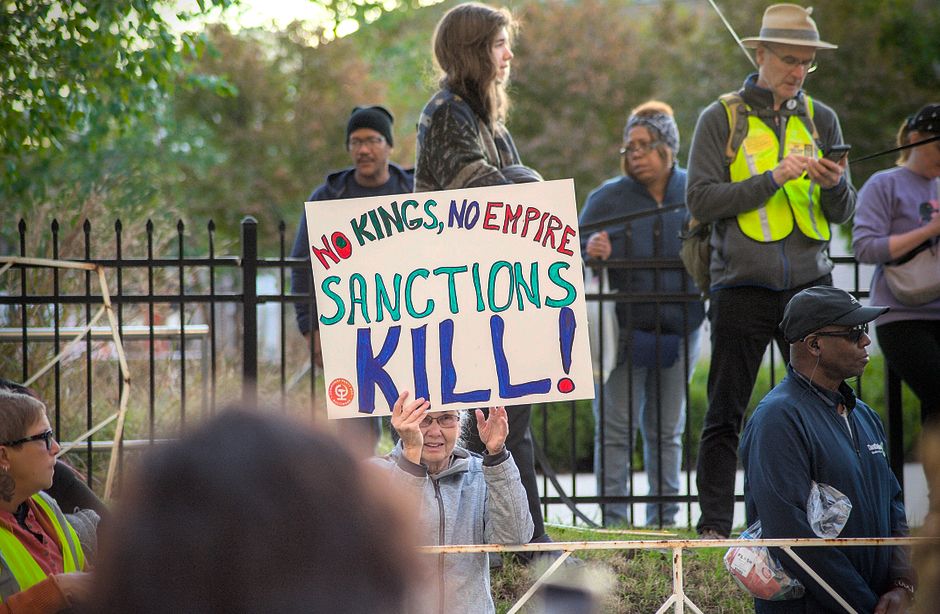
Independent economists note that wartime policies have added new frictions, including internet slowdowns and occasional shutdowns that hinder business operations and job creation. The combination of revenue loss, higher import costs, and limited trading partners has amplified the squeeze on households and small firms alike.
Analysts say that iran emerges from with a fragile social contract as the crisis deepens. The tone of public discourse suggests growing impatience with rising living costs and slow improvement in living standards, even as state resources are stretched thin by security and strategic considerations.
Key Data At A Glance
- GDP damage: roughly $270 billion, near the size of the prewar economy
- IMF projection: economy to contract about 6.1% in 2026
- UN poverty alert: up to 4.1 million more Iranians could fall below the international poverty line
- Oil revenue: constrained by sanctions and blocked flows
- Reserves: estimated to cover only about three months of imports at prewar levels
- Food-inflation highlights: cooking oil +430%, eggs +345%, rice +287%, milk +139% (year over year)
- Unemployment pressure: rising as firms cut back or shutter operations in volatile markets
As one economist put it, the country’s financial buffers are being tested not just by global shifts but by the tension between war dynamics and domestic policy choices. The net effect is a complicated mix of lower consumer expectations and tighter credit conditions for businesses seeking to hire or expand.
What This Means for Households and Markets
For households, the most immediate impact is a squeeze on everyday spending. Families report delaying or cancelling discretionary purchases, substituting cheaper foods, and relying on informal work to bridge gaps between income and expenses. The result is a shift in consumer behavior that could slow domestic demand for months to come.
On the investment side, currency volatility and elevated risk premia translate into higher borrowing costs for businesses and tighter capital access. Consumers may prioritize liquidity and short-term stability over longer-term commitments, such as mortgages or sizable consumption loans. All of this can feed a slower pace of growth even if inflation cools in some categories.
In political terms, economic hardship often raises the temperature of public sentiment. Analysts warn that if job softness and food-price pressures persist, social tensions could intensify, complicating a regime already navigating sanctions, regional risk, and public accountability concerns. Some observers warn that iran emerges from with the risk of broader unrest unless policy moves align with household needs and market signals.
Outlook and Risks: Scenarios to Watch
The near-term path hinges on two big levers: external support and policy calibration. If sanctions relief or relief-like terms emerge, and if policy authorities implement targeted subsidy reforms and predictable price signals, conditions could stabilize somewhat. Without that, the risk of a protracted slowdown grows, alongside the chance of social discontent translating into demonstrations or labor unrest.
Foreign exchange markets will remain a barometer of confidence. Continued volatility could further raise borrowing costs for small businesses and landlords, dampening hiring and investments. Conversely, a credible stabilization plan and disciplined macro governance could help shore up confidence and slow the erosion of household wealth.
Analysts warn that iran emerges from with a fragile equilibrium: the balance between preserving state capacity and enabling private-sector resilience will determine whether the current downturn becomes a short, sharp shock or a longer, structural drag.
Bottom Line: What Matters Now
What matters next is policy clarity, external support, and the ease with which households can digest continued price movements. For families, the most meaningful indicators will be changes in food inflation, wage growth relative to living costs, and the stability of essential services like electricity and heating. For investors and traders, the focus will be on reserve adequacy, trade flows, and government commitments to fiscal and monetary discipline.
Observers reiterate the warning that iran emerges from with a risk profile that depends not just on the trajectory of the conflict but on how quickly policy responses align with the lived realities of millions who are navigating higher prices and thinner savings. If the regime fails to adapt, the likelihood of broader social strain grows, creating a critical crossroads for Iran’s economy and its people.



Discussion