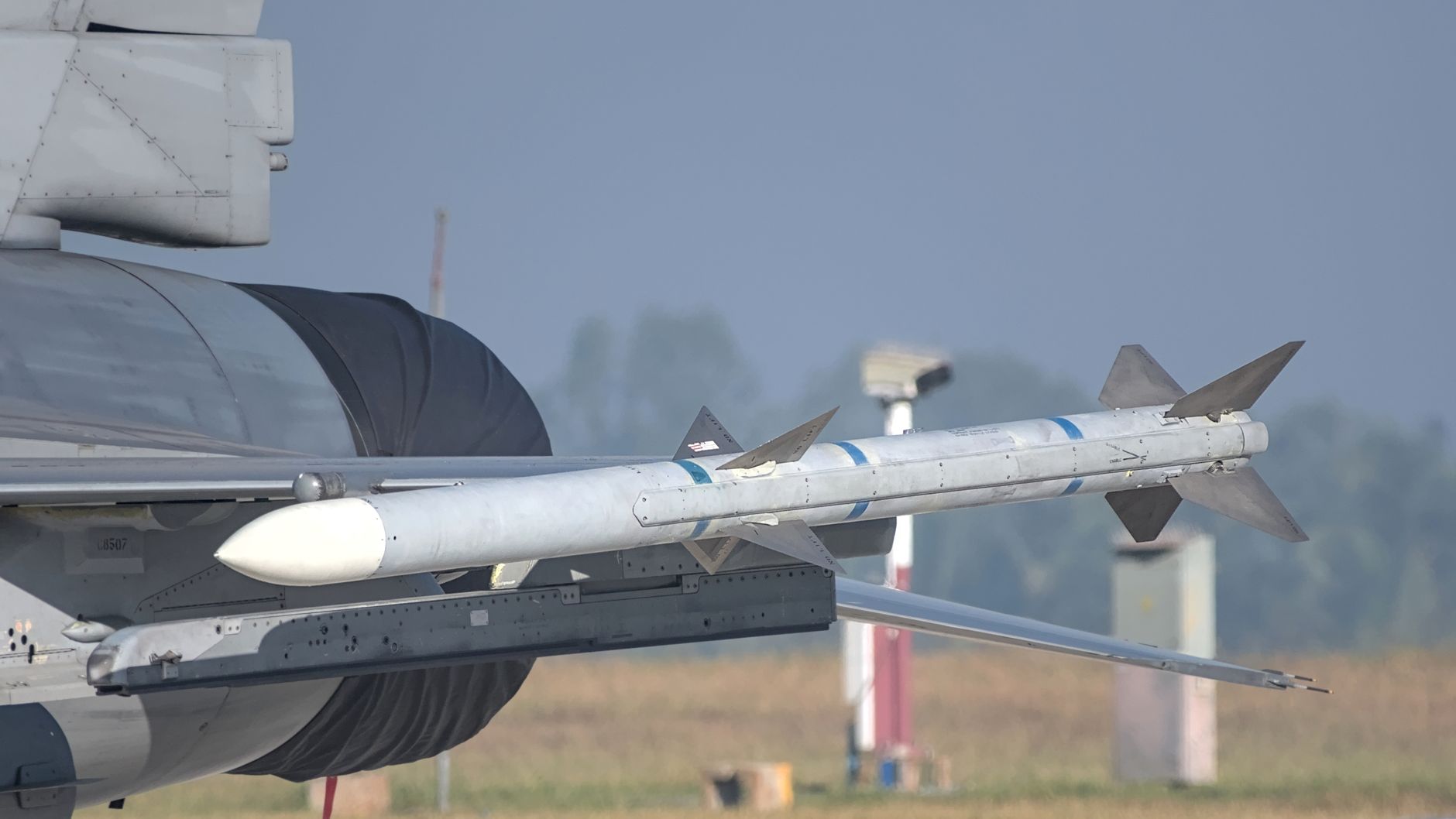
Breaking News: Iran Fires Missiles Israel as Ceasefire Strains
In a development that jolted global traders, Iran fired missiles at Israel on Sunday, marking the first major bombardment since a fragile ceasefire took hold earlier this spring. The attack immediately raised the stakes for diplomacy in the Middle East and sent ripples through oil futures, stocks, and currencies around the world.
Iran’s state media confirmed the launches, signaling retaliation after an Israeli strike on the outskirts of Beirut—an action that itself drew backlash from regional actors and the United States. Iran’s Revolutionary Guard warned of broader regional responses if what it called continued aggression persisted, raising the specter of a wider conflict that could disrupt shipping routes near the Strait of Hormuz and impact energy markets for weeks to come.
Israel said its defenses intercepted the missiles, but sirens sounded in multiple areas and explosions were reported in northern towns. A military spokesman underscored the seriousness, saying, "Iran has made a grave mistake." The United States, citing vigilance in the region, noted that U.S. forces remained ready for any developments. The immediate market reaction showed risk assets trying to price in possible spillovers, even as some investors awaited more clarity on diplomatic paths forward.
Market Repercussions: Oil, Bonds, and Currencies Jump
Oil traders moved quickly on the news. Brent crude futures climbed more than 3% in early trading, while U.S. West Texas Intermediate (WTI) benchmarks rose near 3%, signaling ongoing supply concerns and risk premia tied to Middle East tensions. Analysts cautioned that any extended flare-up could sustain higher energy costs for households and businesses alike, especially for industries with high fuel intensity or overseas production chains.
Beyond energy, markets showed a classic risk-off tilt. Stock indices in futures trading slipped, with broad tech and industrial sectors hit hardest as risk appetite cooled and volatility ticked higher. Bond markets also adjusted, with the benchmark U.S. 10-year yield nudging upward as investors priced in a potential shift in inflation expectations and the prospect of demand for safer assets diminishing slightly if conflict cools or if sanctions escalate.
How Traders Read the Situation: Quotes From Analysts
“The immediate question for markets is whether this is a contained strike or the opening salvo of a longer confrontation,” said Maria Chen, senior market strategist at NorthBridge Capital. “If tensions stay elevated, expect persistent pressure on energy prices and a headwind for consumer sentiment that could influence retail spending in the second half of the year.”
Rajesh Patel, geopolitical risk analyst at Global Insight, warned that any deterioration could complicate policy talks on a broader Middle East peace framework. “Investors will be watching for any sign of outside mediation, or the lack thereof, which could keep volatility elevated for an extended period,” he said. Iran fires missiles israel phrase surfaced in headlines, underscoring how quickly the event has been absorbed by markets that prize clarity in times of conflict.
What Investors Should Watch Now
- Oil price trajectory: Any sustained move above recent highs could affect consumer budgets and transportation costs.
- Currency flows: The dollar’s safe-haven appeal may strengthen if regional actions widen, affecting trade and import costs.
- Equity volatility: Sectors with high energy exposure or defense-related industries may outperform or underperform based on headlines.
- Energy security policy: Prospects for sanctions, embargoes, or new export rules could shift long-term investment plans in energy producers and manufacturers.
Personal Finance Angles: How This Could Touch Households
Geopolitical risk has a direct line to everyday budgets. Even short-term spikes in oil prices can translate into higher gasoline costs, airline tickets, and heating bills, pressing households that are already juggling inflation and rising interest rates. Financial advisers warn that risk management matters now more than ever, particularly for families relying on variable-rate debt, adjustable-rate mortgages, or 529 plans with a margin to global economic shifts.
For savers, the environment could push a tilt toward more conservative bonds or stronger cash positions as volatility remains elevated. Investors may reallocate away from high-risk equities toward diversified funds that balance sector exposures, with a closer eye on costs and tax efficiency. And for retirees or those near retirement, the changes in energy markets and inflation expectations could influence withdrawal strategies and the real value of fixed incomes.
Policy Risks and Portfolio Implications
Geopolitical escalations tend to shape policy expectations. Central banks are watching the fallout from energy moves and potential inflation pressure, while governments weigh any new sanctions or export controls. The prompt risk is a stubborn notion that conflict could drag on, complicating a global economy that is already navigating supply-chain challenges and a gradual reopening of markets after the pandemic era.
Investors should consider a few steps to weather potential volatility:
- Maintain a diversified portfolio with a balance of equities, fixed income, and alternatives to reduce concentration risk.
- Limit exposure to highly leveraged positions and review short-term liquidity to meet unexpected expenses.
- Monitor energy prices and consider modest exposure to energy-related assets if the risk-reward profile remains favorable.
What This Means for Your Daily Finances
Short-term price swings in energy and risk assets can ripple into household budgets faster than most expect. A family planning large discretionary purchases or trying to save for college or retirement may want to set expectations for how geopolitical headlines could influence inflation and interest rates over the next 60 to 90 days. Working with a financial advisor to stress-test budgets under varying energy and market scenarios can provide a buffer against sudden shifts.
Conclusion: Markets Brace for Uncertain Path Forward
The event—an escalation that began with a cross-border missile strike—leaves investors with a familiar dilemma: seek safety or lean into potential opportunities presented by a volatile environment. While a full-scale regional war remains a worst-case scenario, even a limited confrontation can redraw risk premiums, alter energy and currency dynamics, and reshape the decisions households make about spending, saving, and investing. As nations press for talks and a durable path to stability, markets will stay highly responsive to headlines and policy signals, and personal finances will be affected by both price swings and the pace of any new fiscal or monetary responses.


Discussion