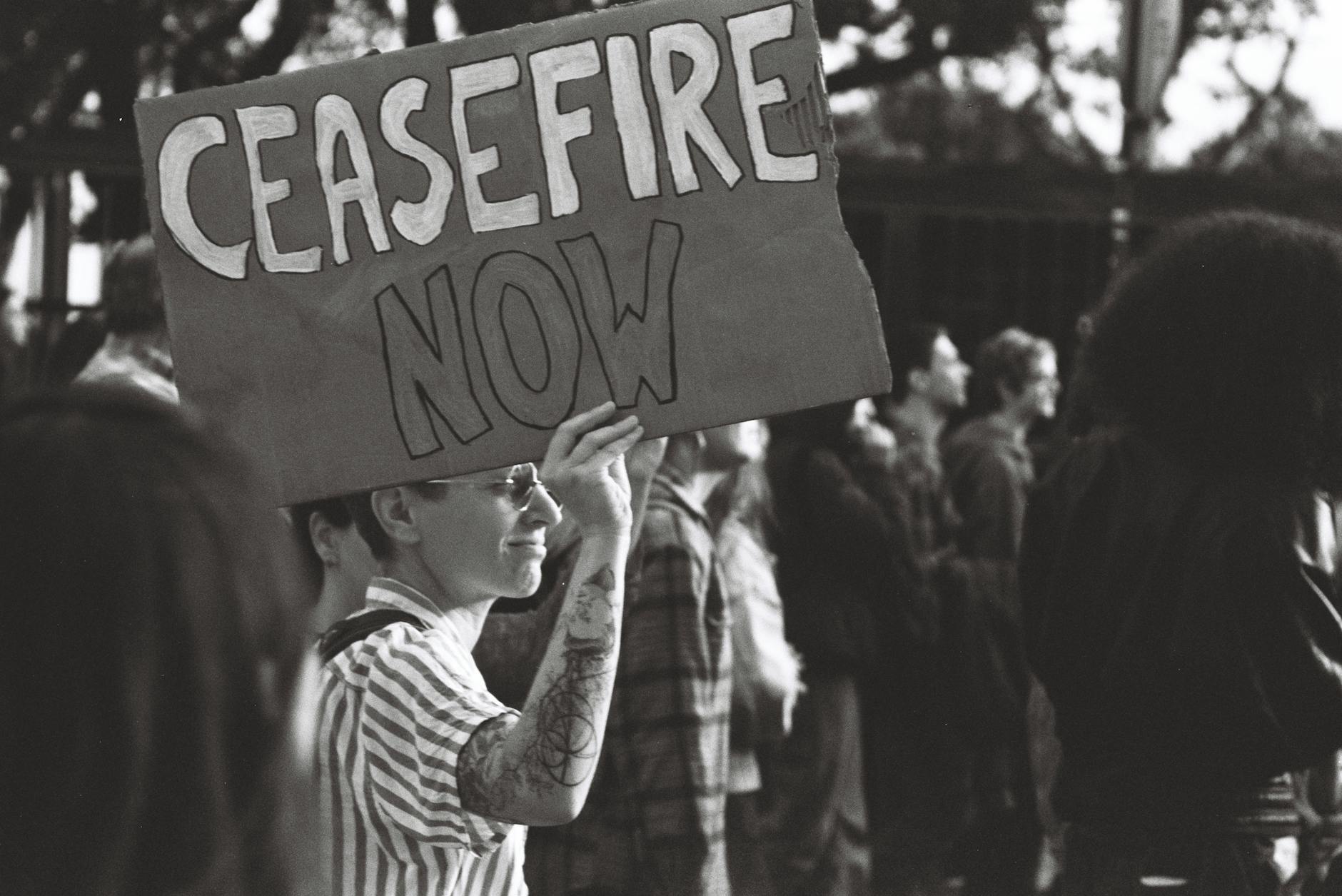
Iran Responds U.S. Ceasefire Push With Demand for Permanent End to War
In a development that could reshape energy markets and investor nerves, Iran responded to the latest U.S. ceasefire proposal through Pakistani mediators, insisting that any talks must aim to permanently end the war on every front. State media in Tehran said the reply centers on a long‑term peace rather than short‑term truces, a stance that could prolong volatility in oil, shipping, and risk assets.
According to Iran’s state broadcaster, officials argued that a durable settlement must address conflicts in Lebanon and the broader region, while also guaranteeing secure passage through critical shipping lanes. The broadcast noted that Washington’s proposal largely tied a lasting deal to the reopening of the Strait of Hormuz and a rollback of Iran’s nuclear program — a package Tehran signaled it prefers to discuss after a broader agreement on conflict resolution.
White House officials had not offered a formal comment on Iran’s reply by Sunday evening, but U.S. diplomats have repeatedly framed the talks as an off-ramp from escalating tensions. In remarks to a national audience, a top U.S. ambassador stressed diplomacy as the preferred path, while underscoring that a comprehensive agreement must address security and regional stability.
As the reply was disseminated, the region’s ceasefire held unevenly. A drone reportedly triggered a small fire on a vessel near Qatar, and UAE and Kuwait airspace saw drone incursions, each stoking fears of wider spillovers. The Qatari Foreign Ministry called the incident dangerous and unacceptable, warning that it could threaten maritime trade and regional security. There were no immediate casualties or claims of responsibility.
In Tehran, officials signaled a readiness to defend nuclear infrastructure if needed, a message that has historically complicated talks with Western powers. The broader context remains a fragile pause in fighting across multiple fronts, with Iran and allied groups responsible for a substantial portion of drone strikes since the war began earlier this year.
What Iran Wants in This Round
Iran’s response lays out a clear preference for a permanent end to hostilities over incremental deals. State media quoted officials as saying the focus should extend beyond a single corridor settlement to a comprehensive, long‑lasting peace that ends conflict across all theaters of operation, including regional proxies.
- Permanent end to the war on all fronts, not just limited truces
- Security guarantees for critical shipping routes, especially Hormuz
- Conditional engagement on nuclear negotiations, with a broader peace framework prioritized
Analysts note that while Tehran left room for dialogue on the nuclear file, it signaled that a durable political settlement could require concessions beyond what has been tabled in prior U.S. proposals. The language mirrors a pattern in which Iran links regional security and economic relief to a broader peace agreement rather than a piecemeal settlement.
Market Implications: How Investors Read the Iran Responds U.S. Ceasefire News
Financial markets were quick to price in continued geopolitical risk. Oil traders, shipping insurers, and risk assets moved to calibrate a new baseline for a longer, more uncertain negotiating horizon. Here is what the latest developments could mean for your portfolio.
- Oil prices and energy equities: Brent futures hovered near the low to mid‑80s per barrel range early in the week, up about 2% from a week prior as market nervosity rose around potential supply disruptions.
- Shipping and insurance costs: Freight rates and war‑risk insurance for tankers operating near Hormuz have ticked higher, tightening already tight margins for some operators and dragging on bottom lines for transport chains.
- Regional risk premium: A broad measure of geopolitical risk rose on the news, nudging credit spreads in some energy and infrastructure names wider by a few basis points in thin liquidity conditions.
For personal finance and investors, the headline iran responds u.s. ceasefire underscores a key lesson: geopolitical risk remains a meaningful driver of energy prices and market volatility. More quantifiably, a durable peace would ease energy risk premia and could help stabilize transport costs. Conversely, a protracted stalemate tends to keep volatility elevated and could sustain premium demand for hedges like energy stocks, commodities, and inflation‑linked securities.
What the Numbers Are Saying
Markets are quantifying the risk with a few concrete indicators. As sanctions and maritime security considerations stay at the fore, several data points help frame the potential impact of the iran responds u.s. ceasefire development:
- Oil benchmarks: Brent crude traded near the mid‑80s per barrel as investors weighed the risk of supply disruptions against potential diplomatic breakthroughs.
- Shipping risk: Insurance costs for tankers passing Hormuz have edged higher, reflecting persistent risk despite the ceasefire pause.
- Regional liquidity: Banks and insurers in the Persian Gulf region have tightened underwriting standards for energy shipments, reflecting elevated risk premiums.
- Equity reaction: Energy and defense stocks saw mixed moves, with some players benefiting from safe‑haven demand while others priced in a slower path to a broad peace settlement.
Economists say the most important outcome is clarity on a durable peace, which would lower risk premia and support more predictable energy prices and shipping costs. Until then, traders will price in a range of scenarios, with the iran responds u.s. ceasefire dynamic acting as a primary risk variable in global markets.
What to Watch Next
- Upcoming mediation talks: Pakistan and other regional actors are expected to report on progress or stalling points in the coming days.
- U.S. diplomacy posture: Washington’s leverage and assurances on security guarantees for shipping lanes will be critical in shaping Iran’s response.
- Oil and shipping outlook: Any credible signals of a durable peace could shave back risk premiums, while renewed fighting would push them higher.
For everyday investors, the practical takeaway is to monitor energy exposure and geopolitical risk indicators. If the iran responds u.s. ceasefire signals progress toward a permanent end, portfolios may shift toward more cyclically sensitive assets and lower hedging costs. If the talks stall, expect continued volatility in commodities, currencies, and credit markets.
Bottom Line for Personal Finances
The latest exchange — reflected in the topic of iran responds u.s. ceasefire — reminds markets that geopolitical risk remains a living factor in the price of oil, the cost of shipping, and the mood of risk assets. Diversification, disciplined risk budgets, and a clear plan for hedges can help investors navigate possible swings as diplomacy plays out on regional and global stages.


Discussion