
Wallets Feel the Weight of the Iran Conflict
The latest economic read on the Iran war shows a grim front line in American living rooms: roughly $1,000 per household already spent, a conservative estimate that economists say could grow if tensions flare again. The number captures direct fuel costs plus a cascade of price pressures across travel, goods, and services. While ceasefire discussions have started to ease some tensions, the bill keeps climbing for households that rely on cars, trucks, and air travel every day.
Mark Zandi, chief economist at Moody’s Analytics, has repeatedly highlighted the household impact, arguing in public forums that the cost is real and rising. His team’s projections stress that what matters most now is how long the tensions persist and how quickly shipping, energy, and inflation channels respond to any durable peace. It’s a dynamic you can feel in the price signs at the pump and in grocery aisles across the country.
Why the Price Tag Keeps Growing
Three factors help explain why the bill still grows, even as the fighting pauses and talks resume:
- Fuel markets react quickly to supply disruptions, keeping gasoline and diesel costs elevated for households that commute, shop, and travel.
- Rising fuel costs ripple through airlines, trucking, and agriculture, lifting fares and freight charges that end up in consumer prices.
- Global oil markets have a long memory for risk, so even modest headlines can nudge futures and spot prices, shaping everyday expenses.
Economists caution that the direct line from war to wallet is not perfectly linear, but the pattern is clear: energy costs feed broader inflation, and households feel it first when they fill up and fly out for work or family obligations.
Gas, Prices, and the Real-World Toll
Gas prices have come off some of the immediate spikes sparked by supply disruptions around the Strait of Hormuz, but the national average remains stubbornly high. The latest readings show gasoline averaging around $3.84 per gallon, up about 23% from a year ago. That level sits near multi-year highs and continues to press families who drive to work, take kids to school, or run errands daily.
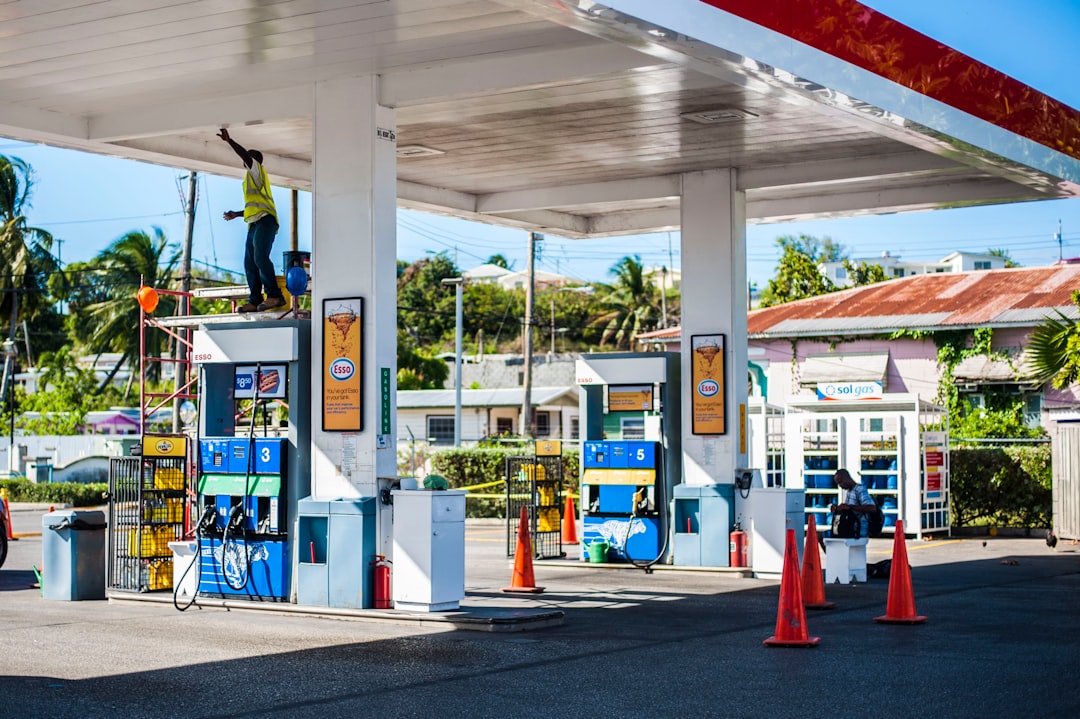
On the surface, oil markets have steadied as ceasefire talks gather momentum, and crude prices have drifted back toward pre-conflict levels. Yet the behavioral and logistical costs linger. Diesel, the fuel that powers freight and farming, has shown even sharper price movement, magnifying costs for supermarkets, manufacturers, and delivery networks. The result is a broad push higher in everyday costs that households must absorb or pass along through prices at checkout and during travel.
Breaking out the numbers, about $300 of the $1,000 estimate is tied to higher gasoline costs projected to persist through the next several quarters. The remainder reflects indirect effects: airline tickets, trucking charges, and the increased cost of goods and services produced and moved by diesel-powered equipment. It’s fair to say that the war’s price tag travels beyond the pump and into the price tag on almost everything bought and sold in the economy.
Spillover Effects: Travel, Trucking, and Groceries
The ripple effects are easy to miss in daily headlines but obvious in household budgets. Airlines have raised fares in response to higher fuel costs and fuel hedging pressures, nudging air travel costs higher for both business and leisure trips. For families planning trips, the incremental cost adds up quickly over a year.
- Airfare and related travel costs have climbed, adding roughly $100 to the annual outlay per household that relies on flights for business or family visits.
- Diesel-driven freight and farming operations face tighter margins and higher operating costs, contributing to elevated grocery prices and supplies on shelves.
- Every dollar spent on shippers and trucks translates into higher prices at stores, restaurants, and service industries that depend on timely deliveries.
In other words, the war’s economic fallout is not limited to energy markets. It reshapes the prices consumers see every time they fill a tank, hitch a ride, or stock a pantry.
What the Ceasefire Could Mean for Your Budget
Ceasefire talks have introduced a glimmer of relief in energy markets, with the sense that volatility could ease if a durable agreement is reached on shipping lanes and security guarantees. That said, a peace accord does not immediately erase the cost burden built up over months of conflict. For households, the critical question is how quickly supply chains normalize and how quickly energy markets stop treating any headline as a risk signal.
Analysts emphasize that the near-term path depends on two streams: whether oil prices stay anchored near pre-war levels and whether transport networks, ports, and distribution hubs can unwind the higher operating costs that have accumulated. Until both streams show clear relief, the dollar impact on households is likely to persist, with personal budgets still feeling the per-gallon bite at the pump and the checkout counter.
It’s Fair Whether Worth: The Core Question for Households
Some observers are elevating a recurring question in the policy debate: it’s fair whether worth the risk and expense of pursuing a long-running conflict. The calculus is not just about energy costs; it’s about how the war reshapes financial security, savings, and long-term planning for households. The $1,000-per-household estimate is a starting point, but the actual figure could be higher if commerce lines tighten or if consumer confidence sags amid renewed tensions.
For the typical American family, the implication is simple: even with a ceasefire, the economy will bear scars in the form of higher gasoline bills, costlier travel, and pricier goods. The question of whether those costs are justified by strategic gains remains a political and moral debate as much as an economic one. Yet in practical terms, the budgetary math is not optional—families must adjust to a new norm where energy and transport costs are a persistent line item.
What to Watch Next
- Oil and gas price trajectories as talks progress or falter; any renewed disruption could reflate pump prices quickly.
- Shipping and logistics costs as Hormuz traffic stabilizes or experiences new frictions.
- Inflation indicators and consumer sentiment, which will determine how households offset higher bills through spending or savings adjustments.
The key takeaway for Americans is that the war’s price tag lives in the everyday, not just in the headlines. It’s a reminder that geopolitical risk can show up at the gas station, on airline fare invoices, and in the budgets families craft to manage grocery runs and commuting costs.
Bottom Line: A Cost That Is Real, If Not Fixed
The Iran conflict has etched a meaningful line through the personal finances of millions. While policymakers pursue a ceasefire and ways to safeguard shipping lanes, households must plan for a period of continued cost pressures. The question of whether the price tag is fair or worth the effort remains a mix of policy judgment and personal finance reality—as families navigate higher gas bills, leaner travel budgets, and slower-moving supply chains in a world where geopolitical risk still looms.


Discussion