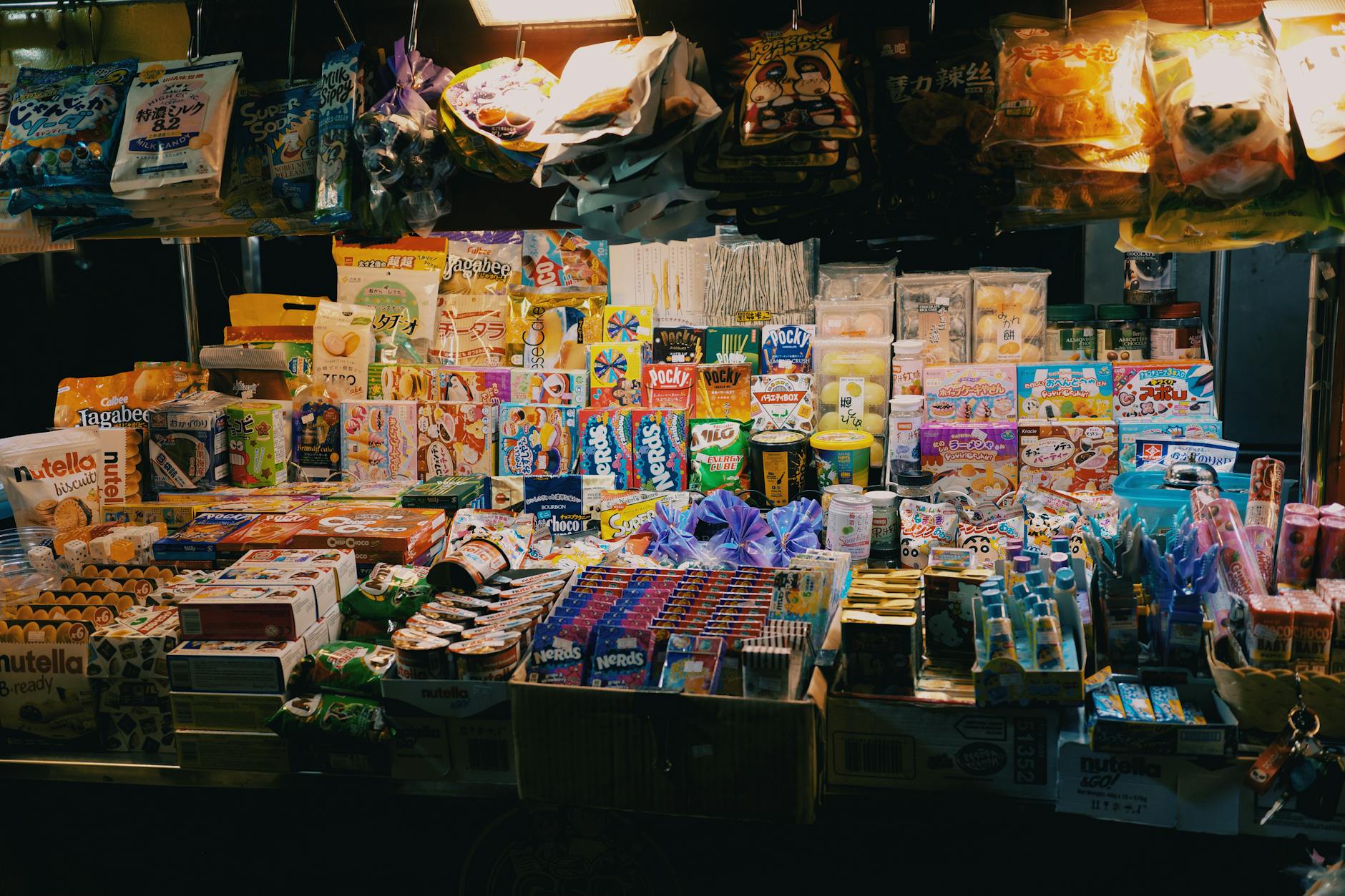
Breaking News: japanese snack giant resorts to monochrome packaging as ink shortages bite
The japanese snack giant resorts to monochrome packaging for a subset of products after ink suppliers flagged disruption tied to ongoing tensions in the Middle East. Calbee, the largest snack maker in Japan, announced that select potato chips, Kappa Ebisen shrimp-flavored snacks, and Frugra fruit-and-granola mixes would shift to black-and-white packaging to maintain shelves and avoid temporary shortages.
The company stressed that the flavors and overall product quality would remain unchanged, with the change limited to the packaging design. Management framed the move as a precautionary step to protect supply chains rather than an indicator of deteriorating demand or long-term branding strategy.
“We are prioritizing continuity for our customers and trading partners,” said a Calbee spokesman. “The adjustment to monochrome packaging is a targeted, temporary measure to ensure stable delivery without compromising product safety or taste.”
Why color is changing, not flavor
The shift to black-and-white packaging centers on ink and solvent availability used in packaging printing. The industry has faced tighter supply for certain raw materials as markets react to regional conflicts and sanctions dynamics in the Middle East. While the foods themselves will stay the same, the visual design will no longer rely on color inks for the affected SKUs.
Calbee reported that the cost of procuring printing inks and related solvents has risen and that delays in shipments could translate to product shortages if not managed carefully. The company emphasized that the objective is to preserve supply continuity for households and retailers across Japan, and to avoid any disruptive stop-orders on popular items.
In Tokyo, analysts cited the broader macro backdrop as a complicating factor. The Iran-related tensions have intensified recently, even as a fragile ceasefire holds at times. The impact on energy markets, freight routes, and commodity access has reverberated through consumer-packaging supply chains, complicating the procurement of specialized inks and solvents used in mass packaging runs.
What changes for consumers and markets
For shoppers, the packaging switch is designed to be seamless: product sizes, flavors, and nutrition information will remain intact; only the color palette will change. Calbee warned that some retailers might notice temporary delays as the monochrome runs are integrated into existing production schedules.
From an investor perspective, the move signals a proactive liquidity and supply-risk management approach. Instead of waiting for color inks to become reliably available again, the firm is de-risking its production line to prevent gaps in distribution—an approach that could help shield margins during volatile times in global commodity markets.
Key data at a glance
- Market position: Calbee accounts for about half of Japan’s snacks market, with a growing footprint in the United States.
- Affected products: Potato chips, Kappa Ebisen shrimp snacks, and Frugra fruit-and-granola mix.
- Packaging change date: May 25, with the monochrome design applied to select SKUs.
- Rationale: Supply instability in raw materials used for printing inks amid ongoing tensions in the Middle East.
- Raw-material backdrop: Japan imports more than 60% of its naphtha; about 70% of that comes from the Middle East, a key driver of packaging-supply risk.
- Government signal: Officials say there are no immediate reports of critical supply problems, but executives remain vigilant about the risk of wider disruptions.
How the supply chain is adapting
Industry observers note that the naphtha constraint—an essential feedstock for plastics used in packaging and for certain ink solvents—has become a focal point for manufacturers today. Japan’s appetite for naphtha is large, and the Middle East remains a dominant supplier in normal times. A temporary lurch in this supply chain could force more manufacturers to rethink packaging formats, color usage, and even the materials chosen for outer bags and inner liners.
Calbee’s leadership emphasized that the packaging change is designed to minimize disruption to consumers while balancing the higher costs and longer lead times that come with alternative packaging supplies. The company has engaged with multiple suppliers to diversify ink and solvent sources and to ensure continued access to essential materials.
What the company is watching next
The management team said it would monitor ink availability and any shifts in carton or film prices that could affect overall costs. They also stressed ongoing collaboration with retailers and distributors to synchronize production with demand—and to avoid overstocking or stockouts as switching runs take place.
Beyond packaging, Calbee is navigating a broader environment of cost pressures, including energy prices and logistics costs, which can flow into consumer pricing. While the color change is unlikely to impact taste or nutrition, any revenue pressure from packaging delays could influence quarterly results if the situation persists into the next reporting period.
Market and macro context: why this matters for personal finance
For households, the episode underscores how geopolitical frictions around crude oil and refineries can ripple into everyday goods—even snacks. The costs tied to ink, plastics, and freight can push up the per-unit cost of packaging, which can, in turn, influence retail prices and grocery budgets.

From a personal-finance lens, this type of supply-chain event highlights several takeaways:
- Resilience matters: Companies that diversify suppliers for critical inputs may better weather disruptions, helping families avoid sudden price swings.
- Packaging decisions can affect costs: Even changes that seem cosmetic—like color choices in bags—can ripple into margins and, eventually, consumer prices.
- Global tensions influence everyday goods: The chain from a regional conflict to a bag on a grocery shelf is long, but it is real and measurable in 2026 markets.
What this means for today’s investors and readers
Investors watching consumer staples and Asian markets should note that supply-chain adaptations—such as monochrome packaging—are part of a broader strategy to maintain stability during periods of volatility. As the situation evolves, analysts will be watching for any guidance on cost management, potential changes in packaging materials, and the timing of a return to colored packaging if ink and solvent supplies normalise.
The japanese snack giant resorts to a monochrome packaging strategy, a move that may become a case study in supply-chain risk management for consumer brands facing geopolitical headwinds. If ink and raw-material markets stabilise in coming months, teams will likely revert to color printing; if not, additional packaging innovations could emerge as a longer-term asset protection measure.
Bottom line
The decision by Calbee to shift select packaging to black-and-white is a calculated risk-management step designed to prevent stockouts and preserve customer trust in a turbulent moment. The move illustrates how geopolitics can directly impact what ends up in your grocery bag, even when taste and quality remain unchanged.
As the situation in the Middle East continues to unfold, the japanese snack giant resorts to practical packaging adjustments to protect its supply chain. The question for investors and consumers alike is whether these measures will be temporary fixes or preludes to a broader shift in how consumer brands manage materials, costs, and color in a world where global tensions linger.

Discussion