Introduction: A High-Value Purchase That Sparks Real-World Money Lessons
Every once in a while, a headline pair of numbers catches the eye: a storied vintage vehicle, a hefty asking price, and a public figure making the purchase. While celebrities often splurge in ways that aren’t typical for most households, the underlying questions are universal: how should we think about big-ticket items, what do ownership costs actually look like, and is there a smart way to budget for a luxury purchase without derailing long-term goals? In this piece we explore a high-value scenario—a $285,000 vintage Ford Bronco purchase—and translate it into practical personal-finance guidance that applies to real life, not just Instagram captions.
Why a $285,000 Vintage Vehicle Moves the Finance Conversation
Tapping into a restored, highly photographed classic can feel glamorous, yet it raises substantive financial questions. The sticker price of $285,000 is more than most people spend on cars in a lifetime. The decision prompts readers to consider: what does it take to justify a purchase like this, and how should such a decision fit into a broader budget and investment plan?
In this scenario, the focus is not simply on the thrill of ownership but on the accessible framework it provides for evaluating any major purchase. You can apply this framework whether you’re eyeing a vintage Bronco, a luxury SUV, or a rare collector’s item. The goal is a thoughtful blend of desire, value, risk, and financial discipline.
Key Takeaways for Every Budget
- Big-ticket items require a clear justification beyond emotion—tie purchase to a purpose (fun, hobby, sentimental value) and a plan to sustain it.
- Ownership costs often outpace the upfront price. Insurance, maintenance, storage, and potential depreciation must be part of the decision.
- Alternative uses of the money (investing, paying down debt, building a rainy-day fund) can influence whether a purchase is prudent or unnecessary.
Understanding Total Ownership Cost: What the Dollars Really Look Like
When you hear about a $285,000 vintage vehicle, the first instinct might be to focus on the price tag alone. But the real story lives in the ongoing costs that come with any car—especially a restored classic with modern upgrades. Here’s a realistic breakdown to help you compare apples to apples with typical consumer purchases.
| Cost Category | Annual Estimated Cost |
|---|---|
| Insurance (classic car policy) | $1,800–$4,500 |
| Maintenance & repairs (including parts) | $2,500–$6,000 |
| Storage (indoor, climate-controlled) | $1,200–$3,000 |
| Registration & inspections | $100–$400 |
| Depreciation or appreciation (market value risk) | Varies; classic cars can appreciate or hold value, but not guaranteed |
| Financing costs (if applicable) | Interest, fees depending on loan terms |
In many cases, the total annual cost can dwarf the simple price tag. If ownership costs run into the thousands each year, you’re effectively locking in a high annual expense. For readers, the message is simple: if you’re considering a large purchase, add a realistic annual cost line to your budget and test your plan against your long-term goals.
Real-World Numbers: A Typical Scenario
To illustrate, imagine a buyer who purchases a $285,000 vintage Bronco with a 20% down payment and a 60-month loan at a 5.5% APR. That initial down payment is $57,000. The monthly payment, principal and interest, would be roughly $4,300 before taxes and fees. On top of that, you’d be paying for insurance, storage, and maintenance over the life of the loan. Even if the car isn’t driven daily, the carry cost is real—and it compounds if you’re financing instead of paying cash upfront.
What a Purchase Like This May Teach About Your Money Goals
Even though many high-profile purchases aren’t in reach for most households, there’s a universal lesson: align big spending with your financial plan. Think about opportunity costs—what else could that money do for you if you chose a different path today?
For instance, if you diverted the same $285,000 into a diversified portfolio with a hypothetical 6% average annual return over 10 years, you could see a different financial trajectory than investing in a one-time luxury item. It’s not about discouraging dream purchases; it’s about understanding whether the purchase enhances your life in a way that complements your financial future.
Consider a more methodical approach: set a personal spending cap for non-essential items (for example, 2–5% of annual net income for large discretionary buys) and track whether the purchase remains aligned with your longer-term plans, including saving for retirement, building an emergency fund, and paying down high-interest debt.
How to Evaluate a Vintage Car Purchase Like a Pro
If a reader is genuinely drawn to a vintage vehicle, using a structured evaluation process can help separate emotion from economics. Here are practical steps to vet a high-value auto purchase:
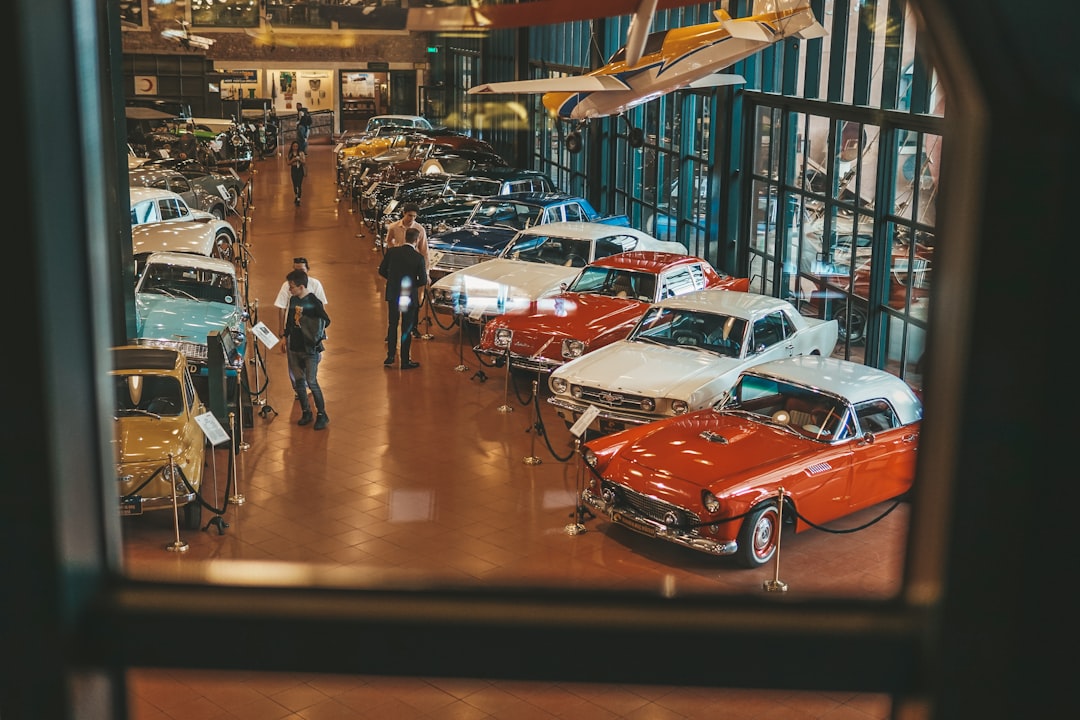
- Provenance and Documentation: Verify the car’s history, original specifications, and all restoration work. Documentation from reputable shops adds value and reduces risk.
- Mechanical Modernization vs. Original Aesthetics: Balance the benefit of a modern drivetrain with the desire to preserve classic design. Modern upgrades can improve reliability but may affect collector value.
- Maintenance and Parts Availability: Assess whether parts are readily available and affordable. The scarcity of certain components can dramatically raise ongoing costs.
- Usage Plan: Decide how often you’ll drive the car, where you’ll store it, and how you’ll transport it to events or shows. A limited-use plan reduces wear and tear but may raise per-use costs.
In practice, a buyer who follows a rigorous due-diligence process typically has a clearer sense of whether the purchase is a splurge or a well-considered investment in lifestyle and passion. A well-documented restoration with a reliable powertrain and robust maintenance history tends to fare better in long-term ownership than a find with incomplete records.
Financing, Insurance, and Security: Making the Numbers Work
Even if you have the means to buy cash, financing can be a strategic move if it helps preserve liquidity for other opportunities. However, debt education matters. When you borrow for a luxury vehicle, you should be mindful of the total interest paid over the term and the impact on cash flow.
Insurance for vintage vehicles is not like a typical car policy. Specialty coverage, agreed-value policies, and usage restrictions can influence both premium costs and payout terms. It’s essential to compare quotes from providers who specialize in classic cars and to ensure the policy aligns with your planned usage and storage arrangements.
Security is another piece of the equation. High-value cars attract theft risk and require smart storage, alarms, and possibly tracking devices. An integrated approach to security helps protect your asset and your peace of mind.
Tax Considerations and Practical Implications
Tax implications for a high-value purchase vary by state and circumstance. In many cases, the purchase price is subject to sales tax, sometimes with exemptions for certain collector-vehicle scenarios—though those exemptions are far from universal. If you plan to use the vehicle for business or events, you may be able to deduct some costs, but you’ll want to consult a tax professional to understand eligibility and limits.
Beyond taxes, think about long-term financial implications. A purchase of this magnitude can shift the perception of your overall financial health with lenders and insurers. It can also influence your ability to take on other opportunities, such as home improvements, college savings for children, or aggressive retirement saving if you’re prioritizing liquidity.
Putting It All Together: A Balanced Perspective on Big Purchases
The notion that a famous figure made a $285,000 vintage vehicle purchase invites a bigger conversation about how we allocate resources. While not everyone will buy a classic Bronco, the core principles apply across high-cost purchases:
- Define your why: What value will this purchase add to your life, and does it align with your broader goals?
- Set a precise budget: Include purchase price, financing costs, insurance, storage, maintenance, and an emergency cushion.
- Weigh opportunity costs: What would you gain by directing the same funds toward retirement, debt payoff, or a home down payment?
- Plan for the long term: Consider the asset’s resale risk, maintenance trajectory, and potential for value appreciation or depreciation.
- Practice disciplined timing: If the decision is emotionally driven, implement a cooling-off period and margin for error before finalizing.
As readers think about their own money decisions, the focus should be on whether any big purchase serves a real purpose and is supported by a robust financial plan. The real-world lesson isn’t about the glamor of a single headline but about building a sustainable approach to wealth and experiences.
Conclusion: Make Big Purchases Work for Your Life, Not Against It
Big-life purchases, including high-value collectibles, can be part of a healthy financial life when approached with intention, discipline, and a clear plan. The case study of a high-priced vintage vehicle underscores the importance of looking beyond the price tag to the total cost of ownership, the potential opportunity costs, and how the decision fits into your broader financial picture. Whether you’re eyeing a classic Bronco, a high-end motorcycle, or a rare piece of art, use the same framework: justify the decision, quantify the ongoing costs, and ensure your plan supports long-term financial security.
Remember the phrase that often accompanies discussions of luxury items: kardashian buys $285,000 vintage. While this illustrates a trend in high-profile spending, the practical takeaway for everyday readers is universal—treat big purchases like projects with financial guardrails, and you’ll keep your money working for your life goals, not just for a momentary thrill.
FAQ
Q1: What should I consider before buying a vintage car at a high price?
A1: Focus on total ownership costs, provenance, maintenance accessibility, insurance, and your planned usage. Avoid tying a large portion of your net worth to a single asset that may not generate cash flow.
Q2: Is a vintage car a good investment?
A2: It can appreciate in value, but it’s not guaranteed and often requires expert maintenance and storage. Treat it as a passion asset rather than a core investment, and diversify your portfolio with liquidity and growth assets.
Q3: How can I budget for a big purchase without derailing my goals?
A3: Create a dedicated savings cushion or sinking fund, set a cap for discretionary spending, run a long-term cost forecast, and compare the purchase to alternative uses of the money (like retirement savings or debt repayment).
Q4: Should I finance a high-value vehicle or pay cash?
A4: Financing can preserve liquidity but adds interest costs. If you have solid investment opportunities with a higher expected return, financing may be reasonable. If you carry high-interest debt, cash or a low-interest loan may be smarter.


Discussion