
Hook: Nostalgia, Branding, and Your Wallet
When a high-profile collaboration hits the menu, it’s more than a tempting beverage. It’s a case study in how nostalgia, branding, and scarcity collide to shape our spending. The latest chapter features Kylie Jenner bringing back the King Kylie energy in a Dunkin’ collection—an era-defining blend of pop culture and coffee that fans can actually buy. For personal finance readers, this isn’t just about sipping pink drinks; it’s a real-world reminder of how limited-time drops influence spending patterns, mood, and budgeting. The question isn’t only about taste—it’s about how your money behaves when a familiar face fans the flames of nostalgia. This article explores what Kylie Jenner brings back means for smart money choices, how to evaluate the true value of these drops, and actionable steps you can take to protect your budget without dulling your enjoyment of experiences you love.
Why Nostalgia Sells—and How It Impacts Your Spending
Celebrity nostalgia isn’t random. It taps into memories, identity, and social status. When Kylie Jenner brings back a familiar aesthetic from her King Kylie era, fans don’t just see a beverage; they see a social moment they want to relive. Marketers know this, and they design launches that feel like a quick return to a happier, simpler time. For your finances, this creates a predictable but powerful impulse: a desire to participate in a cultural moment with a tangible price tag. Understanding why these drops succeed helps you make smarter choices about what you buy—and what you skip.
- Nostalgia drives urgency. Limited-time offers create a fear of missing out (FOMO) that can override normal spending limits.
- Brand equity matters. When a brand carries historical moments, loyal fans are more willing to spend on a “statement” item that signals belonging.
- Social proof fuels action. Seeing friends share photos or lines at a store can trigger a rush to participate, even if the item isn’t a necessity.
The Dunkin Partnership: A Practical Case Study in Limited-Time Drops
The collaboration focuses on a trio of pink-themed drinks meant to evoke the King Kylie persona—bold, bright, and unmistakably on-brand. While the specifics of each drink aren’t the main point for your wallet, the underlying economics are. Limited-time, celebrity-backed menus typically combine three key components: high-visibility marketing, a favorable price point relative to comparable items, and a finite availability window that creates urgency. For brands, this formula can lift foot traffic and average ticket size during the promotion. For consumers, it offers a chance to indulge in something enjoyable—if done thoughtfully.
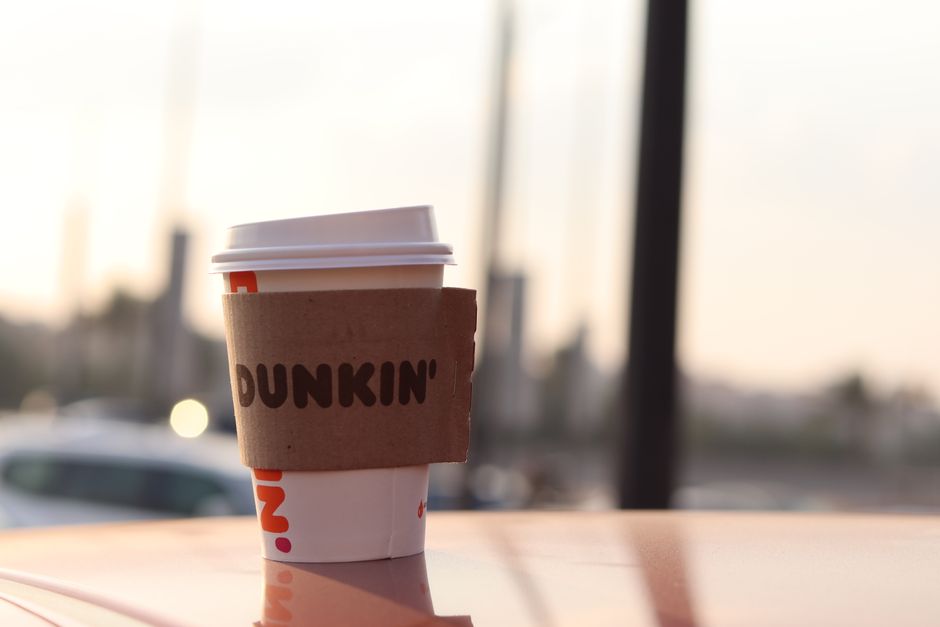
From a reader’s perspective, think about what the drop really costs beyond the sticker price. Consider the value of the experience (the moment you share on social media, the memory of a summer treat, the sense of being part of a cultural moment) versus the money spent. This distinction is crucial in personal finance: it helps you decide whether an impulse purchase is a genuine upgrade to your happiness or merely a short-lived thrill.
- Price range reality check. Limited-edition drinks typically fall in the $4.50–$6.50 range at national chains, depending on size and add-ons.
- How many you buy matters. If you’re chasing the experience, consider buying one item for the novelty and skipping the rest to preserve budget flexibility.
- Scarcity isn’t a savings plan. The real value comes from the memory or experience, not the color of a beverage. Price your joy accordingly.
What This Means for Your Personal Finances
Celebrity drops like Kylie Jenner brings back the King Kylie vibe offer a microcosm of how modern consumer spending works: instant gratification meets social currency. For personal finance, the practical lesson is simple: if a moment is worth chasing, make sure it fits into your broader money plan. You can still enjoy the thrill of a limited edition without surrendering long-term goals. Here are concrete steps you can apply now.
1) Build a Deliberate Discretionary Budget for Experiences
Most households have a discretionary bucket—the portion of income left after essentials that can fund experiences. A common approach is to allocate 5%–10% of take-home pay to discretionary spending. If you bring home $5,000 per month, that’s $250–$500 you can use for limited-edition drops, theater tickets, new gadgets, or fashionable coffee runs. The key is to define the space before the marketing hits. When a drop aligns with your budget, you can participate without compromising emergency funds or debt repayment.
2) Distinguish Between Value and Vanity Purchases
Not every limited-edition item is a fair value. Some might leave you with a memory that fades quickly and a dent in your bank balance. Ask yourself: Will this item still feel valuable in a week, a month, or a year? If the answer is uncertain, you may be leaning toward a vanity purchase rather than a sturdy value. A simple testing trick is to rate the item on a 1–10 scale for happiness a week after the purchase. If it isn’t at least a 7, you might reconsider.
3) Treat Limited Drops as Marketing Cost, Not Necessity
For brands, celebrity partnerships are a marketing investment. For consumers, think of your purchase as paying a small admission fee to a larger cultural moment. Align your spending with your values—if you’re building a savings cushion or paying down high-interest debt, limit exposure to such drops until you meet those goals. This mindset protects you from confusing entertainment value with financial necessity.
Practical Ways to Reflect, Track, and Learn
To make sure your spending on experiences mirrors your goals, adopt practical habits that transfer beyond the latest Dunkin drop. Here are ways to track, learn, and improve your behavior over time.
- Track every purchase. Log every limited-edition item you purchase for 30 days. Note the price, the motivation (nostalgia, social proof, novelty), and the impact on your overall budget. This data helps you identify patterns and adjust future decisions.
- Set a review cadence. At the end of each month, review all limited-time purchases and answer three questions: Did it bring lasting happiness? Was it worth the expense? Would I buy it again?
- Build a savings offset. If you decide to participate, allocate a portion of your discretionary budget to a dedicated savings or investment fund. Even a small amount (e.g., $20 per month) can compound over time and offset the joy you enjoyed today.
Three Real-World Scenarios to Illustrate the Point
Case studies aren’t about celebrity worship; they’re about money decisions you can apply. Here are three scenarios that show how the dynamics of a nostalgia-driven drop translate into everyday financial choices.
- Scenario A — The Single Drink, Big Joy Moment. You’re eyeing one pink-hued drink during the limited-time window. You value the experience and the social moment more than other options. You decide to buy one drink at $5.50 and skip a second item. The joy is real, but your budget stays intact, and you still can contribute $15 toward your savings goal this month.
- Scenario B — The Friend Buy. A friend invites you to join a small group for a limited drop. You’re tempted to buy two drinks to participate in photos and a group vibe. You cap the total spend at $20 across the event and leave with a shared memory and a small, intentional contribution to your “Experiences” fund rather than buying extra items you won’t remember a month later.
- Scenario C — The Rebound Effect. After a few weeks, you realize you bought items you didn’t need. You set up an immediate refund or exchange window (if allowed), and you reallocate the leftover funds toward a practical goal (an emergency fund top-up or debt payoff). This is the offset that keeps you from chasing the next drop with a hollow sense of value.
How to Apply the Kylie Jenner Brings Back Mindset to Your Financial Life
Even if you don’t plan to chase every limited edition, you can borrow the principles that make these drops compelling and channel them into healthier money habits. Here are practical steps you can implement today.
- Create a deliberate play money pool. Designate a fixed monthly amount for discretionary fun—experiences like coffee, subculture drops, or small treats. Treat it as a separate fund so it doesn’t siphon money from essentials or savings.
- Set escalation rules for novelty spending. If a drop offers a significant discount on a larger item you were considering anyway, you might justify it. If not, pass. Build a simple decision tree: Do I need it? Will it improve my life in a tangible way? Am I already near my monthly cap?
- Use price anchors and limits. Compare the drop price to a baseline purchase (the regular item) and set a strict limit on how much you’ll pay above the baseline for the hype. This keeps you grounded while still letting you participate.
Conclusion: Balance, Not Abstinence
The Kylie Jenner brings back moment is a reminder that culture and commerce move together—nostalgia can be a powerful driver of spending, especially when a brand like Dunkin aligns with a pop icon. But you don’t have to avoid these moments to stay financially healthy. By setting boundaries, tracking results, and distinguishing value from vanity, you can enjoy the thrill of a limited-edition drop while advancing your long-term goals. The broader takeaway is clear: memorable experiences are part of a well-rounded life, but they should fit within a responsible financial plan. When you apply the right mix of discipline and delight, you’ll find that you can participate in cultural moments—without sacrificing financial security or future dreams. And yes, you can still appreciate the nostalgia when kylie jenner brings back a classic energy, while keeping your finances steady and strong.
Frequently Asked Questions
Q1: What does it mean for a consumer when a celebrity collab returns like this?
A1: It signals a moment of heightened demand and potential impulse buying. For your finances, it’s a reminder to set a budget in advance and evaluate value versus hype before purchasing.
Q2: How can I participate in limited-time drops without harming my savings?
A2: Allocate a small, fixed amount for experiences, wait 24 hours before buying, and choose one item instead of multiple. This protects savings while preserving the joy of the moment.
Q3: Should I compare this to other budgeting goals?
A3: Yes. If you’re saving for emergencies or debt payoff, weigh the drop against those priorities. If the boost to happiness is meaningful but modest, consider postponing or skipping the item until you’re on solid financial footing.
Q4: Can I treat this as an investment in branding knowledge?
A4: Absolutely. Observing how celebrity collaborations influence consumer behavior can inform your own money decisions, especially around impulse purchases and budgeting for experiences.


Discussion