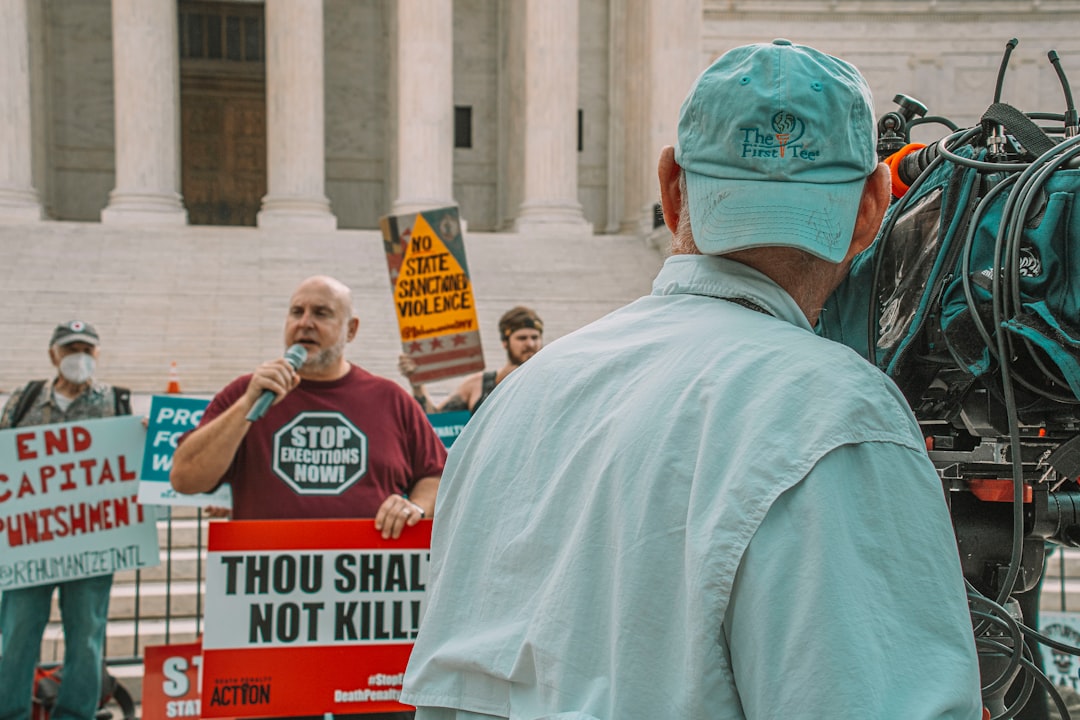
Breakthrough Trend: Labor Union Participation Rise Gains Momentum
In a year that has sharpened the focus on worker bargaining power, the labor union participation rise is moving beyond niche campaigns into broad-based mobilization. Fresh indicators show more Americans are choosing to join unions or engage in collective bargaining, even as employers intensify efforts to slow the push.
For 2025, government and industry tallies place union membership at roughly 16.5 million workers, the highest in 16 years and a gain of about 463,000 since 2024. Experts describe this as a meaningful shift, not a one-off spike, suggesting a sustained appetite for collective wage setting and improved benefits in a tight labor market.
At the state level, a landmark development highlighted how the labor union participation rise is translating into formal representation for large pools of workers. In Massachusetts, drivers for major ride-hailing platforms won certification for a statewide organizing effort that could bring thousands of workers into a single bargaining unit. The move underscores how new sectors—short-haul driver networks, gig platforms, and service workers—are now part of the broader labor conversation.
“The current cycle shows workers are more willing to pursue organized bargaining even when the corporate path of least resistance remains available,” said a labor economist who tracks organizing campaigns. “The labor union participation rise reflects a real shift in how employees evaluate pay, benefits, and job protections.”
How the Labor Union Participation Rise is Reshaping the Economy
The trend comes as wage pressure remains a focal point for policymakers, families, and investors. With the job market historically tight, workers have greater leverage to negotiate raises, flexible schedules, safer working conditions, and better safety nets during economic downturns. Firms respond with a mix of higher payroll costs, updated benefit packages, and, in some cases, longer negotiation periods for first contracts.
While the rise in union activity supports higher earnings for many workers, it also alters the cost landscape for employers. Firms across manufacturing, logistics, and platform-based services are weighing the balance between attracting talent and maintaining competitive margins. The labor market is now watching for whether broader participation in unions translates into persistent wage gains, productivity shifts, or changes in labor costs that feed into inflation dynamics.
Key Numbers: What the Data Show
What follows are snapshot figures that illustrate the scale and pace of the labor union participation rise. These numbers help frame the stakes for workers, companies, and markets alike:
- Total union membership: about 16.5 million workers in 2025, the highest level since the mid-2000s.
- Increase from 2024: roughly 463,000 more union members, marking a solid year-over-year gain.
- Significant organizing efforts: the Massachusetts rideshare driver sector achieved certification for a statewide union, representing close to 70,000 drivers.
- Historical context: the current labor union participation rise occurs well after a peak era in the 1950s when union density was higher, signaling structural changes rather than a temporary spike.
These data points align with broader social trends, including worker activism on pay and benefits and a willingness to leverage formal bargaining channels to secure better terms in a rising-cost environment.
Employer Spending on Union Opposition: A Billion-Dollar Question
The scale of corporate response to unionization is a critical piece of the story. A new study estimates that U.S. employers spent about $1.7 billion in a single year on union opposition. The figure captures fees for legal counsel, consulting, and related services aimed at preventing union elections or delaying negotiations when unions form.
Proponents of the spending analysis argue that the money is often deployed at strategic moments, such as organizing drives or contract talks, to blunt momentum or stretch timelines. Critics, however, contend the outlays reflect a broader push to preserve management prerogatives and keep wage costs manageable during periods of rising inflation and geopolitical uncertainty.
“When companies alert employees to the costs of unionization or bring in outside consultants to slow negotiations, they are using the same tools that many workers struggle to access—clear information and leverage in negotiation,” said a labor policy researcher who co-authored the study. “The question for workers is whether this financial pressure ultimately translates into better terms at the bargaining table.”
Why Workers Are Turning Toward Unions: Core Drivers
The labor union participation rise is not a matter of ideology alone. A confluence of practical and economic forces is steering workers toward collective action. Rising living costs, concerns about job security in volatile sectors, and the desire for predictable benefits are all cited as motivators. In several industries, unions are now negotiating on issues that affect the day-to-day lives of workers—overtime rules, paid sick leave, health coverage, and retirement security.
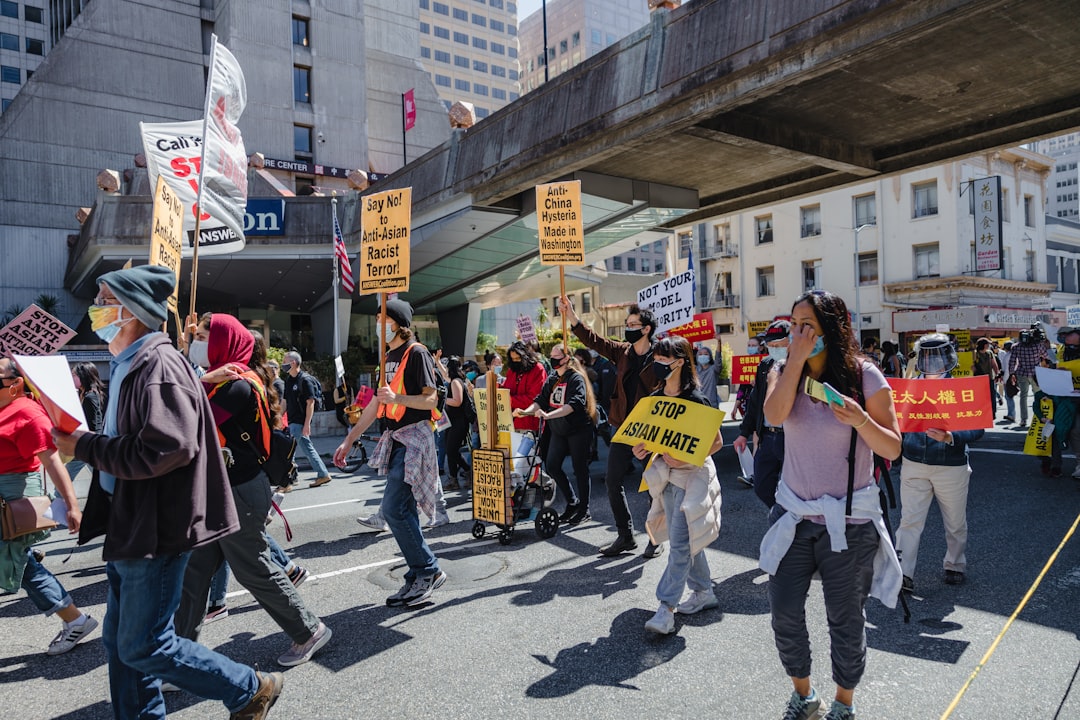
Gig and platform-based workers have added a dynamic element to the labor conversation. The Massachusetts case demonstrates how workers historically outside traditional unions are seeking formal protections through collective bargaining, signaling a potential expansion of union activity into new corners of the economy.
What This Means for Personal Finance and Investors
The labor union participation rise has several immediate and longer-term implications for households and markets:
- Wages and benefits: A more powerful bargaining position could lift take-home pay for many workers, particularly in sectors with recent organizing wins. This could contribute to higher consumer spending if wage gains outpace inflation.
- Inflation and policy: Sustained wage growth may influence inflation trajectories and central bank decisions, potentially affecting mortgage rates and investment yields.
- Corporate earnings: Higher payroll costs may compress margins in industries facing card-edge pricing pressures, while productivity gains from improved benefits or better worker retention could offset some costs.
- Portfolio implications: Investors may revise sector exposures as union activity broadens in sectors like transportation, logistics, and services, affecting valuation models and risk assessment.
For families, the key takeaway is that the labor union participation rise could translate into more robust contract terms in the coming years. For savers and investors, it’s a signal to monitor wage trends, consumer spending patterns, and the health of sectors most exposed to labor negotiations.
What to Watch Next: The Road Ahead for Workers and Markets
Several developments will shape how the labor union participation rise unfolds in the near term. The pace of new organizing campaigns, the fate of high-profile rideshare and gig-era efforts, and the timing of first contracts will be critical. Labor boards at the state and federal levels will also influence how quickly groups can achieve formal bargaining status and secure agreements.

On the policy front, lawmakers are debating how to balance flexible work arrangements with protections that ensure fair pay and benefits. As the conversation broadens beyond traditional manufacturing and public sector jobs, more workers may weigh collective action as a practical route to economic stability.
Bottom Line for Readers: A Shifting Bargaining Landscape
The labor union participation rise is signaling a meaningful pivot in how workers bargain and how companies respond. While the exact outcomes will vary by industry and geography, the trend is reshaping expectations for wages, benefits, and employment terms across the economy. For households, staying informed about union activity and wage trends will be essential as the labor market tests new norms in 2025 and beyond.
About the Numbers: Data Sources and Context
The figures cited reflect a combination of union membership tallies, certified organizing campaigns, and industry-specific drives from 2024 into 2025. They illustrate a broader movement rather than a single flashpoint, underscoring the enduring appeal of collective bargaining for workers who face rising living costs and evolving job models in a rapidly changing economy.



Discussion