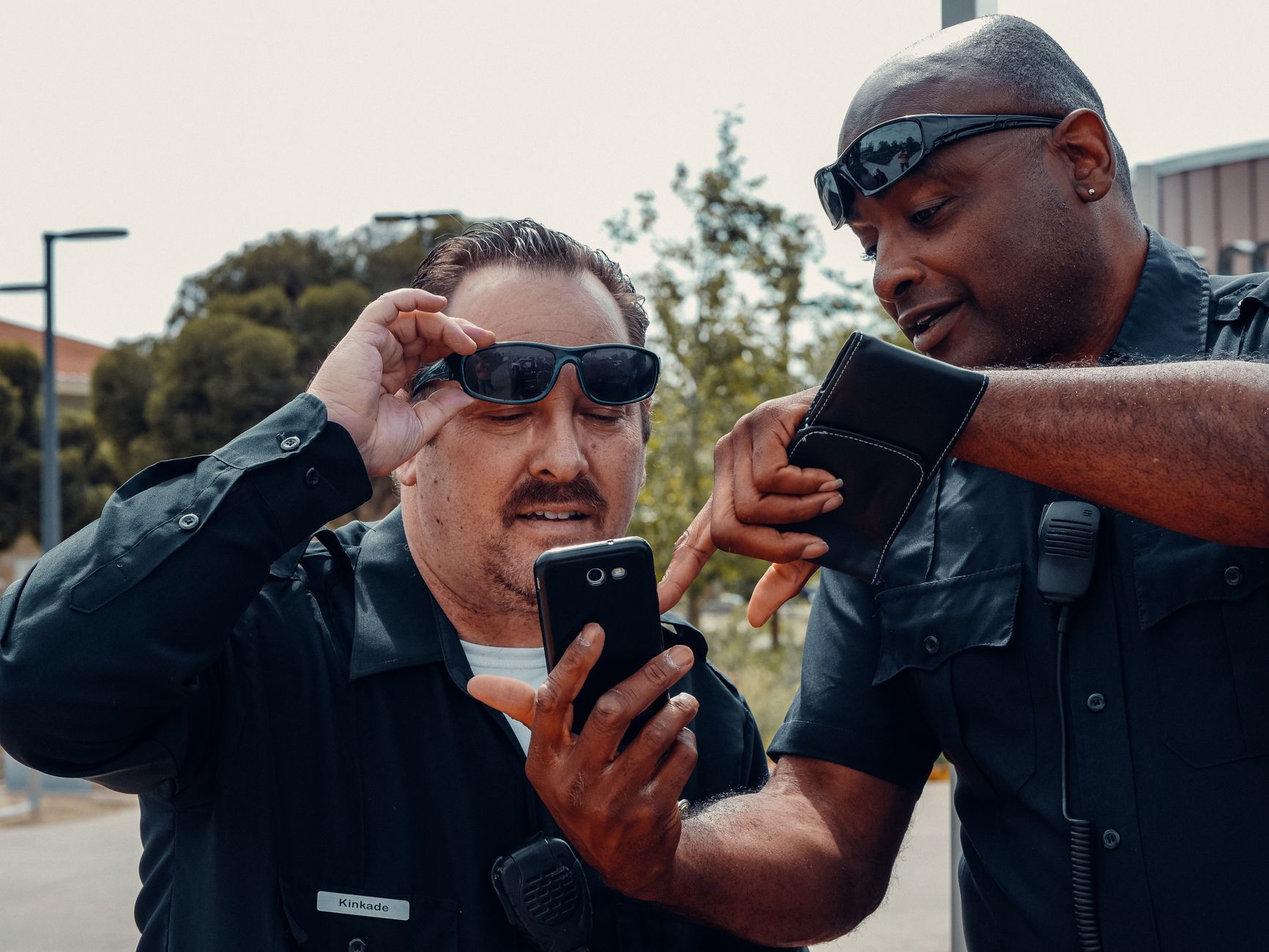
Headline Move: LAPD Reopens Flock Safety Pact With Privacy Guarantees
The Los Angeles Police Department has begun renegotiating its relationship with Flock Safety, the automated license plate reader company that has helped drive investigations but has also drawn privacy scrutiny. The department says the new draft will preserve the investigative benefits of the technology while adding robust protections around who owns the data and how it is used.
Flock operates a network of cameras across the city, and Los Angeles remains one of the vendor’s most prominent government customers. The department previously entered a memorandum of understanding with Flock in 2023; that document expired in June and has not been renewed in its current form. LAPD officials say the renegotiation reflects a commitment to balance public-safety gains with civil-liberties protections.
What’s Driving the Renegotiation
The move comes as several major cities reassess automated license plate reader programs in the wake of privacy concerns, data ownership questions, and potential for data-sharing beyond law enforcement needs. LAPD leaders insist ALPR tools remain a valuable asset—helping to locate violent offenders, identify stolen vehicles, and generate leads—yet they emphasize that privacy safeguards must be baked into every contract.
“Automated license plate reader technology is a valuable investigative tool, but we must ensure any technology we use is backed by strong privacy protections and the security of the information entrusted to us,” said a senior LAPD official during a recent police commission briefing. The department has reiterated that it will not abandon the tool; instead, it will pursue terms that tighten data governance and oversight.
Why This Matters for LAPD and the Public
Los Angeles has long been viewed as lapd flock safety’s biggest government customer, a status that amplifies scrutiny when concerns about civil liberties surface. The renegotiation aims to set a new baseline for data ownership, access rights, retention timelines, and third-party data sharing so that the city’s residents see clear limits on how footage and plate data are stored and used.
Beyond Flock, the LAPD already has data-sharing arrangements with other vendors for license plate reads and video analytics. Officials say the department will not abandon these tools outright, but the revised framework will seek unified standards across platforms—reducing ambiguity about who can access what, for what purpose, and for how long data is retained.
Proposed Protections and Policy Controls
- Data ownership and stewardship: Clear language on who owns collected information and under what conditions it can be accessed or transferred.
- Access controls: Strict role-based access, with audit trails showing who viewed data and when.
- Retention limits: A defined window for how long license plate data is kept, with automatic deletion rules after the period ends unless a concrete investigative need is documented.
- Usage boundaries: Prohibitions on data use for immigration enforcement or non-criminal scenarios unless mandated by law or court order.
- Independent oversight: Regular independent audits of data handling practices and privacy protections.
- Transparency and redress: Public reporting on data-use guidelines and a mechanism for individuals to challenge data-related decisions when appropriate.
Industry Context: A Tightening ALPR Landscape
As cities evaluate ALPR deployments, industry watchers note a broader shift toward privacy-first terms and clearer governance, even as departments defend the public-safety value of plate-reading technology. The renegotiation at hand could set a model for other large jurisdictions watching how to scale back risk while preserving investigative capabilities.
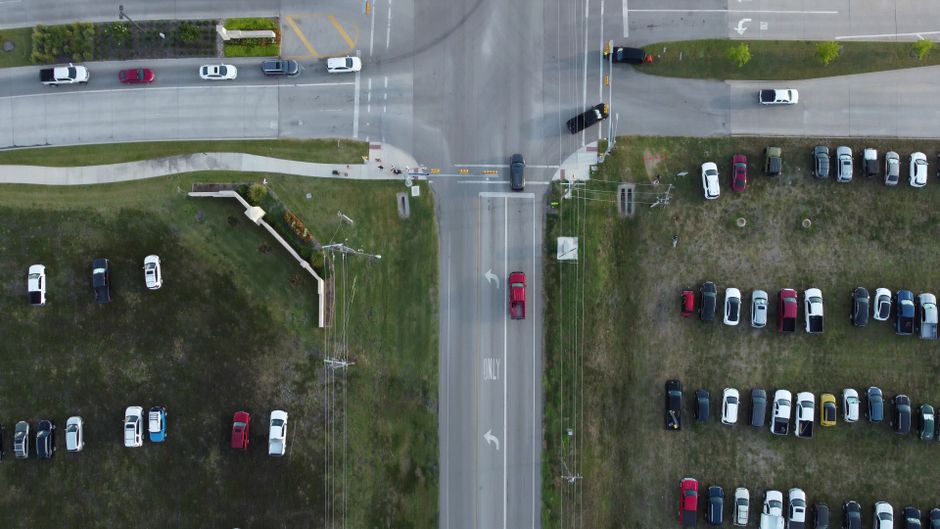
In the same ecosystem, LAPD’s relationships with Axon and Motorola are part of the data framework that complements Flock’s offerings. Officials insist that the city will press for a unified privacy standard across vendors to avoid conflicting policies and ensure consistent treatment of data across platforms.
Financial and Budget Considerations
Contract renegotiations of this scale come as municipal budgets face tighter scrutiny and competing safety priorities. While specific pricing for the Flock agreement is not public, officials emphasize that any updated terms will balance cost with the expected privacy protections and public trust benefits. The city is watching how these changes affect overall surveillance spend and whether privacy clarifications might reduce long-term compliance or litigation risk.
What to Watch Next
The renegotiation timeline remains fluid, with officials aiming to reach a new framework by year-end. If the terms pass muster with city attorneys and privacy advocates, Los Angeles could provide a blueprint for how a city can retain critical investigative tools while elevating data governance standards. The conversation also signals how lapd flock safety’s biggest relationship—one of the most visible in the ALPR market—could influence policy across other large departments.
Bottom Line
The LAPD is not retreating from Flock Safety; it is elevating privacy safeguards and data governance as part of a renegotiated pact. That shift aims to maintain the investigative edge of plate-reading technology while addressing civil-liberties concerns that have intensified in recent years. For residents, the outcome could mean clearer protections on who can access plate data, how long it stays on file, and under what circumstances it can be used. For Flock and other ALPR vendors, the signal is that the era of open-ended data sharing with city police is giving way to distinctly defined, tightly supervised terms that prioritize privacy without sacrificing public safety capability.
Key Figures to Watch
City hall and LAPD leadership are expected to present a timeline in the coming weeks, while privacy advocates and civil-liberties groups will weigh in on the final terms. If negotiations stay on track, finalized language could be rolled out in early 2027, guiding future procurements and contract language for other major cities that rely on automated license plate readers.
Contextual Takeaways
- Flock Safety remains a major ALPR vendor with a broad municipal footprint, including Los Angeles as one of its largest customers.
- The renegotiated terms will seek a stronger balance between investigative utility and individual privacy protections.
- The approach could influence how other cities structure privacy safeguards around ALPR data in the years ahead.

Discussion