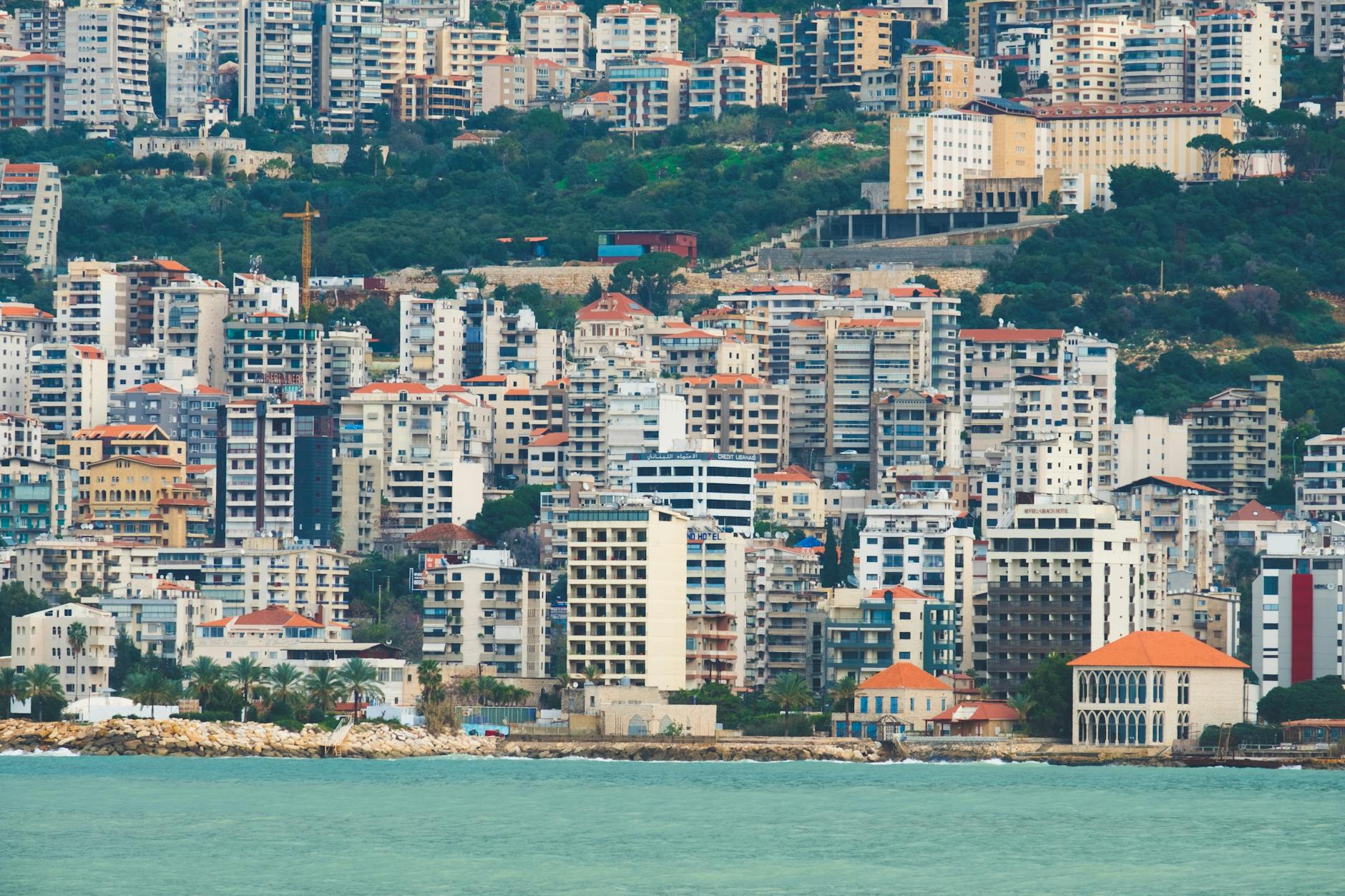
Topline: War Shock Deepens Lebanon’s Economic Pain
Beirut — The latest flare‑up in the region has pushed Lebanon to a defining moment. Officials say the current crisis is not just another downturn, but an existential shock to a battered economy already limping through years of crisis. The message from policymakers is blunt: price pressures are intensifying, hundreds of businesses are shuttering, and tourism — once a lifeline — is dwindling again just as residents face higher living costs.
In a briefing this week, lebanon’s economy minister ‘existential described the moment as a turning point for the country’s finances and livelihoods. He warned that without rapid reforms and targeted relief, more workers will join the ranks of the unemployed and more shops will close their doors.
Regional Turmoil, Global Flows: Why Lebanon Feels the Ripple
The immediate driver is regional volatility that threatens energy supplies and trade routes, compounding Lebanon’s existing fragility. The closure of key corridor routes and heightened risk premiums push up the cost of imported goods, while remittances — a cornerstone of household income — waver as border tensions siphon workers away and send investors looking for safer bets.
Analysts note that the combined effect is a cascade: higher prices for essentials, tighter credit conditions, and a banking sector that remains under strain after years of capital controls and deposit outflows. The country’s external financing needs are growing just as the IMF program, reform commitments, and donor confidence are tested on multiple fronts.
What This Means for Workers, Firms, and Households
Across Beirut and the southern suburbs, business owners report plunging foot traffic and tighter profit margins. Small retailers, manufacturers, and service providers say that even slight shifts in currency rates ripple through inventories and wage bills. For many families, daily life is a negotiation over essentials: food, fuel, and school costs that keep creeping higher amid an unstable backdrop.
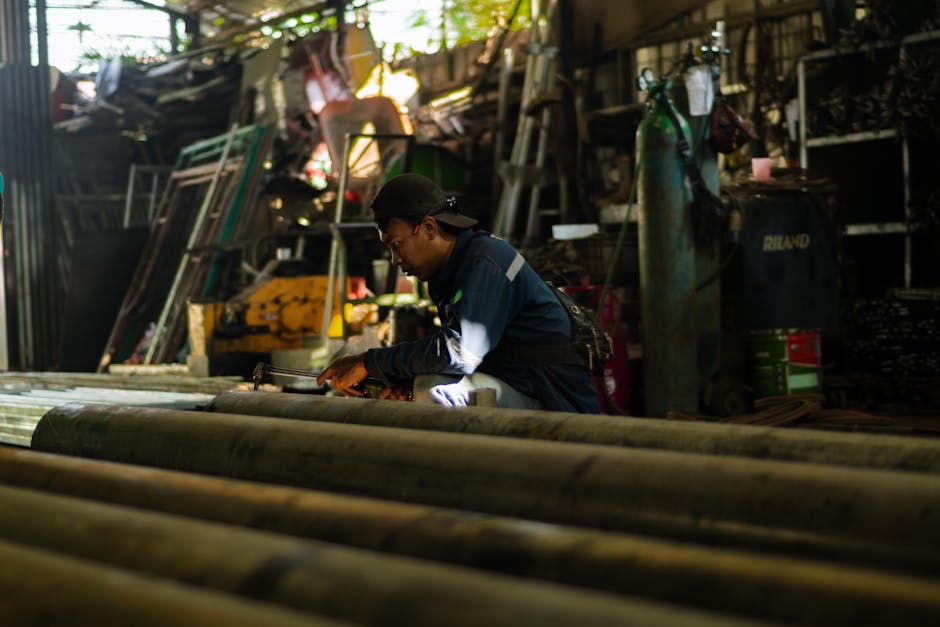
Two years of price surges and capital constraints have already reshaped consumer behavior. Businesses that managed to survive at the height of Lebanon’s crisis now face renewed pressure from higher import costs and a testing labor market. The momentum of investment in rebuilding and expansion has slowed, and many owners worry about the durability of any recovery if regional tensions persist.
Data Snapshot: How Deep Is the Stress?
- Currency depreciation: The local unit continues to lose ground in parallel markets, with the gap between official rates and street prices widening steadily since 2019. Residents report that purchasing power has shrunk by roughly 90–95% since the crisis began.
- Unemployment and poverty: Analysts estimate that unemployment and underemployment affect a substantial share of the workforce, with poverty rates lingering in the high-60s to low-80s percentile ranges in recent years, according to World Bank and IMF assessments.
- Tourism and services: Visitor numbers remain well below pre-crisis levels, with year‑over‑year declines in arrivals and tourism revenue reflecting security concerns and price volatility.
- Lost value in the financial sector: The World Bank has highlighted losses in the banking system on the order of tens of billions of dollars since 2019, a legacy that continues to constrain credit and confidence.
- Regional war costs: The 2024–present regional conflict carried an estimated multi‑billion‑dollar impact on Lebanon’s external balances and subsidies, adding pressure to already stretched public finances.
Policy Response: What is Being Done Now
Lebanon’s government has signaled a renewed commitment to fiscal discipline, structural reforms, and targeted social protection. Policymakers argue that credible measures to stabilize public finances, improve governance, and unlock international funding are essential to prevent a full‑scale collapse of basic services.
Key steps already on the table include tightening price controls on critical goods where feasible, restoring some liquidity channels for small businesses, and accelerating steps toward a functional tax regime that can broader revenue without smothering economic activity. Officials also emphasize the need for robust governance reforms to rebuild donor trust and secure fresh financing rounds.
What Ordinary Investors and Savers Should Watch
For households managing tight budgets, the immediate takeaway is to prepare for continued price volatility and tighter access to credit. Financial advisers urge families to review essentials spending, build emergency buffers where possible, and diversify exposure to risks tied to the local currency and imported goods.
Markets are pricing greater risk, and investors could see increased hedging activity as regional tensions persist. Given the complexity of Lebanon’s macroeconomic dynamics, personal finance decisions should be guided by a clear plan for liquidity, debt management, and long‑term goals beyond stabilization narratives.
Outlook: A Difficult Road Ahead, with a Short Window for Reform
Experts caution that Lebanon’s path to recovery hinges on credible reform and credible funding. The regional environment, inflationary pressures, and fragile banking operations create a delicate balance between short‑term relief and longer‑term growth. If policymakers can demonstrate progress on reforms, maintain social protection, and secure international support, the country could avert a deeper contraction and begin a staged improvement in living standards.
Bottom Line for Readers
The existential threat described by lebanon’s economy minister ‘existential is not merely a political phrase. It captures a moment when everyday life—jobs, groceries, and the comfort of a summer trip—depends on the sense that reform is real, timely, and enough to anchor confidence. For households and small business owners, the coming months will test resilience, adaptability, and the ability to plan amid uncertainty.



Discussion