Lead
A former corporate lawyer who moonlighted as a wedding DJ now runs a growing network of sports clubhouses inside refugee camps, turning music, sport, and community into a sustainable funding model. His work blends personal finance strategy with humanitarian impact, offering a blueprint for how aid money can be deployed more creatively and effectively.
In a landscape where up to 120 million people are forcibly displaced, the question isn’t just how to help, but how to help consistently. The financing mix behind these clubhouses combines private grants, public funding, and income from events, all aimed at keeping youth active and residents connected.
The Leap: From Law to Life-Changing Play
The founder, a former M&A associate, walked away from a six-figure paycheck to pursue a cause that could outlive him. He explains the pivot this way: "left law, became bills" — a line he uses to describe swapping a predictable salary for an evolving stream of costs and revenues tied to real-world impact.
After years at a top Amsterdam firm, he sent a bold note to UNHCR asking for a chance to work directly with displaced communities. The reply came with a mission: build spaces that would give children and young adults a structured outlet beyond survival. To cover the early months, he leveraged a second income as a professional DJ, spinning at weddings and corporate events while the first clubhouses were being designed and funded.
How It Works: The Clubhouse Model
The core concept centers on repurposed shipping containers converted into self-contained athletic hubs. Each hub includes solar power, Wi-Fi, a TV screen, and a robust equipment library that residents can borrow from and return when finished. The result is a scalable, low-overhead way to provide organized sport, mentoring, and community programming in otherwise under-resourced spaces.
Key elements of the model include:
- Solar-powered, weatherproof clubhouses that require minimal ongoing energy costs.
- An equipment library that rotates gear—balls, nets, shoes, and even chess sets—to maximize access without waste.
- Volunteer-led coaching programs that pair sport with life skills and entrepreneurship training.
- A blended funding approach that pairs grants with revenue from community events and service agreements with partner agencies.
Financials: Costs, Revenue and Growth
The project combines early-stage capital with a long-term plan to reach sustainability. The financial regimen is built around predictable capital expenditure and adaptable operating costs, designed to weather the volatility of displacement settings.
Representative figures drawn from recent deployments include:
- Cost to retrofit a single clubhouse: $40,000–$50,000, depending on location and equipment needs.
- Annual operating cost per site (staff, maintenance, supplies): approximately $70,000–$90,000.
- Number of active hubs: 8 centers across two regions, with plans to expand to 12 in the next 18 months.
- Grants and grants-related partnerships secured since inception: $3.5 million+
- Annual revenue from events and micro-donations: $120,000–$260,000, with growth tied to program expansion.
To keep the model solvent, the founder emphasizes a mix that blends mission with money—ensuring that the clubs can operate without becoming purely donor-dependent. The DJ income from gigs during the early phase served as a bridge, allowing the first cohorts to form while grant funding was secured.
Impact: Youth, Skills, and Community
Beyond the physical space, the program aims to rebuild routines, confidence, and opportunity for residents who spend years, sometimes decades, in camps. Local leaders describe the huts as more than just sports venues; they are community centers where kids do homework, teammates learn to manage equipment, and parents find a constructive way to engage with their children’s growth.
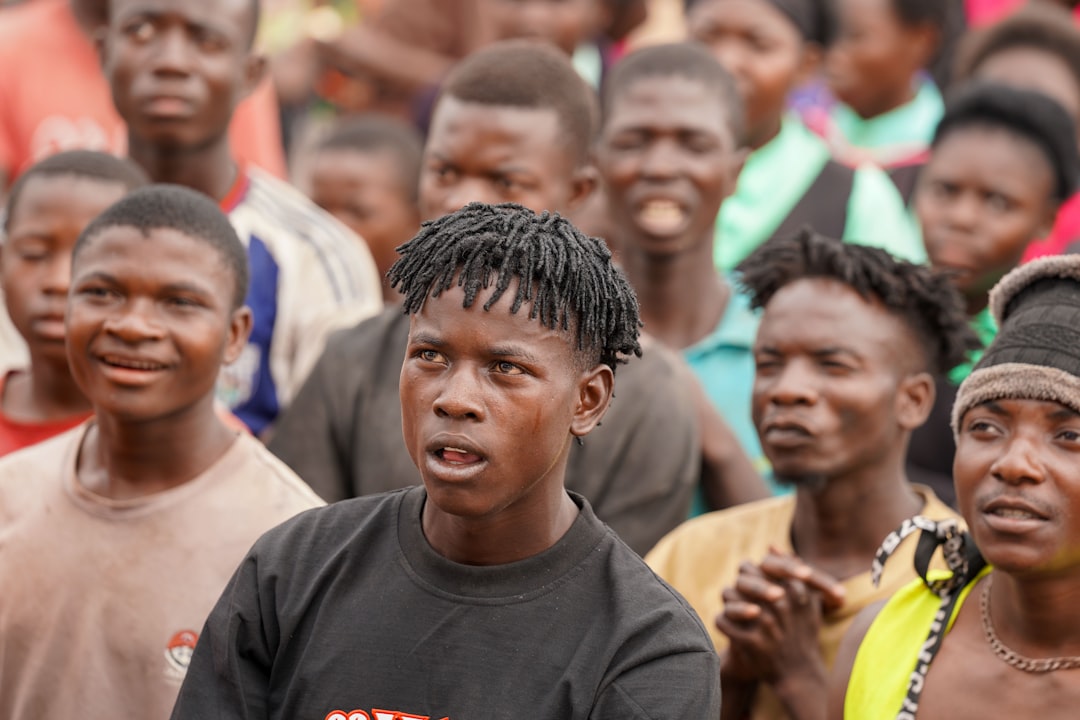
One resident youth organizer at a camp in the region described the impact: "We have a place where we can dream about futures that aren’t limited to what is given in a camp. It’s not just a game; it’s a pathway to leadership, teamwork, and small businesses we can start together."
The founder notes that the average stay in refugee camps often stretches to decades, not just a few years. Children grow up inside these spaces, and the clubs become part of their daily lives, a shift that makes the program a strong candidate for long-term funding and policy support.
Financial Strategy and Risk: Why the Model Works
The entrepreneur frames his approach as a pragmatic answer to donor fatigue and the fragility of grant cycles. By anchoring operations to tangible assets and predictable energy sources, the program reduces the risk of sudden shutdowns caused by funding gaps.
Two strategic pillars keep the model resilient:
- Diversified funding: grants, gifts, event revenue, and small business collaborations with local vendors.
- Asset-backed operations: durable clubhouses that retain value and can be repurposed or relocated if needed.
In private conversations, the founder repeats the motto "left law, became bills" as a reminder that every dollar spent must be justified by measurable impact. The phrase has become a shorthand not only for the pivot but for the discipline of turning income streams into sustained programs.
A grant officer at a regional humanitarian fund described the model as "practical, scalable, and deeply community-centered", noting that the clubs align with broader goals of youth development and health in displacement settings.
What It Means for Personal Finance and Social Investing
The story offers a fresh lens on personal finance in high-need environments. It demonstrates that career pivots can be financially viable when paired with asset-based operations, diversified revenue streams, and a willingness to adapt to local conditions.
For aspiring social entrepreneurs and impact-focused investors, the approach signals a path where creative employment, personal branding, and mission investment converge. The founder’s journey—from law to live performance, then to clubhouses that fund themselves—highlights how talent and resourcefulness can secure a stable future for families in fragile settings.
Observers caution that the model isn’t a one-size-fits-all solution. Risk factors include geopolitical shifts, changes in donor priorities, and the need for ongoing maintenance of durable assets. Yet the early results suggest a viable blueprint for turning entertainment earnings and philanthropic dollars into enduring community assets.
Future Plans and Expansion
Looking ahead, the team plans to expand to 12 clubhouses within two years and to pilot a mobile unit that can serve even more camps without compromising the core library and education components. These steps will require careful capital planning and stronger partnerships with local schools, health services, and private donors.
The founder remains focused on balancing the immediate needs of residents with a longer-term strategy for financial independence. He believes that the clubs can become a model for other displacement contexts, where youth need structure, mentorship, and affordable access to sport as a gateway to opportunity.
Context: Refugee Camps and the New Personal Finance Narrative
As waves of displacement continue to reshape global demographics, the intersection of personal finance and humanitarian aid grows more important. The approach showcased here demonstrates that financial planning for nonprofits and social ventures can benefit from more diverse income streams and asset-backed infrastructure. In times of macroeconomic stress or donor tightening, such models offer a potential path to resilience.
With the world watching migration trends and humanitarian funding, impact-focused finance is increasingly being tested. The pilot program’s early success indicates a broader appetite for sustainable, community-led solutions that combine sport, education, and entrepreneurship as a combined engine of growth.
Data At a Glance
- Camp hubs: 8 active centers; goal 12 within 18 months
- Average clubhouse retrofit cost: $40,000–$50,000
- Annual operating cost per site: $70,000–$90,000
- Total grants raised since inception: $3.5M+
- Annual event and donation income: $120K–$260K


Discussion