
Patience Pays—But The AI Clock Is Ticking
Lenovo’s Global Chief Information Officer, a veteran of steering a global PC giant through rapid tech shifts, says patience remains a strategic virtue for AI investments even as the market surges ahead. In conversations tied to a busy 2026 tech cycle, he argues that executives still see room to experiment with generative AI, while recognizing that the path to meaningful returns is longer and more nuanced than traditional technology upgrades.
Across corporate boards, there’s a broad shift toward funding AI initiatives with a longer-term lens. Investment committees are weighing quick wins against the deeper architectural playbooks required to scale AI across products, services, and operations. In this environment, the idea that AI yields immediate, uniform ROI is fading, replaced by a confidence that early learning will compound into sustained value over years, not quarters.
For investors, that outlook translates into a slower, steadier earnings cadence from AI initiatives. The market is watching how large buyers balance experimentation with cost discipline, and how hardware demand—especially for AI-enabled devices—plays into the bottom line as components costs move with supply chain dynamics.
AI Demand Meets a Slower ROI Timeline
Enterprises are leaning into generative AI more aggressively in 2026, even as they acknowledge that the payoff timeline will be longer than many other tech investments. The sentiment echoes recent finance and technology surveys that show corporate leaders increasingly expect AI to deliver results, but over a longer horizon than the sprint-style ROI seen with prior tech waves.
Conversations around AI spending growth this year are reinforced by data from market researchers and industry analysts. The consensus is that budgets for AI-related initiatives are expanding, though with a greater emphasis on sustainable deployment, governance, and integration into existing systems rather than isolated pilots.
Lenovo’s Hardware Backdrop: AI PCs Driving Momentum
Lenovo and other PC makers are navigating a market where AI capability is increasingly tied to the hardware that enables it. By late 2025, AI-capable PCs had come to represent a notable share of the global PC market as upgrades accelerated to support on-device and data-center AI workloads. The interplay between software advances and new silicon continues to shape pricing and availability in a way that matters for consumer wallets and corporate procurement alike.
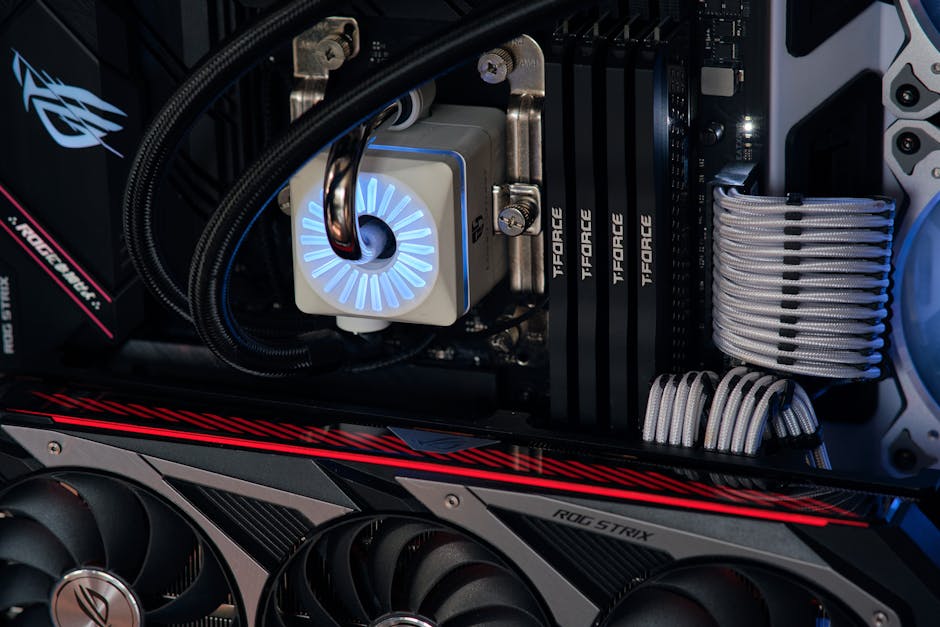
Lenovo’s latest quarterly results illustrate how the AI hardware cycle can lift top-line growth. The company reported an 18% year-over-year increase in total revenue, propelled by stronger demand for AI-oriented products. Within that, AI-related revenues climbed about 72% versus the prior year, now accounting for roughly one-third of Lenovo’s total business. These numbers highlight the direct link between AI activity and hardware demand, while also suggesting the AI push remains a primary driver of Lenovo’s financial performance.
Market Conditions: Components, Centers, and Costs
The broader supply chain is a key variable in Lenovo’s AI strategy. As major players—OpenAI, Amazon, Alphabet—expand data-center footprints, demand for memory and other components has surged. That dynamic can tighten supply and push up costs in the short term, even as longer-term AI adoption strengthens demand for next-generation chips and memory solutions. Analysts warn that rising component costs could temper PC and smartphone growth in 2026, creating a paradox where AI-boosted demand supports revenue, but rising inputs compress margins if pricing and supply fail to align.
Industry observers point to Gartner and similar firms that show AI PC adoption expanding quickly, yet with cost pressures that could temper the pace of hardware upgrades across consumer and corporate channels. In Lenovo’s case, the company’s results suggest it is managing that tension—capturing AI-driven demand while navigating a challenging component market that remains sensitive to the macro backdrop.
Leadership, Strategy, and the Path Forward
Hu’s long tenure with Lenovo, including his early work on expanding the company’s footprint in China before moving into a global leadership role, underscores a legacy of balancing innovation with disciplined execution. The current AI push sits at the center of that strategy: expand AI-enabled devices, build out AI software and services, and align hardware with enterprise AI needs while markets contend with supply constraints and cost volatility.
From a personal finance viewpoint, the Lenovo story offers a snapshot of how big technology cycles can influence consumer and investor decisions alike. For families and individual investors, the combination of rising AI-related spending and the risk of higher component costs means: diversify tech exposure, be mindful of hardware upgrade cycles, and prepare for a multi-year horizon on AI investments rather than expecting rapid, one-off gains.
Key Takeaways for Investors and Consumers
- Enterprise AI spending is rising in 2026, with executives signaling a longer ROI horizon than earlier tech waves.
- Lenovo’s AI-related revenue is growing fast, signaling strong demand for AI-enabled devices and solutions, even as macro costs pressure margins.
- The AI hardware cycle supports top-line growth for PC makers, but sustained profitability will depend on component costs and supply-chain resilience.
- Gartner and other analysts warn that 2026 could bring higher prices for memory and other components, potentially dampening device sales in the near term.
- Investors should balance exposure to AI-powered hardware with software, services, and diversified growth bets to weather multi-year cycles.
In a year when AI spending is moving from a novelty to a core strategic priority for businesses, Lenovo’s experience underscores a central truth for personal finance: patience is a practical asset when navigating disruptive technologies. The phrase lenovo’s says patience virtue, though unusual, captures a mindset many corporate leaders are adopting as they chart a careful course through a noisy, opportunity-rich market. For investors watching AI evolve from pilot programs to everyday backbone of business, the message is clear: the clock is ticking, but the timetable favors those who plan for a longer, steadier cadence of value creation.
About the Focus Keyword and SEO Note
This piece centers on lenovo’s says patience virtue as a thematic touchpoint for discussing long-horizon AI investing, enterprise spending patterns, and the hardware demand cycle that shapes Lenovo’s financial results in 2026. The focus appears naturally in context to reinforce the article’s core insight without altering the factual narrative of the market and company data.


Discussion