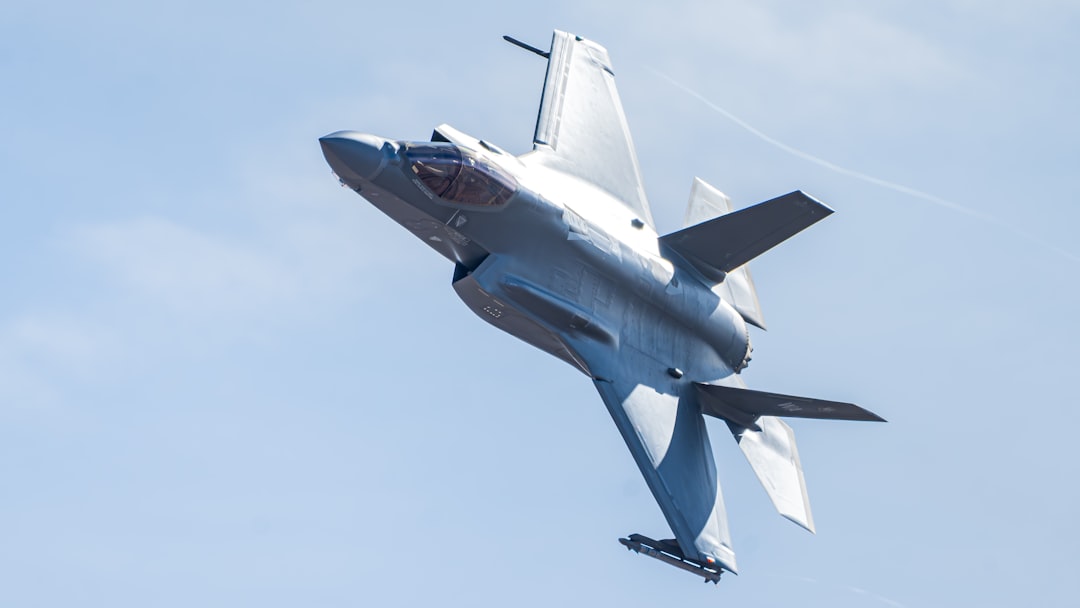
Lightning Speed: Supersonic Civilian Flights Move Toward the Mainland
The United States is stepping toward a future where lightning speed: supersonic civilian travel could once again glide above the continental United States. Regulators unveiled a twin-rule approach aimed at letting fast jets operate over land while protecting neighborhoods from noise and environmental impact. The move marks a structural shift in aviation policy and could unlock a wave of investment in aircraft makers, airports, and related services.
A Department of Transportation spokesperson described the initiative as a balancing act: speed for travelers, safety for communities, and a clear path for industry to design and certify new planes. The FAA proposed a rule establishing a noise-based certification framework for supersonic aircraft and signaled plans to publish a second rule later this year covering takeoff and landing noise. The objective is to give manufacturers concrete guidelines so they can finalize designs and bring capable machines to market for civilian use.
Public chatter around lightning speed: supersonic civilian travel has rumbled for years, but this week’s move translates concern into concrete regulatory steps. Officials emphasize that the rules will set measurable thresholds and oversight to ensure supersonic craft do not disrupt quiet neighborhoods or overburden communities near airports. As one DOT official put it: ‘We’re setting a track that respects safety, keeps communities at the center, and accelerates American innovation.’
The regulatory push comes with a dose of market anticipation. Aerospace suppliers, jet developers, and airport operators are weighing how a return to faster-than-sound flights could change demand for runways, hangar space, and maintenance capacity. While dates and specific costs remain uncertain, the prospect of lightning speed: supersonic civilian travel is stirring talk of new business models and consumer experiences for long-haul, cross-country, and even some regional hops.
What the Rules Do—and Why They Matter
The FAA and DOT frame the forthcoming rules as a two-step process. First, a noise-based certification standard would govern the overall sound profile of supersonic aircraft in flight. Second, a separate rule would address takeoff and landing noise, which has historically created concern in urban and suburban areas near major airfields. By separating these standards, regulators aim to address both airborne noise during cruise and ground-level disruptions during ascent and descent.
In practical terms, the rules would set performance and testing criteria that aircraft developers must meet before they can fly passengers over land. The certification regime would cover engine operation, the sonic boom footprint, and the overall acoustic signature of any prospective supersonic airframe. Regulators stress that compliance will hinge on advances in design, materials, and flight techniques that minimize ground noise without sacrificing speed.
Several officials framed the effort as a rare convergence of innovation and public policy. An FAA official underscored the concept of Mach cutoff, a technique that combines aircraft design, atmospheric conditions, and strategic flight levels to limit sonic booms near the ground while preserving higher-speed performance aloft. The idea is to unlock lightning speed: supersonic civilian travel without turning city neighborhoods into a perpetual thunderstorm.
What Travel Could Be Like for Consumers
While the new rules focus on how fast airplanes can go, they also set expectations for how travelers might experience faster air transport. If the rules take hold as envisioned, premium routes—such as coast-to-coast hops within the U.S.—could see flight times reduced relative to today’s subsonic schedules. Campaign advocates emphasize that the benefit is not just a badge of speed; it’s a potential reshaping of travel planning, business trips, and overnight commitments for families and professionals alike.

Industry analysts caution that the path from rulemaking to revenue-ready routes is long and capital-intensive. The price tag for developing, certifying, and certificating aircraft capable of sustained supersonic flight remains sizable, and airports require upgrades to handle higher-performance operations. Still, the market-facing promise is clear: lightning speed: supersonic civilian would be a tangible signal to travelers that faster travel is within reach again—without sacrificing safety or community well-being.
Financial Implications for Airlines and Suppliers
For investors, the regulatory momentum translates into a heightened focus on aerospace suppliers, engine developers, and airframe innovators. A longer runway for new technology could lift the stock of companies involved in noise-dampening materials, shock-wave management, and advanced propulsion systems. Equally important are the ecosystem plays—airports preparing for new kinds of traffic, maintenance networks upgrading tooling for new enginelines, and training programs for air traffic control to manage higher-speed operations efficiently.
On the consumer finance side, families and business travelers will watch for cost structures. Supersonic tickets, when they appear, are likely to come with a premium, given the technology, certification expenses, and the potential need for dedicated terminals or dedicated airspace. That said, ongoing price discipline among manufacturers and competition among providers could yield value propositions such as bundled loyalty offers or time-saving options that justify the premium for frequent travelers and corporate accounts.
Timeline and What to Watch Next
The administration and regulatory agencies aim to finalize both rules by mid-2027, a timeline that keeps market watchers busy with policy hearings, technical reviews, and industry pilot programs. In the near term, stakeholders will be watching for detailed rule text, safety assessments, and the results of any public comment periods. The plan to publish the second rule later this year—covering takeoff and landing noise—will be a critical milestone that could determine whether the broader program gains political and financial traction.

Officials emphasize that the work remains iterative. In addition to technical hurdles, community engagement and environmental reviews will shape the pace of adoption. The aviation sector, coupled with real estate and infrastructure developers, will need to align on how to integrate new aircraft into existing networks without creating new sources of disruption.
Market Sentiment and Investor Takeaways
Early market signals show cautious optimism. Aerospace manufacturers and engine suppliers have been buoyed by chatter about a policy path that could unlock large-scale R&D funding and multi-year production programs. Analysts note that any investment thesis around lightning speed: supersonic civilian travel will hinge on regulatory certainty, reliability, and demonstrable noise management in real-world operations.
From a personal-finance angle, household budgets could feel the indirect effects as airlines and suppliers invest in capacity and testing. While premium fare dynamics remain uncertain, the potential for job growth in engineering, airfield services, and air traffic technology could provide a tailwind to regional economies near major hubs. As with any high-velocity industry, the landscape will shift quickly if a setback or delay arises, potentially tightening liquidity for some players and opening doors for others with robust partnerships and diversified portfolios.
Bottom Line for Travelers and Investors
The shift toward lightning speed: supersonic civilian travel signals a watershed moment for U.S. aviation policy and the broader economy. By setting a noise-based certification standard and planning a second rule for takeoff and landing noise, regulators are signaling a methodical path to a faster future. For travelers, the promise is shorter trips and the possibility of more efficient scheduling; for investors, a broader canvas of opportunities in design, manufacturing, and aviation services.

As the process moves toward a mid-2027 finish, consumers should stay tuned to updates from the FAA and DOT and listen for details on cost, routes, and operational constraints. The next wave could redefine the way Americans think about time in the air—and the way money flows through the aerospace and travel sectors. In this moment, lightning speed: supersonic civilian travel is less a dream and more a policy horizon that could reshape how people plan their lives and how money moves through the skies.
Key Takeaways in Brief
- Two new rules would govern supersonic travel over land: a noise-based certification and a separate takeoff/landing noise standard.
- Finalizing the rules is targeted for mid-2027, with a later in-year release for the landing/takeoff rule.
- Supersonic flights travel at Mach 1 and above (roughly 770 mph and up) versus typical subsonic airliners at 550-600 mph.
- Expect significant investment in aircraft design, engines, airports, and related services if the policy advances.
- Public concerns on noise and environmental impact remain a central focus of the regulatory process.
What This Means for You
If lightning speed: supersonic civilian becomes a reality, travelers could choose faster options for long, time-sensitive trips within the United States. For households, this could translate into more flexible business travel and potentially altered budgeting for premium fares. For investors, the story centers on the pace of regulatory approvals and the velocity of product development across aerospace and infrastructure sectors.
In short, the United States is moving toward a future where speed meets safety, and the result could be a new era of travel on a scale that few imagined a decade ago. Lightning speed: supersonic civilian is no longer a distant fantasy; it is increasingly on the regulatory radar—and on the financial radar as well.


Discussion