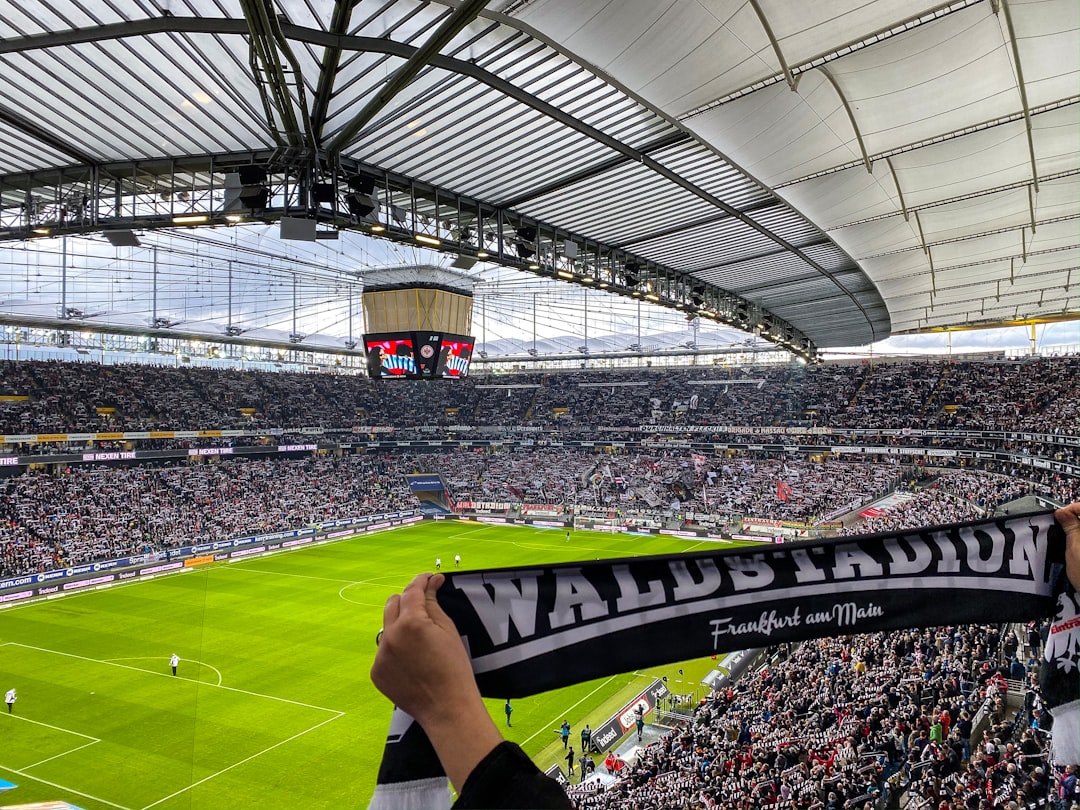
World Cup Sticker Fever as U.S. Hosts 2026
As the 2026 World Cup arrives in North America, a familiar ritual returns to the shelves of hobby shops and online retailers. Collectors race to complete Panini sticker albums, turning a season into a test of budgeting and patience for families across the United States.
For many fans, world begins with the first pack, a line heard in stores from New York to Los Angeles. The hobby has shifted from a niche pastime into a measurable consumer trend, with analytics firms noting rising demand as kickoff nears.
Budgeting for a World Cup Sticker Kickoff
Families are treating sticker collecting as a seasonal project with a clear budget. A standard 5-card Panini pack sells for about $1.50-$2.00 in many U.S. retailers. A starter album runs around $12-$18, depending on edition, while a complete set of common stickers can cost roughly $25-$50 to assemble.
- Average total to complete a basic set: $30-$60, with extra for deluxe editions or international squads.
- Rare inserts and prized stickers can fetch higher prices on resale platforms, ranging from $5-$25 for most rarities and $50-$200 for top-tier inserts.
- Seasonal spending: many families allocate a modest budget of $20-$60 during the World Cup window, often funded by small weekly savings or coupons.
Retailers and hobby shops report the same pattern: a front-loaded burst of buying as the tournament nears, followed by a steadier cadence through the knockout rounds. Parents often balance the sticker habit with other summer entertainment costs, making it a practical entry point into family budgeting around major sports events.
Market Trends and Economic Signals
Analysts note the U.S. market for Panini stickers is expanding as the World Cup lands on home soil. MarketPulse estimates that the United States now accounts for roughly a quarter of North American sticker sales, up from about 18% a year earlier. That shift reflects stronger distribution networks, more mass-market availability, and a broader base of collectors among teens and adults.
Online marketplaces have become a barometer for demand. In May 2026, listings for near-complete sticker sets rose sharply, with volume up 28% month-over-month on major platforms. Auction data points to a widening gap between common sets and rare inserts, with early-bird buyers paying a premium for highly sought-after cards.
Industry voices emphasize that the trend has real budgeting implications for households. A cycle of buying, trading, and sometimes selling creates a small, repeatable cash flow that families can tap into if they treat it like a hobby investment rather than a spontaneous splurge. As one retailer put it: this is as much about habit formation as it is about collecting.
What’s Driving the U.S. Uptick
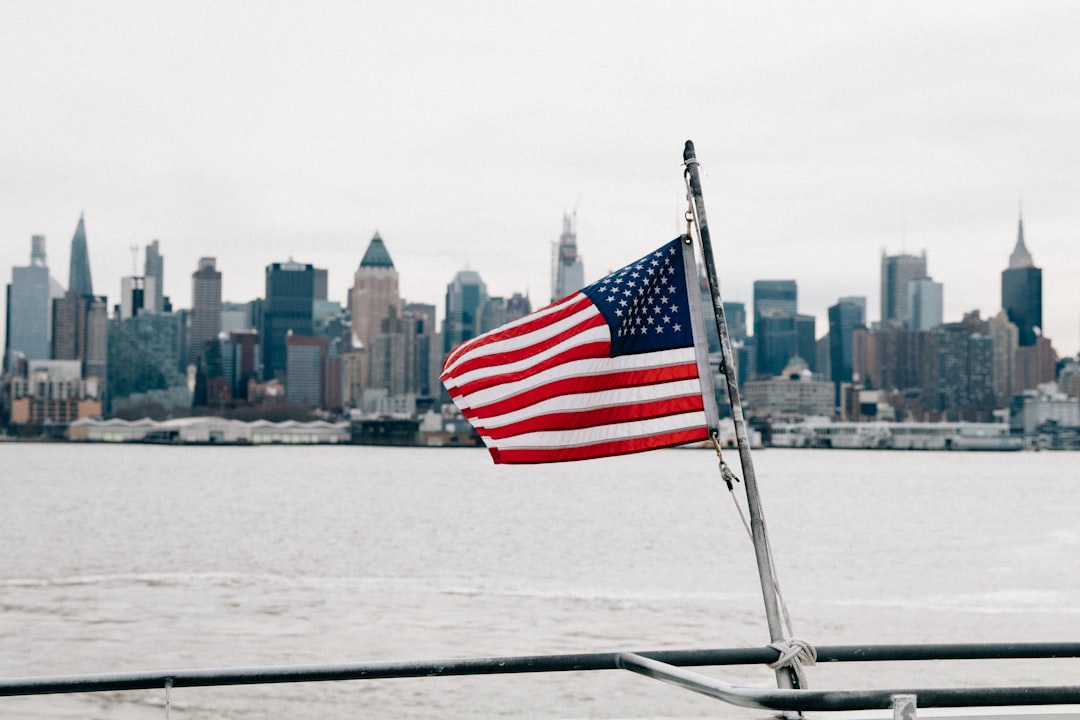
The 2026 World Cup is a powerful magnet for fans who want to celebrate with tangible keepsakes. The U.S. footprint—larger stadium crowds, extended viewing windows, and a stronger retail ecosystem—helps make sticker collecting more than a pastime. It becomes a seasonal activity that ties into kids’ savings goals, family budgets, and even small-business revenue cycles for local shops.
Experts point to several accelerants specific to the United States:
- A broader immigrant and multilingual community that keeps international hobby practices alive, including pan-European and Latin American sticker traditions.
- A growing culture of secondhand resale and swap meets that make rare stickers more accessible to younger fans.
- Digital aids, such as checklists and price trackers, empowering collectors to monitor value and avoid overspending.
Impact on Retailers and Local Economies
Brick-and-mortar toy and hobby shops report stronger foot traffic during spring and early summer as families prepare for the World Cup. Chains and independent stores alike are adjusting inventory, offering bundle deals, and running sticker-focused events to drive engagement. The effect goes beyond hobby shops: convenience stores and supermarkets have begun featuring Panini displays, nudging casual shoppers to buy a pack or two while picking up groceries.
Small businesses are also benefiting from a longer sales cycle. Some shop owners host weekly swap nights, a strategy that keeps customers returning and creates a social atmosphere around the hobby. In a few cities, these events double as informal budgeting workshops, teaching families how to allocate funds for seasonal hobbies without compromising essential expenses.
How Fans Can Join the Wave Without Breaking the Bank
The sticker trend offers a practical entry point for families looking to combine sports enthusiasm with disciplined spending. Experts recommend three core habits:

- Set a clear cap on total sticker-related spending for the World Cup window and stick to it, no matter how enticing a rare insert seems.
- Use price-tracking tools and local swaps to maximize value; compare online listings with in-store bundles before buying single stickers.
- Consider a group approach with friends or classmates—swap duplicates, share costs for deluxe editions, and create a mini collectors’ club for accountability.
For many fans, the ritual of sticker collecting dovetails with financial literacy for kids. It teaches budgeting, goal setting, and the patience needed to wait for a complete set, turning a game into a practical life lesson that sticks beyond the World Cup.
Bottom Line: The World Begins for Many Fans Through Stickers
The sticker phenomenon is more than a nostalgic pastime; it’s a measurable economic activity that aligns with how households plan around major sports events. With the 2026 World Cup in full swing across North America, many families are discovering that the world begins not at kickoff, but with the first roll of a pack. This season’s sticker cycle blends culture, commerce, and budgeting in a way that could redefine how fans engage with the game—and their own wallets.
As the market evolves, retailers, collectors, and families will watch how the balance between hobby demand and responsible budgeting holds up through the knockout stages and final. If current trends hold, the 2026 World Cup could become a defining moment for Panini stickers in the United States, shaping spending habits for years to come.
Discussion