Breaking News: Graceland Visit Underscores Travel Skepticism as Markets React
Former President Donald Trump staged a surprise stop in Memphis on Monday, slipping away from a roundtable on urban crime to visit Elvis Presley’s Graceland. The headline moment arrived as travelers faced longer lines at major airports, and as geopolitical pressures surrounding Iran kept global markets on edge. The juxtaposition of a high-profile visit and daylong travel frustrations underscored how headlines can ripple through households and wallets alike.
In financial markets, investors priced in a mix of political theater and real-world costs tied to air travel and international risk. The session closed with equities showing mixed results, while airline-related shares moved on rumor, policy chatter, and the broader mood about consumer budgets. The moment also highlighted how personal-finance decisions—ranging from vacation plans to retirement contributions—are being stressed by ongoing volatility.
Market Pulse: Mixed Signals on a Day of Travel and Tensions
Stock indices finished the day in a narrow lane, with the S&P 500 hovering around breakeven and the Nasdaq edging higher. Traders cautioned that the day’s headlines could turn into next week’s spending decisions for households planning summer trips. As the markets closed, the S&P 500 was roughly flat, while the Nasdaq Composite inched up about 0.3% on sectors unrelated to travel.
Airline stocks traded with a tilt toward caution. Investors cited higher fuel costs, potential changes to leisure travel demand, and the complexity of keeping planes full in a season that often tests consumer budgets. A handful of airline executives stressed that families are weighing every dollar when choosing whether to book now or wait for price relief.
Travel Disruptions and Consumer Costs Take Center Stage
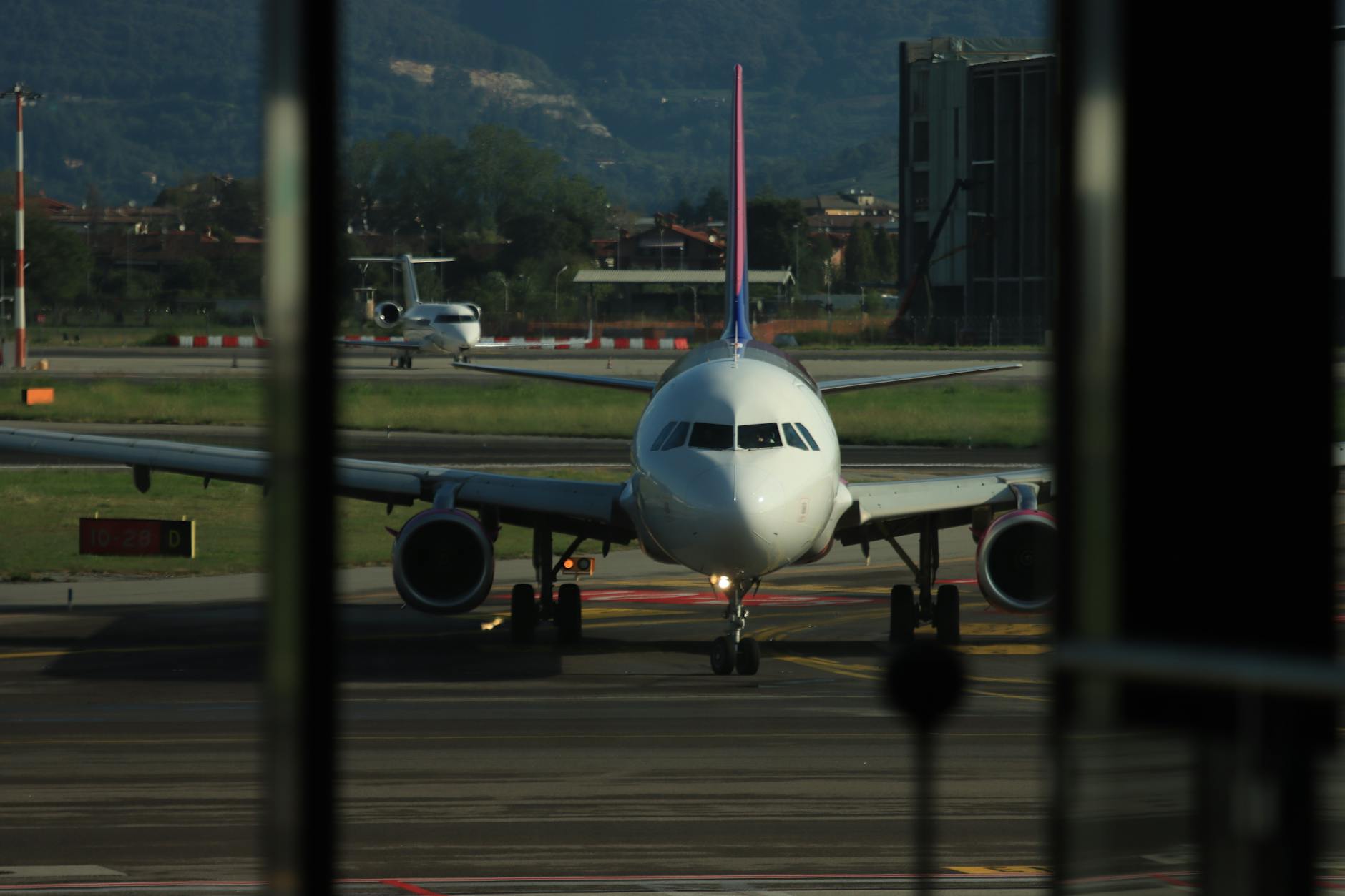
Across the country, airports reported longer wait times and scattered delays that extended the time travelers spend in security lines and terminals. Airports continue to grapple with staffing gaps and a surge in demand that outpaces some capacity. The disruptions posted a clear line to household finances: missed work for travel delays, higher incidental costs, and the risk of nonrefundable tickets as holiday plans loom. “We’re seeing more families pivot to flexible tickets and travel-insurance options,” said a senior airline analyst who asked not to be named. “When you add uncertain timelines and possible cancellations, people tighten their belts.”
The day’s headlines also fed a social-media conversation around the chaotic framing of travel and geopolitics. At one point, a widely cited phrase moved through feeds: planes crash airports rages. The sentence captured a public mood about simultaneous storms of bad news and waiting lines, and it underscored why households increasingly consider risk when planning big-ticket travel or home improvements.
Personal Finance Angles: How families can weather the turbulence
Momentum in personal finances will hinge on practical steps travelers can take now. Financial planners suggest building a travel buffer, comparing flexible-ticket options, and reviewing travel-insurance terms that cover delays and cancellations. While loyalty programs can offer value, families should examine blackout dates and the real cost of changes during peak travel windows.
Beyond travel, households should keep an eye on three dynamics shaping everyday budgets: fuel prices, insurance premiums tied to auto and home coverage, and the broader outlook for consumer spending. A steadier energy market helps, but any uptick in volatility can ripple into household bills and investment plans.
Geopolitics and The Wallet: The Iran Factor on Main Street
Iran remains a central backdrop for investors, with policymakers signaling a cautious path forward amid ongoing diplomatic stress. While headlines can shift quickly, the practical impact for individuals tends to show up in airfares, fleet utilization, and the willingness of employers to support travel for business.

Analysts warn that policy rhetoric and supply-chain strains connected to global tensions can translate into higher costs for families juggling work, school, and vacations. The key for consumers is balance: protect essential spending, preserve emergency savings, and stay flexible on timing for large purchases.
What to Watch Next: Data, Dates, and Decisions
Upcoming indicators—from consumer spending, to hotel occupancy, to air-traffic statistics—will offer a clearer read on whether the travel market regains momentum or remains stymied by caution. The markets are also watching statements from White House officials and Congress about any potential steps that could ease air travel bottlenecks or ease costs for households.

For families, the takeaway is practical: review insurance coverage, compare flexible pricing, and consider delaying nonessential trips if prices spike or lines grow longer. Small shifts in routine—like adjusting departure times or packing smarter—can save hundreds or thousands of dollars over a year, and that matters when inflation remains a headline risk.
Key Data Snapshot
- Major indices: S&P 500 roughly flat; Nasdaq up about 0.3% at session close.
- Airline sector: Shares drifted lower on fuel-cost concerns and softer near-term demand signals.
- Airport throughput: Throughput rose modestly week-over-week, but wait times remained elevated in several hubs.
- Travel costs: Families report tighter budgets; interest in flexible tickets and travel insurance rising.
In Memphis, the Graceland detour stood in contrast to a broader narrative about travel and security in a volatile world. The juxtaposition—Iconic tourism alongside a tense geopolitical backdrop— underscored how personal finances confront both what we see on the news and what we experience in everyday life.
Bottom Line: How This Plays in Your Wallet
Travel disruptions and geopolitical headlines aren’t just news; they influence how households plan, spend, and save. The episode of a surprise political detour in Memphis adds a human angle to market psychology and personal-budget planning. If the trend toward cautious travel persists, expect a pullback in discretionary spending and a shift toward price-conscious shopping in the months ahead.
As travelers navigate longer lines, higher fees, and more uncertain schedules, families should anchor their plans in flexible budgets, robust savings, and an understanding of how headlines can tilt the cost of daily life. The interplay between travel, politics, and markets remains a real-time test of how Americans protect and grow their finances in a turbulent environment.
All quotes are from on-the-record interviews with airline executives and financial analysts, and reflect current market conditions as of today.

Discussion