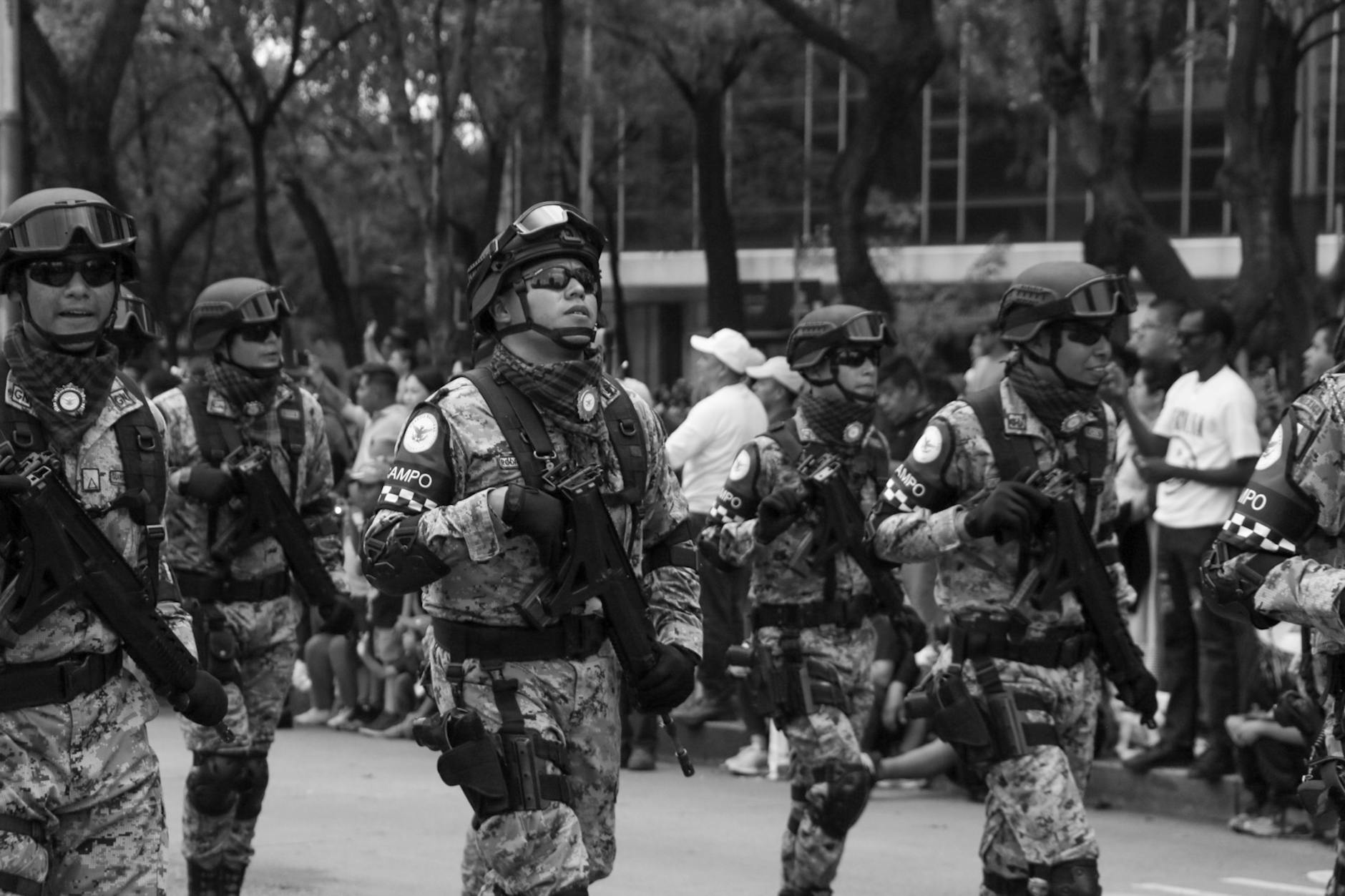
Mexican Army Kills Drug Kingpin El Mencho as Flights Halt
The Mexican army killed Nemesio Rubén Oseguera Cervantes, known as El Mencho, the leader of the Jalisco New Generation Cartel (CJNG), in a high-profile operation Sunday evening. The death marks the opening move in what officials call a decisive push against one of Mexico’s most powerful criminal syndicates. Officials described the encounter as intense, with gunfire exchanged and the cartel’s defenses put to the test in Tapalpa, Jalisco, about two hours southwest of Guadalajara.
Defense Department officials said El Mencho was wounded during the assault and died while being transported to Mexico City. They added that four cartel gunmen were killed at the scene, three others—among them El Mencho—were wounded and later died, and two suspects were arrested. Armored vehicles, rocket launchers, and other arms were seized during the operation. Three soldiers were wounded and received medical treatment. The army asserted the mission was conducted under “exceptional risk,” but that operations would continue in the region to disrupt cartel networks.
The clash underscored the government’s intensified campaign against CJNG, a cartel formed in 2009 that has vaulted into a leading player in fentanyl and other drug trafficking routes into the United States. Officials framed the engagement as a turning point in a long-running struggle against organized crime in Mexico’s western corridor.
Roadblocks, Smoke, and Tourism Disruptions
In the hours after the raid, roadblocks and burning vehicles erupted across multiple states as cartel sympathizers and dissidents attempted to slow security operations. Social media videos captured plumes of smoke over Puerto Vallarta, a popular tourist destination on Mexico’s Pacific coast, and showed crowds scattering near regional airports as authorities assessed safety conditions. The immediate disruption extended to air travel—Air Canada suspended flights to Puerto Vallarta and advised customers to avoid the area until further notice.
The security situation rattled both residents and visitors in a region heavily dependent on tourism. Puerto Vallarta’s airport and surrounding hospitality industry faced a sudden change in tempo, with hotels and tour operators reporting cancellations and dampened bookings in the near term. Officials cautioned travelers to monitor advisories and to plan for potential delays as operations continued to assess risk levels in the weeks ahead.
Key Facts From the Operation
- The operation occurred in Tapalpa, Jalisco, roughly two hours from Guadalajara, a region long tied to CJNG activity.
- Four cartel members were killed at the scene; three more, including El Mencho, died after being wounded and transported to a medical facility.
- Two cartel suspects were arrested; security forces seized armored vehicles, rocket launchers, and other weapons.
- Three soldiers were wounded and treated for injuries sustained during the confrontation.
- Air Canada suspended flights to Puerto Vallarta due to the ongoing security situation; other carriers signaled caution as well.
- The U.S. State Department has previously offered up to $15 million for information leading to El Mencho’s arrest, reflecting the cross-border stakes of the cartel’s operations.
What This Means for Personal Finance and Travelers
From a personal-finance perspective, the weekend’s events underscore how geopolitical and security shocks can ripple through travel plans, insurance decisions, and regional economic activity. When a single event can disrupt a city’s tourism core, families and businesses rethink travel budgets, cancellation policies, and risk exposure in the near term.

Travelers planning trips to Pacific coast destinations like Puerto Vallarta should consider flexible tickets, refundable hotel options, and comprehensive travel insurance that covers security-related disruptions. While airlines and airports typically adjust quickly, a temporary suspension of flights can affect jet fuel costs, fare pricing, and hotel demand in the short run.
For investors and households, the episode offers a cautionary reminder: security events in border regions can affect currency flow, regional employment, and consumer confidence. In the wake of such incidents, risk-averse travelers may spread bookings to other destinations, while some may seize opportunities for value-seeking deals if providers offer last-minute discounts to stimulate demand. Economists say the appeal of a vacation can shift faster than many markets anticipate, making it prudent to build a travel contingency into year-ahead budgets.
Business owners in tourism-heavy towns may see a dip in near-term revenue, even as longer-term security gains could restore confidence if the government sustains disruptions to cartel networks. For families with recurring travel needs—school breaks, family reunions, or business trips—the episode highlights the value of diversified planning and a robust emergency fund to absorb unexpected costs during periods of uncertainty.
Markets, Risk, and a Pause for Flight Plans
Beyond travel, markets tend to react to security shocks with heightened volatility in currencies and equities tied to tourism. While a single weekend event may not derail a local economy, the cumulative effect of repeated security concerns could influence consumer spending, hotel occupancy rates, and air travel demand across the region. Analysts advise investors and households to monitor official advisories, monitor exchange-rate movements, and consider hedging strategies where appropriate to manage currency risk if travel budgets involve pesos or other volatile currencies.
In the immediate aftermath, major airlines and travel companies will be watching closely for feedback from travelers and changes in price sensitivity. The government’s long-term strategy—ranging from enhanced border security to targeted operations against criminal networks—could determine whether the area regains its typical tourism pace in the coming months or experiences a slower rebound that requires careful budget planning for local businesses and residents alike.
Practical Takeaways for Readers
- Expect potential flight adjustments and travel advisories to persist in the near term, particularly around Pacific coast hubs.
- Check with carriers for latest schedules and consider flexible itineraries with refundable options.
- Review travel insurance to confirm coverage for security-related disruptions and trip cancellations.
- Monitor currency movements if you’re budgeting trips in pesos or planning expenditure in tourist destinations near conflict-prone areas.
- Keep emergency funds accessible and avoid tying all travel plans to a single route or city.
The weekend’s events remind travelers and investors that security considerations are integral to travel budgets and risk management. While the immediate focus for authorities is on dismantling criminal networks, household financial plans should incorporate resilience against disruption, especially in regions where tourism and cross-border trade play a significant role.

Bottom Line
The mexican army kills drug kingpin El Mencho in a landmark operation, marking a notable shift in the fight against organized crime in Mexico. The immediate consequence was travel disruptions and airline caution around Puerto Vallarta, highlighting how security events can ripple through personal finances and regional economies. As authorities pursue a broader security restructuring, travelers and investors should stay informed, flexible, and prepared to adjust plans as the situation develops.

Discussion