World Cup Makeover Draws Scrutiny as City Shines Too Bright
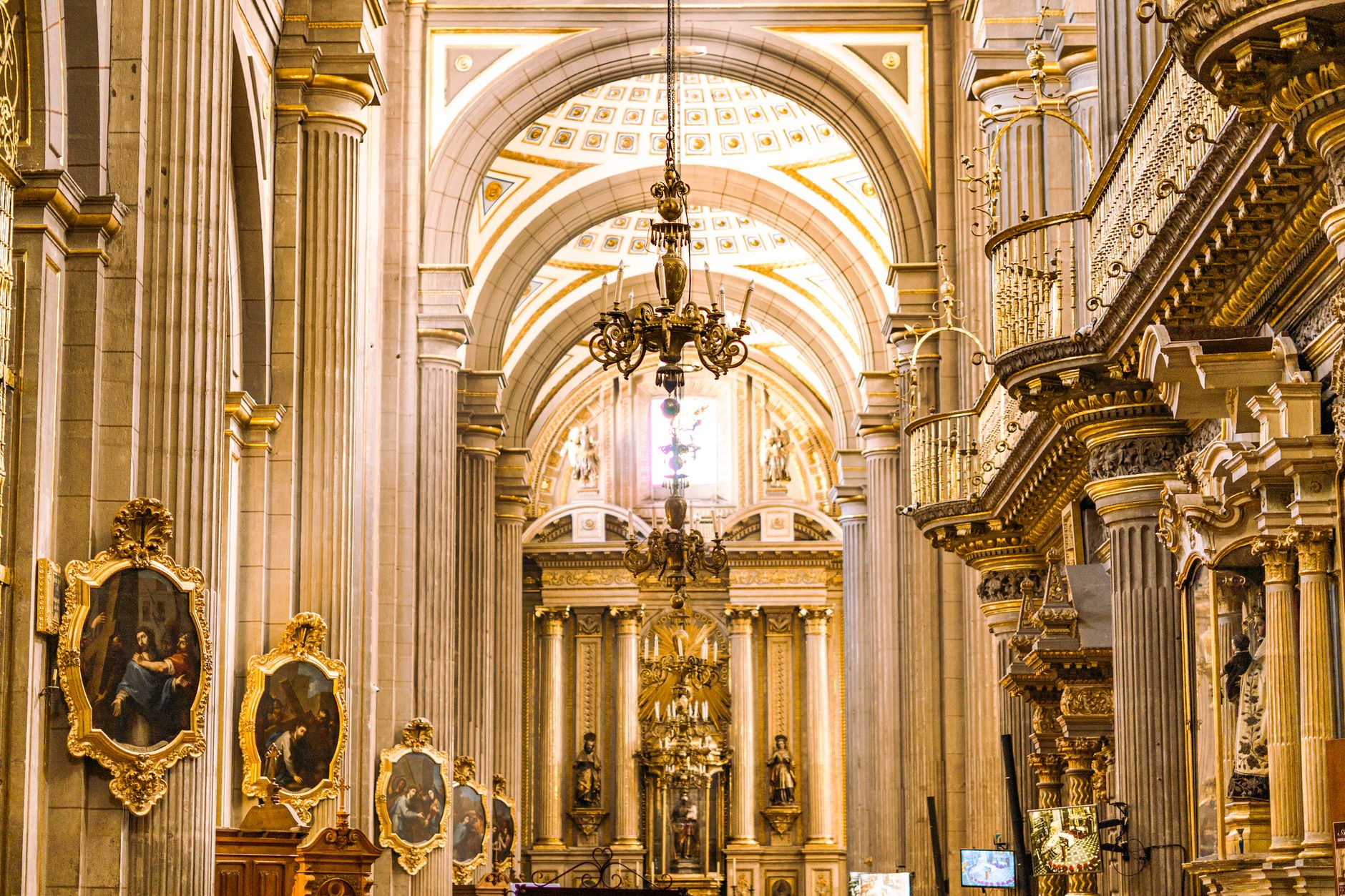
Mexico City rolled out a bold cosmetic refresh for the metro ahead of the 2026 World Cup, betting that a glittering entrance could welcome visitors and boost tourism. Installations include chandeliers by a busy Hidalgo station corridor and rows of ornate lamps meant to evoke a renaissance glow across a transit system that handles millions daily. The push comes as fans land in a city known for grit as much as grandeur, and it has quickly become the talk of social feeds.
Officials frame the project as a short-term lift for data-backed safety and rider experience in crowded hubs. Opponents argue the cosmetic blitz is a weather vane for budget priorities, a signal that aesthetics may trump fixes to crumbling stairs, unreliable escalators, and chronic maintenance gaps. The debate is intensifying as visitors stream in for the tournament, and memes about the makeover proliferate on local platforms. In online chatter, the phrase mexico city roasts chandeliers has become a rallying cry for critics who say the city is trading structural fixes for photo-friendly optics.
The World Cup Makeover: What Was Planned
The redesign centers on high-visibility corridors, including Hidalgo Station’s entrance, where a chandelier installation is meant to create a landmark moment for commuters and curious travelers. City workers also refreshed some metro cars with bright murals and added decorative lighting in transfer zones. Beyond the chandeliers, authorities painted several footbridges in purple and introduced Day of the Dead motifs as cultural branding for the capital during the event.
Officials estimate the cosmetic upgrade spans multiple transit nodes and takes place in the run-up to kickoff week. They describe the effort as a fast-moving project designed to modernize the city’s image while leveraging World Cup crowds to showcase Mexico City’s hospitality. Critics see it as a parallel to past efforts that prioritized showmanship over foundational fixes—an approach that can change perceptions but not potholes or service reliability.
Public Spending: Costs Versus Real Needs
- Estimated cost: roughly 800 million MXN ($40 million) for the broader stylistic facelift, with chandeliers and lighting components accounting for a sizable share.
- Funding mix: about 60% from municipal bonds and 40% from sponsorship and special-event funds tied to World Cup activities.
- Timeline: project work expected to extend through the early weeks of the tournament, with some touch-ups continuing after the opening matches.
City hall emphasizes that the investments are designed to pay dividends in safety, wayfinding, and tourism-driven revenue during a high-traffic period. Yet residents worry about opportunity costs. Local small businesses, transit riders, and housing advocates point to delayed maintenance and underfunded repairs in other neighborhoods. A skeptical rider who commutes through Hidalgo said, “We’re getting a brighter entrance, but the day-to-day reliability isn’t fixed.”
The debate isn’t just about a single installation. It’s about how metro maintenance budgets are allocated, how capital projects are prioritized during large events, and how long a spark of shine lasts in a sprawling city where structural needs have long outpaced capital improvements. Critics note that a city of Mexico City’s scale faces chronic challenges—from water pressure to elevator reliability—that no amount of decorative lighting can permanently fix.
Resident Reactions and Economic Implications
Public sentiment splits along lines of aesthetics, practicality, and personal finance. A May poll from a major local newspaper found that a slim majority of residents support some level of World Cup-driven enhancements, provided they come with tangible upgrades to everyday services. About 62% of respondents said they would pay attention to visible upgrades if they were accompanied by improvements in transit reliability and safety. However, 38% expressed concern that the city is spending too much on looks and not enough on repairs that affect commutes and the cost of living.
For households watching budgets, the key question is how these costs affect taxes, fares, and service levels. Analysts say that while new bond issues can spread costs across future years, the up-front price tag for cosmetic work could influence short-term fare adjustments or the pace of other maintenance projects. A local economist noted, “The city is balancing a debt-financed upgrade with ongoing operating costs. In the near term, that can mean higher financing costs or tightened belts on nonessential programs.”
People living in the capital’s most congested corridors say they want balance. “I’m thrilled to see a brighter station when I’m already dealing with late trains,” said a nurse who navigates Hidalgo daily. “But I also need reliable escalators, cleaned platforms, and real maintenance. Shine is nice, but it doesn’t remove the risk of a stalled elevator during rush hour.”
The World Cup spotlight adds another layer of pressure. The city expects a temporary uptick in transit-related tourism spending, dining, and hotel occupancy as fans descend on games across the region. Officials project a short-term boost to local businesses that could offset some of the upfront financing. Still, observers warn the longer-term payback hinges on whether the metro upgrades are sustained beyond the tournament and whether they are paired with durable fixes to chronic problems.
What This Means for Personal Finances in Mexico City
From a personal-finance perspective, the World Cup makeover raises themes familiar to urban households: how to prioritize discretionary spending when the city controls most of the levers for service delivery. Here are takeaways for residents and savers alike:
- Inflation and living costs: Even if the upgrade is funded through bonds and sponsorships, the city’s overall debt load may influence taxes or user fees over time. Households should watch for any changes to fare structures or maintenance charges that could appear in annual city budgets.
- Opportunity costs: Every dollar allocated to decorative upgrades could be redirected to structural repairs, safety upgrades, or flood-prevention measures. Families relying on reliable transit feel the impact when maintenance is deferred in favor of aesthetics.
- Tourism spillovers: Short-term boosts in tourism can crowd out local price pressures if those gains translate into higher wages or job opportunities in hospitality and services. For savers, the story is about whether tourism-driven revenue translates into wider economic gains or just a wage bump in a few sectors.
Analysts say the outcome will depend on the city’s willingness to pair visible upgrades with durable improvements. If the metro system remains a fortress of reliability after the World Cup, the current outlay could be viewed as a necessary investment in a city with global visibility. If, however, maintenance backlogs persist, residents may feel the pinch of higher costs without corresponding service gains.
Bottom Line: Glitz versus Grit — How Mexico City Will Be Judged
The conversation around mexico city roasts chandeliers is more than a design grievance. It is a lens into how the capital weighs short-term spectacle against long-term resilience. City officials insist the spectacle serves a strategic purpose: signaling a modern, welcoming image to international guests while investing in safety and navigation for everyday commuters. Critics retort that beauty pages over the budget’s most essential lines of defense—streets that remain pocked with potholes, stairs that buckle under heavy use, and a maintenance schedule that forces riders to navigate bottlenecks daily.
As the World Cup unfolds, the city will be watched for two outcomes: first, whether the upgrades deliver measurable improvements in rider experience and safety; second, whether the financial plan behind the spectacle passes the test of residents’ wallets and long-term infrastructure needs. If the project proves durable and well-integrated with ongoing repairs, it could become a case study in balancing city branding with practical governance. If not, the refrain will persist: that the capital spent on chandeliers may have shined in the moment, but did not illuminate the deeper, enduring work that keeps a megacity moving year after year.
Key Data Points
- Event: World Cup 2026; opening phases coinciding with major metro updates in Mexico City
- Facade improvements: chandeliers at Hidalgo corridor, decorative lighting upgrades across select lines
- Projected cost: ~800 million MXN (about $40 million)
- Funding: municipal bonds (approx. 60%), sponsorships and dedicated event funds (approx. 40%)
- Expected timeline: upgrades ramp up ahead of kickoff; some elements to be completed post-tournament
Whether mexico city roasts chandeliers is remembered as a clever branding moment or a missed opportunity will depend on the next rounds of investment in the city’s real infrastructure and how well the upgrades are sustained long after the World Cup curtain falls.


Discussion