
Indiana Tops 2026 Housing Scorecard, Setting the Pace
Indiana leads Realtor.com’s 2026 housing report cards with a total score of 76.3 on a 100-point scale, earning an A. The state combines strong affordability with robust homebuilding activity, lifting it three spots from last year’s rankings. In a market where mortgage rates linger near multi-year highs, Indiana’s performance stands out for buyers and builders alike.
The broader pattern proves durable: the Midwest and Southern states account for the vast majority of high marks, while the Northeast and West lag on affordability and supply. Market watchers are hearing a consistent refrain around the phrase midwest southern states dominate as the latest rankings circulate in industry circles.
"The regional split remains, but beneath the surface you see meaningful shifts—new leaders at the top and several states moving dramatically in either direction," said Joel Berner, Realtor.com senior economist. "That mix matters for buyers navigating record-high costs and for builders trying to plan supply across diverse local markets."
The Top Performers: Who Earned an A or A-
- Indiana — A grade, 76.3 points total. Median listing price: $295,810. Median household income: $71,469. Affordability: roughly 28% of median income, comfortably below the 30% threshold often used by analysts.
- Iowa — A grade. Median listing price: $282,886. Median household income: $75,991.
- South Carolina — A grade. Median listing price: $363,896. Median household income: $67,758.
- Texas — A- grade, reflecting a mix of strong activity and higher pricing. Median listing price: $364,749. Median household income: $76,585.
- North Carolina — B+ grade, illustrating solid demand with affordability still under pressure in some metro areas.
- Nebraska — B+ grade, tied to steady building activity and favorable income levels.
Across the board, the 2026 scores emphasize the balance between what buyers can pay and how many homes are being built to meet demand. Twelve of the 13 states earning the highest grades sit in the Midwest or the South, reinforcing a regional tilt in housing dynamics as the country navigates elevated mortgage costs and shifting urban growth patterns.
The Numbers Behind the Scores
12 of the 13 top-scoring states are in the Midwest or South, with no state earning an A+. - Affordability metric: half of each state’s score comes from how affordable homes are relative to local incomes.
- Construction metric: the other half reflects the pace of new-home activity, including permits and completions.
- Colorado, California, and the Northeast: continue to grapple with higher price points and slower relative affordability, even as some metros show pockets of strength in construction.
Indiana’s edge comes from a combination of a solid median income and an affordable median listing price for a state in growth mode. The Hoosier State posted a median listing price of about $295,810, while the typical household earns near $71,469 a year, translating into near-30% of income spent on housing—well under the often-cited 30% benchmark that defines a tax on budgets. The result is a state-ready for buyers and investors who want steadier balance in a volatile rate environment.

Meanwhile, Iowa’s numbers reflect a similar theme: a listing price just under $283,000 with income around $76,000 keeps housing within reach for many households. South Carolina, a former leader in the early part of the housing cycle, still posts a compelling combination of price points and income levels that support continued demand without overheating in most markets.
What This Means for Homebuyers in 2026
For buyers, the latest scorecard underscores a pivotal split: markets in the Midwest and the South continue to offer more breathing room than their coastal peers. Mortgage rates remain a central driver of budgeting decisions, with lenders and buyers recalibrating as rates persist above the 7% mark at times through the year. The result is a cautious but hopeful set of conditions in states where prices and incomes align to keep payments manageable.
Analysts caution that affordability isn’t uniform across the region. Texas, for example, posts a strong A- despite some of the higher median prices found in its largest metro areas. The state benefits from diverse economies and sizable housing stock, which helps stabilize price growth and keep construction robust even as demand shifts between markets like Austin and Dallas–Fort Worth and more affordable inland areas.
Aliyah Chen, a housing market analyst at a national consulting firm, notes that buyers should watch for local policy shifts and infrastructure investments that could tilt the scales further in the coming months. Chen says, affordability gains in large regional economies are often tied not only to wages and financing but to local supply constraints and zoning dynamics that governors, mayors, and developers are racing to address.
Regional Trends and Market Pulse
Looking beyond the top-tier states, the picture shows a more nuanced regional story. The Midwest continues to benefit from steady job growth, improved supply chains, and a manufacturing tailwind that supports wages and homebuying power. The South’s performance reflects a mix of affordable entry points in smaller metros and ongoing demand in growth corridors near metro hubs, where new subdivisions and mixed-use projects are expanding stock.
In contrast, the Northeast and West regions display a tougher affordability math, even as some coastal markets demonstrate resilience in rental demand and selective housing starts. For buyers, that means cross-market shopping remains essential, with a focus on those parts of the country where building activity keeps pace with demand and income levels, preventing sharp spikes in monthly payments.
The public’s sentiment around homeownership also appears to be shifting. Data from lenders and market trackers show buyers are prioritizing stability and predictability, a stance that benefits markets with strong job growth, accessible financing options, and a steady stream of new homes hitting the market. The goal for most buyers isn’t simply finding a home; it’s finding one they can comfortably finance while navigating competing offers in hotter markets.
Why the Shifts Matter for Builders and Local Economies
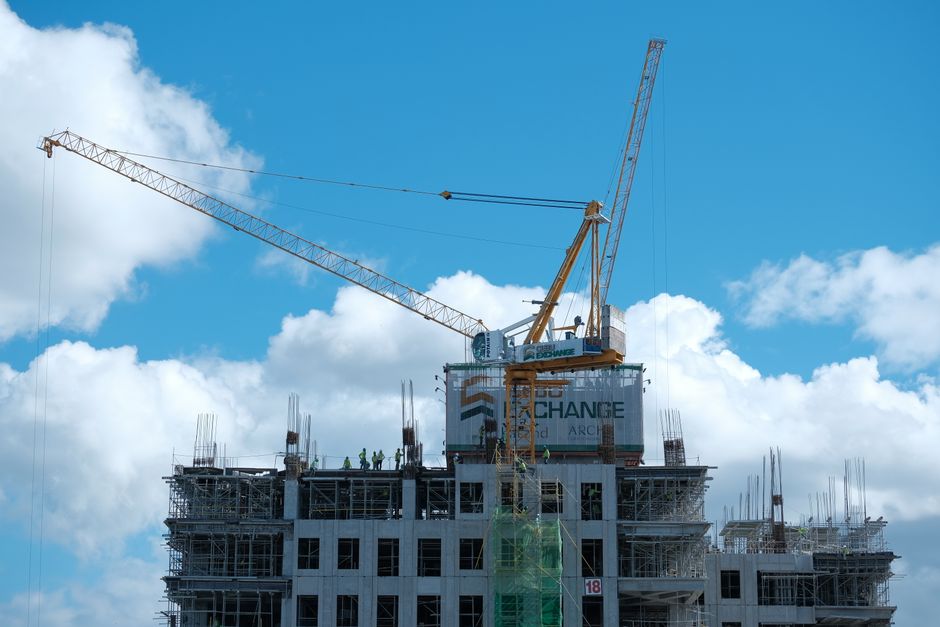
Builders are taking note of the scorecard’s signals. Regions with balanced affordability and a steady pipeline of permits and completions tend to attract more development, which in turn helps stabilize pricing and support longer-term demand. The Midwest and South, where the scorecard shows consistent momentum, may see continued construction activity as communities upgrade infrastructure and expand housing options near employment centers.
A senior economist at Realtor.com put it plainly: the regional patterns are not just about today’s numbers. They indicate where supply chains, labor markets, and local policy can align to meet the next wave of demand, potentially narrowing affordability gaps over time. That alignment, in turn, should influence where buyers look first when looking for a home that fits the budget and lifestyle they want in a post-pandemic housing market.
Methodology Snapshot: How the Scores Are Built
- Overall score: 0 to 100, combining affordability and homebuilding activity in equal parts.
- Affordability: based on the ratio of typical monthly housing costs to median income, controlling for regional cost-of-living variations.
- Homebuilding activity: measured by new listings, permits, and construction velocity in the state.
- Grading scale: no A+ awarded this year; top states range from B- to A.
- Scope: includes all 50 states plus the District of Columbia, with year-over-year changes tracked to reveal shifts in regional leadership.
The 2026 edition reinforces a straightforward takeaway for readers and market participants: midwest southern states dominate the housing conversation as affordability and supply dynamics evolve in a year shaped by higher financing costs and ongoing demographic shifts. For buyers weighing options across regions, the latest data provide a clear map of where price pressure is easing and where it remains a challenge, guiding decisions on where to look next as markets recalibrate in real time.
As the calendar turns toward the second half of 2026, the housing landscape will continue to respond to rate trajectories, wage growth, and urban policy changes. The ongoing balance between inventory and demand in the Midwest and South will likely shape the affordability narrative for many households, while the Northeast and West monitor government and lender programs intended to unlock more supply. In this environment, the midwest southern states dominate the discussion, highlighting a regional blueprint for steadier buying power and healthier construction momentum in the years ahead.

Discussion