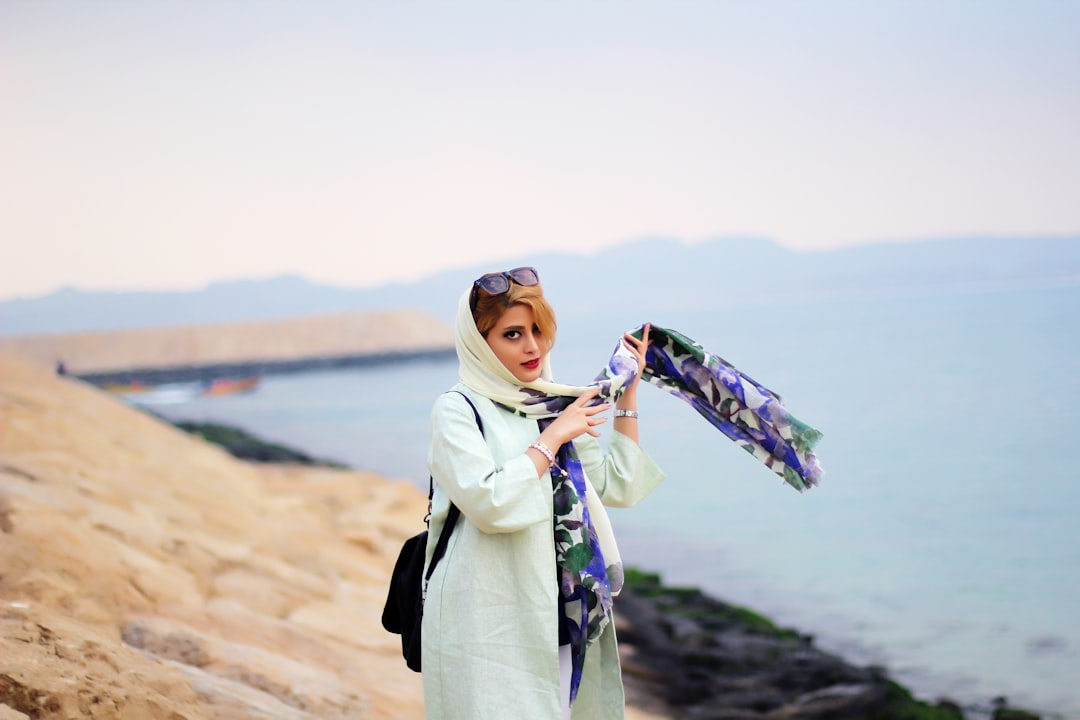
Displacement Surges as War Rages Across Borders
The latest estimates from the United Nations refugee agency place the number of people displaced by the conflict inside and around Iran at about 3.2 million. The figure underscores a mounting pressure on families, housing, and local markets just as sanctions, irregular fuel supply, and inflation squeeze household budgets. One senior official warned that more than million iranians could be forced to seek shelter or safety in coming weeks if fighting widens or persists.
In practical terms, families are trading distance for security. A hairdresser from Golestan province described weeks on the road to reach a border crossing with Turkey, hoping to reach a safer city such as Van. She recalls choosing to travel long hours and endure hardship rather than stay at home where strikes and unplanned outages disrupted work and income. For many, the choice is stark: stay and risk injury or leave and gamble on uncertain aid and shelter abroad.
UNHCR data show that the migration picture is mixed: some individuals cross borders seeking asylum or temporary protection, while others relocate within Iran to safer urban centers. The agency has also noted that, despite intensifying fighting, a substantial share of displaced Iranians remain in-country, often in temporary shelters or with relatives in neighboring provinces.
MENA regional experts say the sheer scale of displacement is testing already-strained public services, with schools, clinics, and water supplies feeling the pressure in communities that absorb new residents every week.
Personal Journeys Highlight the Human Toll
Photographs and interviews detail a fragmented picture of resilience and risk. In the border towns, families gather outside clinics and food centers, while others try to secure a spare room or a tent at overcrowded camps. A woman who said she is a small business owner in a border town described the cost of survival: rising prices for basic goods, irregular work hours, and a widening gap between wages and living costs.
At a Turkish crossing, a 32-year-old barber from another province explained that crossing the border offered temporary safety for his family, but the path remains uncertain should the war widen. He noted that the journey itself is expensive and exhausting, and that border economies struggle to absorb new residents who require work and schooling. Some families, he added, are forced to choose between sending remittances abroad and supporting relatives at home.
In interviews across cities near the border, people repeatedly cited a key concern: the money they earn back home is losing value as the currency fluctuates and inflation climbs. The result is a slow drain on savings and a heavier reliance on informal credit networks, where terms are opaque and repayment terms can be punitive in a crisis environment.
Economic Strain on Households and Local Markets
The displacement crisis is not only a humanitarian issue; it is a homegrown financial challenge for families and businesses alike. Local shopkeepers report thinner profit margins as customers downsize purchases, skip nonessential items, and shift budgets toward essentials like fuel, electricity, and rent. For households with members living in both Iran and neighboring countries, remittances and cross-border spending become part of daily budgeting, a rhythm that becomes unstable when borders tighten or visa rules shift with changing security concerns.
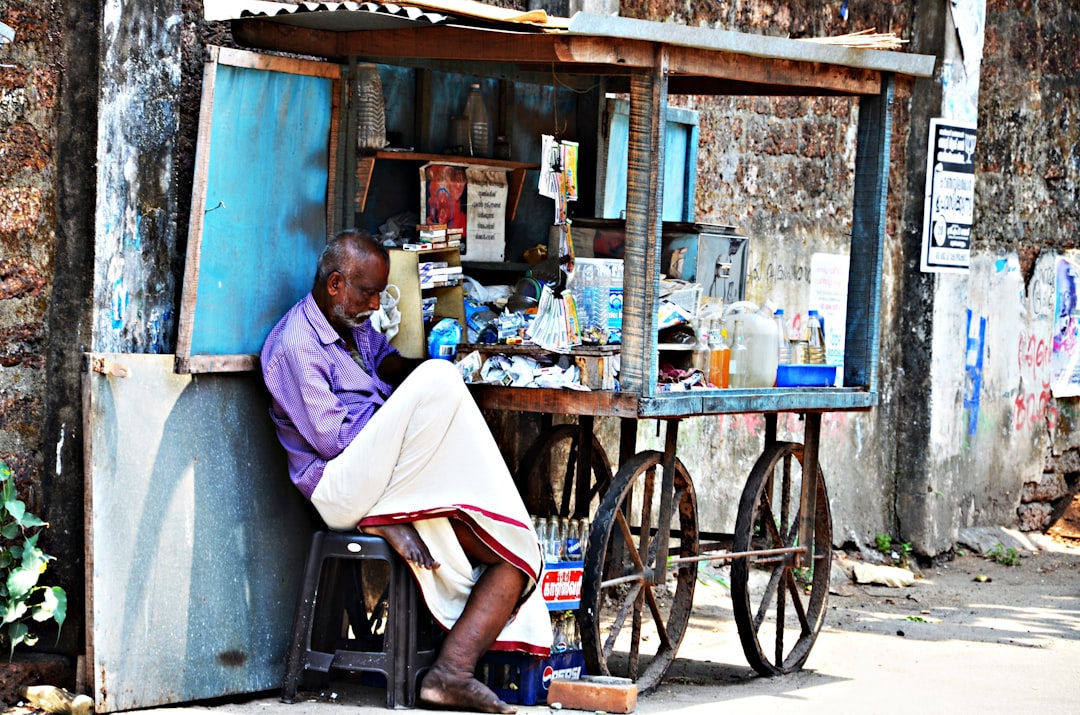
Rising transport costs, rent inflation, and higher prices for staple foods ripple through family budgets. Small businesses near border towns say they are forced to adjust pricing, often passing costs to consumers who already face tighter wallets. A Tehran-based economist describes the period as a turning point for personal finances in many households, where savings are stretched thinner and debt levels rise as families bridge gaps between income and needs.
The phrase more than million iranians keeps appearing in policy briefings and roundtables as analysts emphasize the scale of the disruption. The continuous churn of displacement means families frequently rework budgets, plan around uncertain income streams, and reassess where to live or work in the months ahead.
From Hopeful Crossings to Wary Returns
Border dynamics are delicate. Some Iranians are exploring options to relocate temporarily across borders or within safer parts of Iran, while others remain in place awaiting a possible end to hostilities. In some cases, families return from abroad to fortify homes and support relatives, even as fighting persists. Officials caution that the longer the war lasts, the more likely it is that regional travel corridors and humanitarian corridors will be strained or redefined.
For instance, a resident who planned a life abroad changed course when conflict intensified in the early months of the year. She decided to stay, explaining that family medical needs and the costs of relocation outweighed the perceived safety of leaving. Her story mirrors a broader pattern: decision-making becomes more complex as security, employment, and housing arrangements shift with the tides of conflict.
Policy Questions and the Risk of a Migration Crunch
Neighboring countries and European partners are watching closely. Border governments fear a sustained surge in asylum seekers, irregular migration, and the long tail of humanitarian needs that accompany mass displacement. Officials in several capitals say contingency planning is underway, including streamlined asylum processes, expanded shelter capacity, and financial aid to host communities facing the extra pressure of new residents.
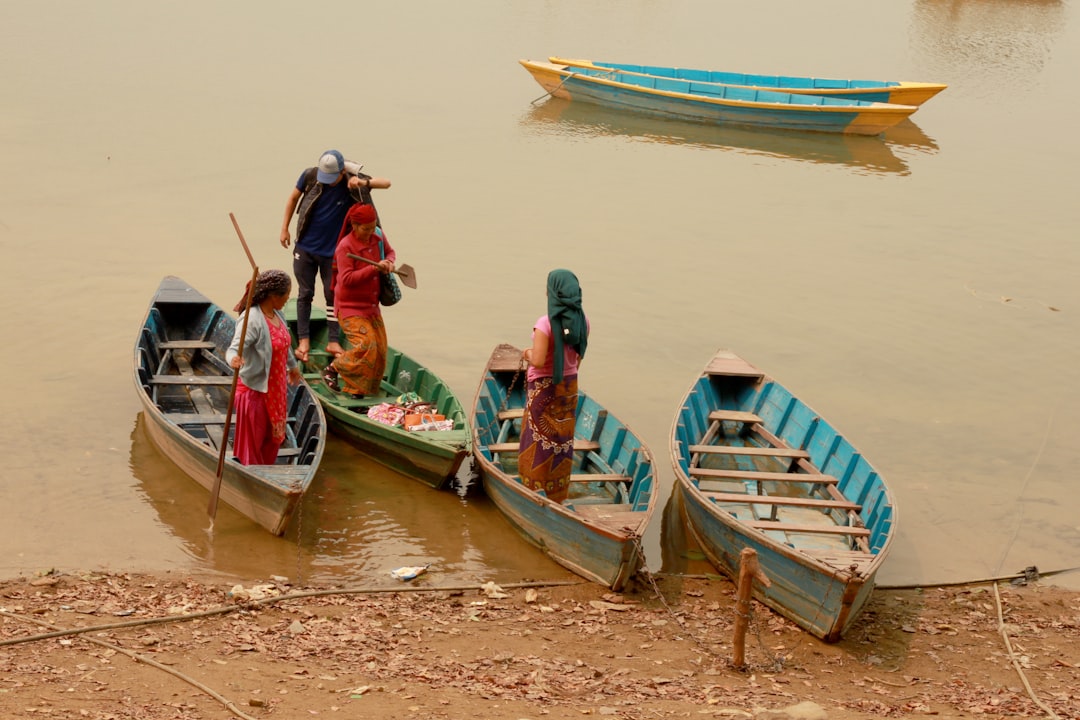
Analysts caution that the immediate policy answer is only one part of a longer-term risk: if displacement endures, host economies will face persistent demand for jobs, schooling, healthcare, and social services that could strain budgets and public finances. While international aid can blunt some of the impact, the scale of displacement means that both Iran and its neighbors must prepare for months, not weeks, of pressure on households and communities.
What This Means for Families and Markets
For families, the displacement crisis translates into a changing financial landscape. Some households rely on emergency savings, while others tap informal lending networks with high interest and unclear terms. The need for reliable income streams becomes more urgent as the risk of sudden job loss or interrupted contracts grows across sectors like retail, services, and small manufacturing.
Market watchers note how currency fluctuations and import costs influence prices for everyday goods. When the national currency swings, families struggle to forecast expenses, plan meals, and allocate funds for education and healthcare. In border towns, vendors and transport operators are adjusting schedules and prices to reflect shifting demand and the cost of moving people and goods across uneven terrain and complicated logistics.
Data At a Glance
- Displacement tally: about 3.2 million people, according to current UN estimates.
- Daily border crossings: roughly 1,300 Iranians have been leaving via Turkey on average since the conflict began; many days see more people returning than leaving.
- Distance traveled by some evacuees: nearly 1,500 kilometers (932 miles) to reach a border crossing for safety.
- Scale of impact: the crisis has permeated households, schools, clinics, and small businesses across Iran and into neighboring countries.
Looking Ahead
As March 2026 progresses, analysts caution that the trajectory of displacement will depend on ongoing military developments, humanitarian access, and regional diplomacy. If fighting continues to flare or widen, the market and household stress could intensify in the near term, with implications for inflation, remittance flows, and social stability across border regions.
In conversations with families, a common thread remains: the search for safety is inseparable from the need to secure a basic budget. The disruption is not just about where people live; it is about how families feed themselves, educate their children, and plan for medical care in a crisis that shows little sign of a quick resolution.
Bottom Line
For more than million iranians and their communities, the path forward is uncertain yet crowded with decisions about safety, finances, and long-term resilience. As displacement persists, the world will watch how Iran, neighboring states, and international partners balance humanitarian needs with economic stability in a volatile region.
Discussion