
Markets React as Mortgage Rates Fall Below 6% Threshold
The 30-year fixed mortgage rate dipped to 5.98% in Freddie Mac's weekly survey, marking the first time the rate has fallen below 6% since 2022. The move comes alongside easing inflation readings and a steady labor market, fueling optimism among home buyers and lenders alike.
Analysts say this shift could alter the math for buyers and refinance candidates. Mortgage rates fall below a psychological barrier that has constrained affordability for years, prompting some lenders to reintroduce or expand incentives for new borrowers.
"This is a meaningful shift for affordability, and it could help unlock demand as the spring market picks up steam," said Dr. Elena Ruiz, chief economist at MarketPulse Analytics. "If rates hold near this level, we could see more first-time buyers re-enter the market and fewer homeowners delaying moves."
How Buyers and Refinance Seekers Are Responding
With rates inching lower, prospective buyers are recalibrating budgets and contingencies. Real estate agents report growing interest from buyers who had paused purchases while rates hovered above 6% for much of the past year.
Refinance activity has also picked up modestly, especially among borrowers who took advantage of cash-out options before rising home values cooled. Yet lenders caution that rate margins and underwriting standards remain selective, particularly for borrowers with thinner credit profiles.
"Mortgage rates fall below 6% is not a silver bullet, but it does expand the options for households that saved for their down payment but were sidelined by higher monthly payments," said Marcus Adler, a housing policy analyst at the Center for Economic Insight.
Lenders Adjust Programs as Demand Returns
Banks and nonbank lenders have begun adjusting pricing structures to capture the initial wave of demand. Some lenders are revisiting down payment assist programs and rate-and-term refinances that were paused during the rate spike.
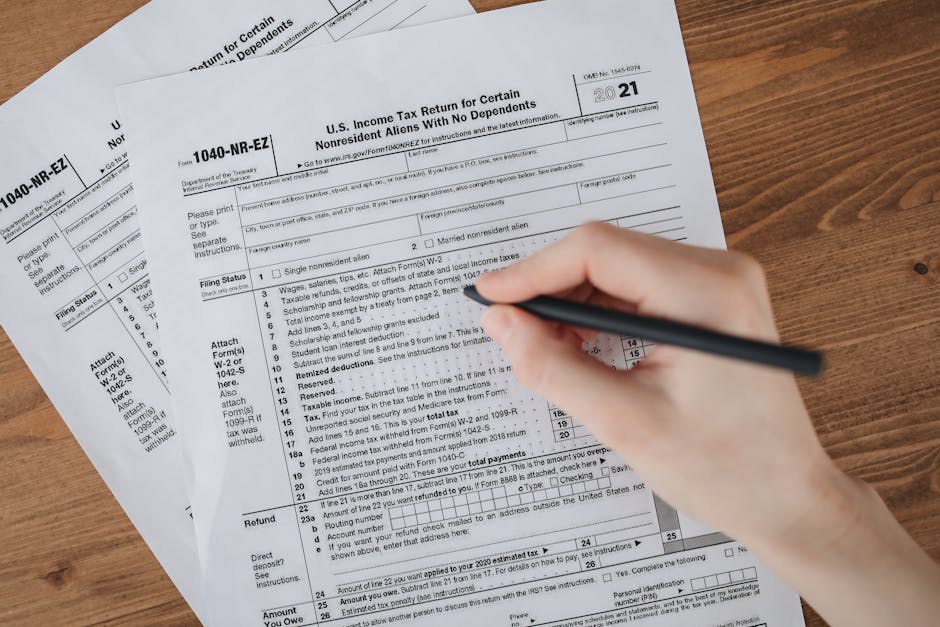
While the headline rate is below 6%, the true cost to borrowers still depends on loan-to-value, credit score, and points paid at closing. Prospective buyers should run the numbers with a lender to determine how points, closing costs, and escrow items affect monthly payments.
Economic Backdrop: Why the Move Is Happening
Inflation has cooled faster than some economists anticipated, helping long-term rates ease back toward the 6% threshold. At the same time, job growth has remained steady, supporting consumer confidence and household savings that can fund down payments and closing costs.
The Federal Reserve's policy stance plays a critical role. Traders expect the central bank to proceed cautiously, avoiding abrupt shifts that could destabilize housing markets. If labor data stays solid but inflation eases, markets could keep prices in the 5.9% to 6.2% range for several weeks.
What to Watch Next
Experts caution that a lot hinges on the pace of inflation, wage growth, and new housing supply. Even with rates below 6%, affordability challenges persist for high-priced markets and buyers with limited down payments.
Key questions going forward include whether the trend can be sustained through the spring selling season, and how lenders respond to a potential uptick in demand. If the momentum continues, mortgage rates fall below the 6% line could become a more frequent occurrence in the upcoming months.
Data Snapshot
- 30-year fixed rate: 5.98% (Freddie Mac PMMS, week ending Feb 26, 2026)
- 15-year fixed rate: 4.45% (Freddie Mac PMMS)
- Average loan points: 0.6
- MBA weekly mortgage application index: up ~6% week over week
- Estimated monthly payment on a $350,000 loan at 5.98% vs 6.25%: changes of roughly $65-$110 depending on down payment and taxes
Bottom Line
As mortgage rates fall below the 6% barrier, hopeful home shoppers face a more favorable pricing landscape. The question for buyers and refinancers is whether this momentum holds through March and beyond. If lenders keep pricing competitive and inflation remains tame, the spring market could gain real traction with more households taking steps to buy or refinance.

Discussion