
Introduction: A Cautionary Tale for Every Nail Technician Applicant
When people decide to pursue a nail technician license, they often assume the hardest part is mastering the art and passing the exam. But behind the scenes, a different kind of risk can appear in ordinary steps like paying licensing fees. A real-world case from a state licensing office shows how simply sending a money order can turn into a financial nightmare if someone with access to the process tampers with payments. This article breaks down what happened, why it matters for nail technician applicants sent money orders, and practical steps you can take to protect yourself and recover losses if fraud strikes.
In this discussion, we explore how a licensing office mishap—exploited by a state employee—could affect anyone applying for a nail technician license. The goal is to help you understand the mechanics of the issue, spot warning signs, and implement concrete safeguards so you don’t become a victim. The focus is practical: it’s about your money, your paperwork, and your peace of mind as you work toward a new career in beauty.
What Happened: The Mechanics Behind the Fraud
In a case tied to a West Virginia licensing board, a longtime administrative assistant who handled nail technician and cosmetology licensing duties faced serious consequences for altering money orders submitted with applications. The core problem wasn’t a single mistake; it was a deliberate manipulation of the payment stream for licensure. The employee, who worked within the state’s Board of Barbers and Cosmetologists, diverted application payments that should have gone into the official licensing process and instead used them for personal purposes.
Key elements of the situation included:
- Multiple money orders submitted by licensure applicants were deposited by the employee rather than flowing through the normal, auditable licensing-fee channel.
- One money order was reportedly altered to replace the intended payee’s name and address with the employee’s mother’s name and address, without the mother’s knowledge or consent.
- The scheme involved at least 20 money orders, totaling $1,855, over a period spanning several years, with deposits occurring between 2019 and 2021.
- The person responsible eventually faced legal action and was ordered to serve federal probation and provide restitution to the affected funds.
It’s important to note that this story is a documented example of how a crime can unfold within the licensing process. The broader lesson for nail technician applicants sent money orders is that the payment trail matters—receipts, chain-of-custody, and official processing paths can make a big difference in preventing loss or misdirection of funds.
Why Money Orders Are Common—and Where They Create Risk
Money orders are a familiar, widely accepted method for paying licensing fees in many states. They offer a simple, verifiable way to transfer funds, especially when online payment options are limited. However, using money orders can introduce unique risks if the payment trail isn’t handled carefully. The main vulnerabilities include:
- Misaddressed or altered payees: If someone has access to the payment stream, they may alter names or routing details, creating confusion or enabling misdirection of funds.
- Copying or misplacing receipts: Without proper documentation, it can be hard to prove which payment belongs to which applicant, especially during busy periods.
- Delayed or hidden deposits: Funds deposited outside official channels can escape routine audits and reconciliation, making detection harder.
- Inadequate segregation of duties: When one person handles both applications and deposits, there’s a higher risk of misappropriation.
For nail technician applicants sent money orders into the licensing process, these risks underline the importance of robust controls and clear, auditable processes that separate application handling from fee processing.
Protecting Yourself: Practical Steps for Nail Technician Applicants Sent Money Orders
The core goal is straightforward: ensure your payment is correctly processed, traceable, and auditable. Here are practical steps you can take as you pursue a nail technician license.
1) Confirm official payment channels before you pay
- Visit the state licensing board’s official website and verify accepted payment methods for nail technician licenses.
- If the site lists multiple options (online portal, mail-in payments, in-person offices), choose the option with the strongest audit trail and receipts.
- Avoid informal requests for money orders outside the official channels.
2) Document every payment attempt
- Fill out a payment log that records the applicant’s name, license type, date of payment, amount, payment method, and reference numbers.
- Keep digital photos or scans of each money order, plus the front and back of any receipts or stubs.
3) Preserve receipts and confirmations
- Obtain a formal receipt from the payee that identifies the applicant, license type, and payment amount.
- Request a transaction number or confirmation that you can reference if the license status changes.
4) Reconcile with the official ledger
- Periodically compare your records with the licensing department’s fee ledger or annual reports when they’re publicly available.
- If you notice a discrepancy, contact the board immediately with your transaction details.
5) Use traceable, reputable mailing options
- When mailing money orders, use trackable services and insured delivery where available.
- Ask for a dated, stamped receipt from the licensing office that acknowledges receipt of your funds.
6) Watch for red flags in communications
- Unsolicited requests to re-submit payments, changes to payment instructions, or urgency to pay outside official channels can signal a problem.
- Always verify phone numbers and email addresses against the board’s official site; scammers often imitate official branding but use slightly altered contact details.
What To Do If You Suspect Fraud
Discovering that a payment you sent could be compromised is stressful. The sooner you act, the better your chances of protecting yourself and potentially recovering funds. Here’s a practical action plan.
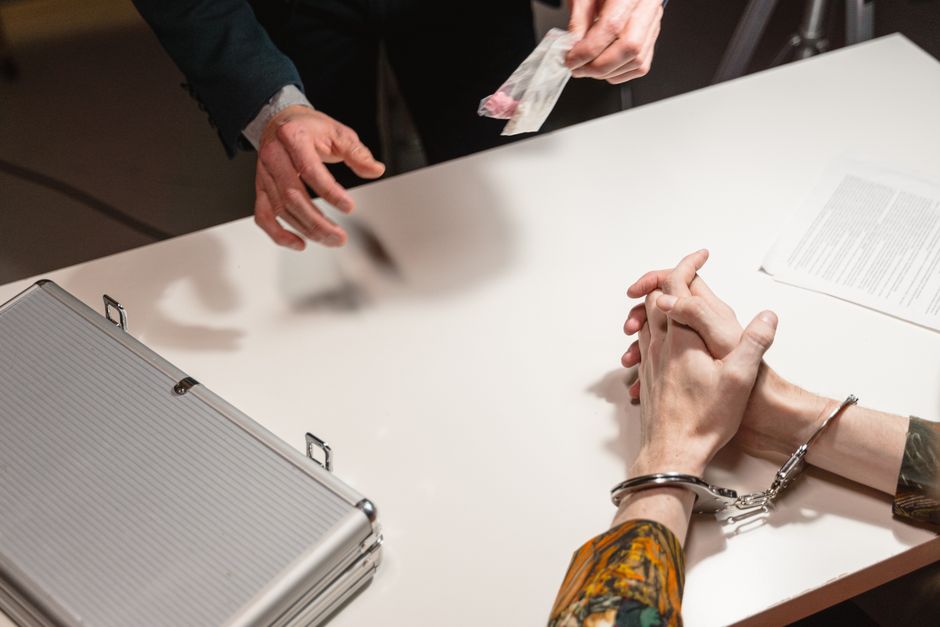
- Document the issue: Gather all payment records, dates, amounts, and any communications with the licensing office or staff.
- Notify the licensing board immediately: File a written notice of concern and request an audit or review of the associated payments.
- Contact the state’s attorney or district attorney’s office: If there’s evidence of misappropriation or alteration, law enforcement may review the case.
- Consider a formal fraud report: You can file reports with the Federal Trade Commission (FTC) or your state consumer protection agency; such reports can help others and establish a paper trail for your case.
- Seek restitution and accountability: In cases where a misdirected or altered payment is identified, the licensing board and court may order restitution as part of a resolution or sentencing.
The Legal and Financial Consequences: Why Accuracy Matters
Criminal and civil outcomes in licensing-related fraud cases can be severe. For the individual responsible, consequences may include probation, restitution, fines, and a public record that can impact future licensing or employment prospects. For applicants, a successful case can result in the restoration of funds and improved controls to prevent recurrence.
From a personal finance perspective, the incident highlights several broader lessons:
- Protecting your money order payments is just as important as protecting cash or card payments.
- Interacting with government processes requires careful recordkeeping, especially when funds are involved.
- Clear, auditable processes reduce the risk of misdirection, making it easier to recover funds if something goes wrong.
Preventive Measures for Licensing Offices and Regulators
While the article centers on a case where a staff member manipulated funds, it also provides a blueprint for organizations to shore up defenses and transparency. Here are measures that licensing offices can adopt to reduce the risk of similar incidents:
- Segregation of duties: Separate responsibilities for accepting applications, processing payments, and depositing funds.
- Independent reconciliations: Regular, independent checks of submitted payments against ledger entries.
- Tamper-evident documentation: Use secure, trackable payment methods with clear audit trails.
- Prompt notification systems: Automatic alerts when payment data does not align with submitted applications.
- Transparent public reporting: Clear, accessible fee schedules and receipts to reduce ambiguity for applicants.
A Final Thought for Nail Technician Applicants Sent Money Orders
Anyone pursuing a nail technician license should approach the payment step with deliberate care. The focus should be on simplicity, traceability, and verifiable records. Even though the vast majority of licensing processes run smoothly, a single compromised payment can derail progress, cause financial strain, and erode trust. By following the best practices outlined above, you can lower your risk and maintain confidence in your path to a new career in beauty.
Conclusion: Stay Vigilant, Stay Organized, and Protect Your Funds
The case of a state worker altering names on money orders submitted by applicants highlights a hard truth: legitimate processes can be exploited if controls are weak. For nail technician applicants sent money orders, the takeaway is clear. Do not assume that a license application is only about a test score or a checklist. It also involves a careful, auditable payment path. Maintain meticulous records, verify all channels through official sources, and act quickly if you notice inconsistencies. When you combine proactive payment practices with a strong support system from the licensing board, you transform a routine step into a secure, transparent part of your career journey.
FAQ
Q1: What exactly happened in the case discussed here?
A1: A state licensing employee altered and deposited money orders that were meant for nail technician licensing fees, affecting the payments and resulting in financial losses for applicants. The case led to probation, restitution, and accountability for the responsible party.
Q2: How can nail technician applicants sent money orders protect themselves?
A2: Use official payment channels, keep receipts, document every transaction, verify deposits with the licensing board, and request confirmation numbers for all payments. Consider using traceable mailing options and maintain a personal payment log.
Q3: What should I do if I suspect fraud in licensing payments?
A3: Document everything, contact the licensing board in writing, file a fraud report with the state consumer protection agency or FTC if appropriate, and consult legal counsel for guidance on restitution options.
Q4: Will I get my money back if fraud is found?
A4: Restitution is often part of a legal resolution in fraud cases, but outcomes depend on the specific facts and the jurisdiction. Prompt reporting and solid documentation improve your chances.
Q5: Are money-order payments safe for licensing now?
A5: They can be safe when used with strict controls, official channels, and thorough documentation. If you’re uncertain, ask the licensing board for the safest accepted payment method and a receipt-carrying protocol.


Discussion