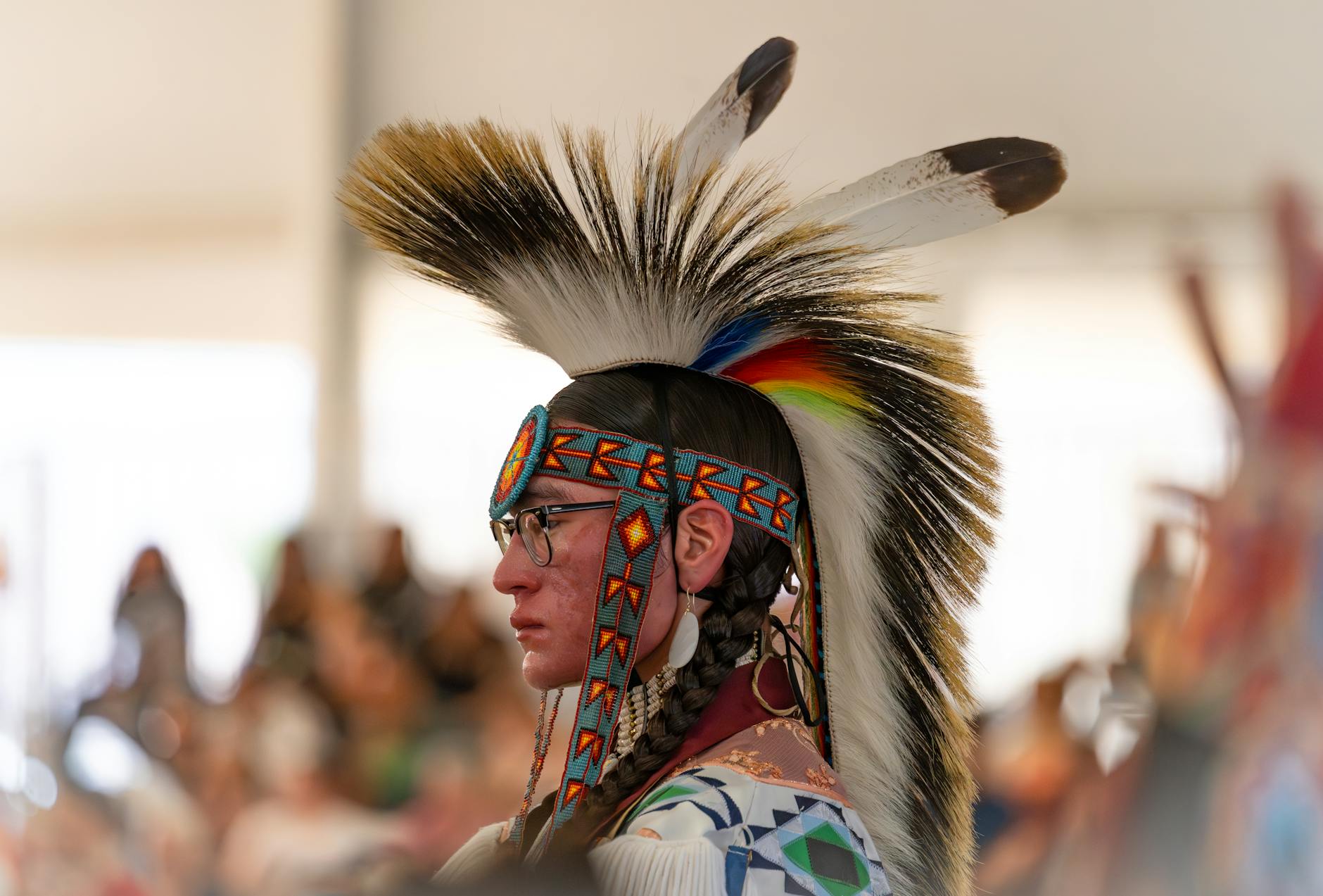
Breaking News: Rural Economies Grow Beyond Casinos
Near Thackerville, Oklahoma, the WinStar World Casino stands as a symbol of tribal resilience and economic scope. The Chickasaw Nation built a gaming flagship that transformed a small roadside hall into a global destination, yet the real story runs far beyond the casino floor.
Across the United States, native american businesses have diversified into health care, manufacturing, construction, and financial services, turning tribal governance into a diversified engine for rural growth. The shift comes as voters and investors track how communities rely on this mix of gaming and non-gaming enterprises to fund schools, roads, and clinics.
A Rural Economic Engine Beyond Gaming
Oklahoma embodies the broader trend: roughly 130 tribal casinos line the map, but the bulk of tribal wealth now flows through more than 100 businesses owned by tribes themselves. A 2023 impact report prepared by researchers at Oklahoma City University, commissioned by tribal groups, found that Oklahoma’s 38 federally recognized tribes generated more than $23 billion in economic activity, supported 140,000 jobs, and delivered nearly $8 billion in wages and benefits.
Recent public data released in early 2025 suggests continued momentum. While gaming remains a critical anchor, non-gaming ventures—banks, logistics, manufacturing, and health networks—are expanding the tax base and broadening the tax receipts that support public services in rural areas.
- Tribal revenue now underpins a broad mix of local services beyond gaming revenue.
- Non-gaming sectors provide steadier year-round employment, helping cushion seasonal casino cycles.
- Expanded access to credit and capital fosters small business growth across tribal and nearby communities.
Within this mix, the WinStar complex remains the high-profile example of how tribal leadership can leverage entertainment assets into broader economic development. Yet the more telling story is how native american businesses have diversified into essential services, creating a multi-year trajectory of growth for rural America.
Native American Businesses Have Diversified Beyond Gaming
Beyond the marquee casinos, tribal sovereignties are building manufacturing parks, banks, logistics hubs, and health networks designed to serve both tribal members and neighboring towns. This diversification is not just about resilience; it is about long-term prosperity that funds schools, emergency services, and infrastructure projects.
Chickasaw Nation examples aside, many tribes now run enterprises that directly employ residents, finance start-ups, and provide critical services in areas where private investment is scarce. native american businesses have broadened their footprint into sectors that create steady, recurring revenue streams and strengthen local economies year-round.
- Community banking and credit facilities extend affordable capital to small businesses.
- Integrated health care systems fund clinics, telemedicine, and preventive care in rural counties.
- Manufacturing and logistics hubs create regional employment and attract supplier networks.
Analysts say the momentum reflects a deliberate strategy: use profits from gaming and non-gaming ventures to invest in community infrastructure and human capital, reducing dependence on any single revenue stream.
Policy Spotlight: Trump Lifeline in Question
In Washington, policy debates loom over how tribal revenues are taxed, regulated, and allocated for public needs. Critics warn that a proposed package from the Trump administration could tighten the reins on tribal earnings, potentially cutting off a lifeline for rural economies that rely on tribal revenues to fund schools, health programs, and roadwork. Supporters contend the reforms would improve accountability and oversight, arguing they won’t undermine sovereignty if implemented carefully.
"For communities where the casino may be the only major employer, changes to how tribal revenue is treated could hit hard," says Maya Red Cloud, a tribal economic analyst with the Center for Rural Prosperity. "native american businesses have become the backbone of local commerce, and any disruption to revenues would ripple across public services."
James Two Rivers, CEO of a regional tribal bank, adds: "If funding from tribal enterprises tightens, the ripple effects will reach schools and emergency services, altering the very fabric of rural life."
In this climate, the question is whether policy reforms preserve sovereignty while ensuring accountability, and whether tribal leaders can shield essential services from budget shocks as non-gaming income grows.
Numbers That Tell the Story
- National footprint: Tribally owned businesses span health care, construction, finance, and manufacturing; Oklahoma alone houses about 130 tribal casinos and more than 100 diversified tribal firms.
- Oklahoma impact (2023): 38 federally recognized tribes owned businesses generated more than $23 billion in economic activity, supported 140,000 jobs, and delivered nearly $8 billion in wages and benefits.
- Recent trend (early 2025 update): estimated tribal business activity near $26 billion nationwide, supporting about 150,000 jobs and roughly $9 billion in wages.
These figures illustrate a broader shift: native american businesses have become a durable pillar of rural economies, rather than a single-season phenomenon anchored to gaming demand.
Why This Matters for Rural America
Rural towns often struggle to attract investment and talent. When a tribe anchors economic activity, the benefits flow to schools, clinics, and public safety. Revenue retention funds road repairs, bridge upgrades, and essential services that otherwise rely on sparse state budgets. The result is a more vibrant local economy that can attract new residents and support existing families.
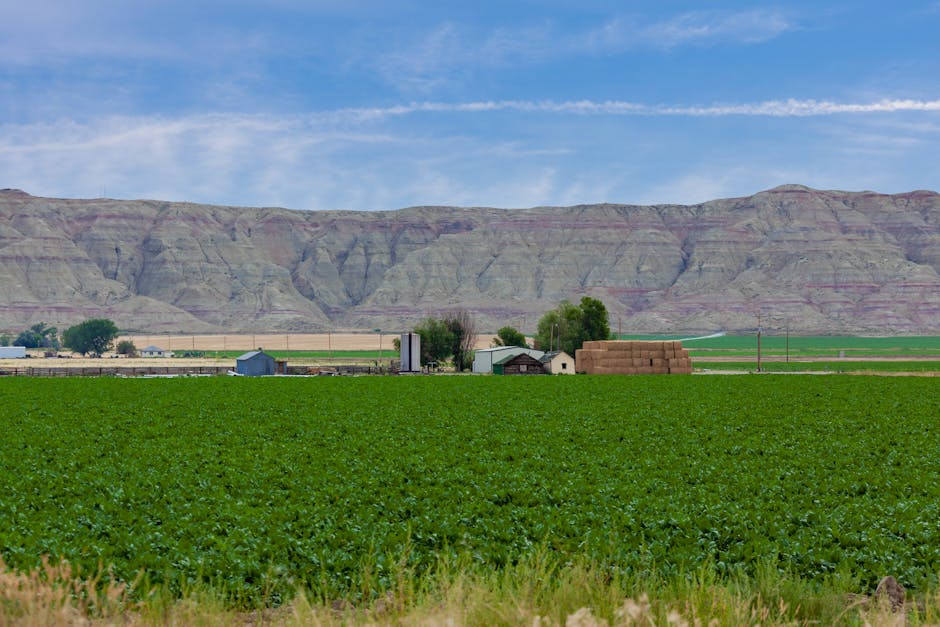
Public and private partners are increasingly attentive to how tribal business activity can complement regional growth strategies, particularly in states facing aging infrastructure, workforce shortages, and rising health-care needs.
Looking Ahead: Navigating Uncertainty
As policy debates unfold, communities and investors watch closely to see whether the lifeline remains strong or faces tightening constraints. Experts urge a balanced approach—preserving tribal revenue streams while strengthening transparency and accountability in how funds are spent for public goods.
Despite political headwinds, native american businesses have demonstrated resilience by diversifying and expanding their reach. They remain a critical part of the national economy, especially in rural areas where demand for health care, education, and infrastructure continues to grow.
Data at a Glance for Global Audiences
In the wake of ongoing policy discussions, the latest available numbers underscore a simple truth: native american businesses have evolved into multi-sector engines that support both tribal and regional prosperity. The movement away from gaming as the sole revenue source helps stabilize communities during downturns and accelerates county-level development when state resources falter.


Discussion