
Record Breakthrough in Native American Graduation Rates
New federal data show native american graduation rates climbing to a record high in 2025, driven by stronger school programs and closer ties to local job markets. The Bureau of Indian Education reports that graduation rates across its schools rose to about 79 percent, a sharp increase from the roughly 51 percent observed in 2015. This upward trajectory comes as districts expand career training and wraparound supports for students on tribal lands and in rural communities.
Education officials say the gains reflect a deliberate shift toward practical, hands‑on learning that connects classroom work with real world opportunities. The trend is widely viewed as a win for families who rely on education to improve long term earnings and household stability.
Data Snapshot: The Numbers Behind the Progress
- Bureau of Indian Education oversees 183 primary and secondary schools
- Annual enrollment exceeds 40,000 students across BIE schools
- In 2015, native american graduation rates were just over half of students finishing in four years
- By 2025, graduation rates reached a record high of about 79 percent
- Progress is uneven by region, with stronger gains in some tribal communities and rural areas
Stories From the Ground: How Schools Are Adapting
Administrators highlight programs that mix academics with technical training, such as construction trades, health aide certifications, and coding classes. In Washington state, long‑standing partnerships with local tribes helped schools place students in apprenticeships while they completed core requirements. Educators say this approach keeps students engaged and reduces the time to graduation.
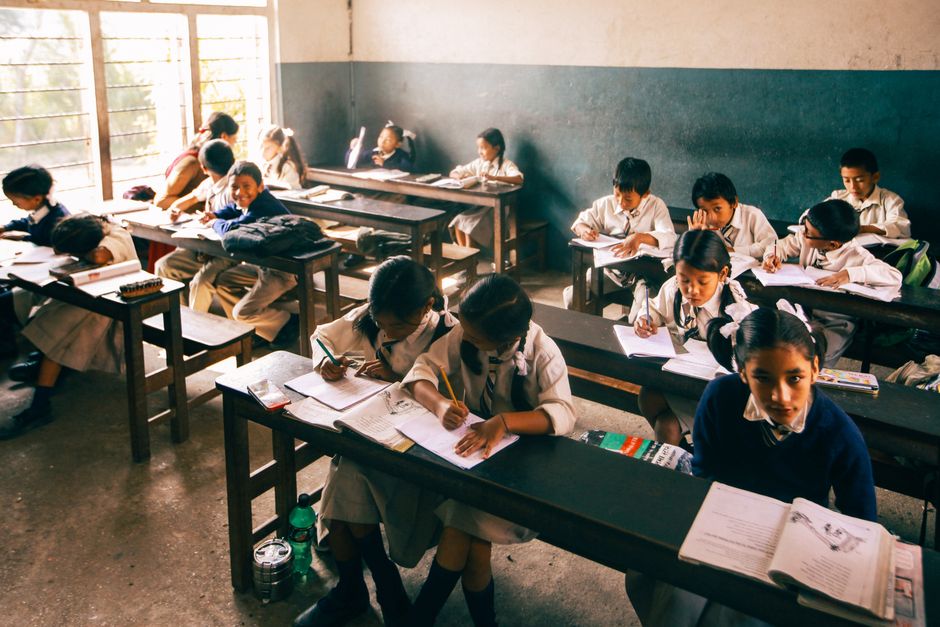
One example from a Puyallup Reservation high school illustrates the broader trend: students who once tuned out traditional classes found renewed purpose when they could mentor younger pupils and work in career centers after class. The result is a culture where graduation becomes a shared goal, not just an individual milestone.
What Native Graduation Gains Might Mean for Personal Finances
Higher graduation rates are linked, over time, to stronger earnings and greater financial stability for families. When young graduates enter the workforce with credentials aligned to local demand, households can reduce reliance on loans and increase savings for college or small businesses.
Experts emphasize that the financial upside goes beyond a bigger paycheck. Education quality, access to scholarships, and community supports shape how families budget tuition, housing, and everyday expenses. In this light, the rise in native american graduation rates can influence decisions about housing, retirement savings, and entrepreneurship in tribal areas.
Policy Watch: Funding, Reporting, and the Price of Progress
While the gains are real, tribal leaders caution that policy choices in Washington could alter the trajectory. Proposals to reorganize education oversight or reduce core funding for Native education programs could threaten sustained progress. Advocates urge stable, predictable funding, robust teacher training, and continued investment in regional partnerships that link schools to internships and college pathways.
Officials note that improved reporting practices over the past decade have helped surface true progress. Rather than masking gaps, clearer data collection has allowed educators to identify where interventions work and where more support is needed. This transparency, they argue, is essential for families making the best financial decisions about education.
What This Means for Families: A Personal Finance Lens
For families, rising native american graduation rates can translate into clearer paths to stable careers and less financial stress. When students graduate ready for skilled trades or higher education, households may see lower debt burdens and stronger long term earnings potential. The hope is a ripple effect: more graduates investing in homes, college funds, and small businesses that strengthen the wider community.

Yet the financial benefits depend on a mix of local job markets, the availability of scholarships and grants, and the level of federal and tribal support. Families must balance tuition costs with day to day expenses, and higher graduation rates help shift the odds toward a more favorable financial horizon.
Looking Ahead: What to Watch
- Funding levels for Native education programs and tribal colleges remain a pivotal factor
- Continued emphasis on career readiness could sustain gains in native american graduation rates
- Data quality and reporting clarity will influence policy decisions and funding formulas
Key Takeaways
- Native american graduation rates have reached a record high, signaling real progress in education for Native communities
- Career pathways and improved reporting methods contributed to the gains
- Policy uncertainty and federal funding decisions could affect future momentum and family finances


Discussion