Market Snapshot: Oil Near $110.87 Amid May Trading
At 9 a.m. Eastern Time, Brent crude stood at $110.87 per barrel. The level represents a modest gain of about 0.39% from yesterday’s session and places crude roughly $44 above the price on this date a year ago.
- Price today: $110.87 per barrel
- Change vs. yesterday: +0.39%
- Price 1 month ago: $105.16 per barrel (up 5.42%)
- Price 1 year ago: $67.04 per barrel (up 65.37%)
What Moves Oil Right Now?
Oil prices move on a tug-of-war between demand outlooks and supply risks. Investors monitor global growth signals, industrial activity, and policy shifts in major economies. Even a modest acceleration in Chinese demand or a surprise disruption in supply can push Brent higher, while signs of slower growth or fewer shocks can temper the run.
Geopolitical tensions, production decisions from OPEC+ members, and transport bottlenecks add layers of volatility. Traders also weigh inflation trends, currency moves, and broader market risk appetite, all of which influence how energy assets respond to headlines.
From Oil To Your Gas Pump
People often wonder how a barrel price translates into the price at the pump. There’s a chain of costs between a barrel at the refinery and the gasoline inside your tank. Refining, distribution, taxes, and the margin set by local retailers all factor in, and crude oil remains the single largest driver of gasoline costs.
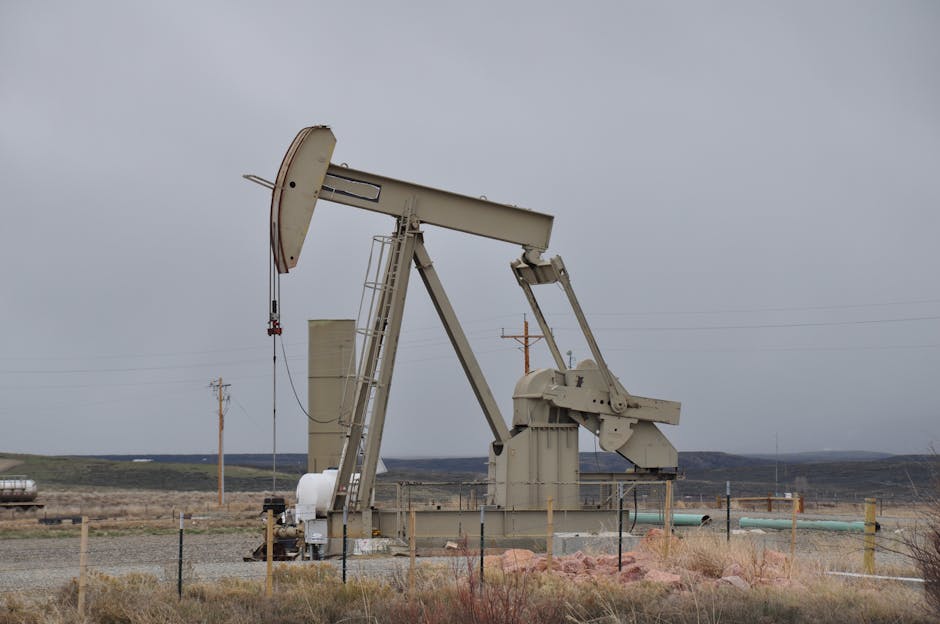
When oil climbs, gas stations typically raise prices quickly to protect margins. When crude retreats, pump prices usually ease in a more gradual fashion, a pattern experts describe as rockets and feathers. Consumers should expect energy costs to reflect crude price moves, but not in lockstep or on the same schedule.
The Strategic Petroleum Reserve And Market Backstops
Washington keeps a strategic stockpile of crude known as the Strategic Petroleum Reserve (SPR). Its purpose is to cushion energy supply shocks during emergencies—from natural disasters to geopolitical disruptions. While the SPR can lend temporary relief to price spikes, it is not designed as a permanent fix.
Market watchers see SPR actions as a tool for rapid response rather than a plan to steady prices over the long term. The SPR’s use or non-use can create headlines, but investors should remember it is a tactical option intended to keep critical industries running when supply or logistics are disrupted.
Oil And Natural Gas: Different Yet Linked Roles
Oil and natural gas are both energy workhorses, but they are driven by separate forces. Gas markets react to seasonal heating and cooling needs, power demand, and pipeline constraints, while oil prices swing with global supply and demand balances. Together, they shape energy costs for households and businesses alike.

Despite their differences, both markets respond to the same overarching themes: global growth prospects, policy changes, and the pace of energy transition in major consuming nations. For households, this means energy budgeting remains a moving target in 2026, with oil price shifts rippling into household bills through fuel and electricity costs.
What This Means For Personal Finances
For people tracking the current price 2026, today’s level serves as a reminder to plan for energy costs that can swing with headline news. Here are pragmatic steps to stay ahead:
- Build a flexible energy budget that accommodates short-term volatility in fuel and heating costs.
- Consider energy-efficient upgrades to reduce household exposure to price swings.
- Think about diversification in energy-related investments only after assessing risk tolerance and time horizons.
Data At A Glance
- Brent price (9 a.m. ET): $110.87 per barrel
- Daily change: +0.39%
- Compared with 1 month ago: $105.16 per barrel (up 5.42%)
- Compared with 1 year ago: $67.04 per barrel (up 65.37%)
Analyst Insight
Energy economist Maria Chen of NorthStar Analytics offered this assessment: the latest price level reflects a steady demand backdrop amid ongoing supply discipline from major producers. She added that traders will watch for the next set of policy signals and any supply disruptions that could quickly tilt the balance.
Outlook: A World Of Possible Paths
Analysts warn that oil markets will remain sensitive to evolving macro data, trade dynamics, and geopolitical developments. The path of the current price 2026 will hinge on whether global growth accelerates or slows, how OPEC+ redirects output, and how quickly new energy policies take shape in large markets like the United States and China.
For households, the message is clear: energy costs are likely to stay a material factor in monthly budgets. Keeping a close eye on the price of oil and broader energy indicators can help families plan for the months ahead and respond to sudden shifts with prepared contingencies.

Discussion