
Oil Prices Hold Near $95 as Markets Digest June 9 Data
Oil prices stabilized around the $95 per barrel mark on June 9, 2026, as traders weigh a mix of demand signals and production policies. By 9:00 a.m. ET, Brent crude traded near the $95 level, after pulling back from a peak in the prior session.
Volatility remains a feature of the energy complex, with markets parsing data on consumer demand, manufacturing activity, and the pace of supply discipline from major producers. The latest moves come as investors gauge whether a synchronized global recovery can sustain higher oil use through the second half of the year.
Analysts say the current price june 2026 reflects a delicate balance between improving demand in some regions and ongoing efforts by OPEC Plus to restrain supply. "We are in a phase where any hint of demand improvement or a surprise from producers can swing prices quickly," said Mark Liu, senior energy strategist at Granite Ridge Research. "If data turns cooler, we could see a quick pullback; if growth accelerates, the upside could re assert itself."
For everyday households, the crude price trend translates into gas costs at the pump, though the pass-through is not perfectly one to one. Retail prices respond to a string of factors beyond crude, including refineries, wholesalers, taxes, and local margins. In recent weeks, gasoline futures have moved in step with crude, but with occasional delays depending on regional supply constraints.
- Current price (Brent): around $95 per barrel
- Change vs. prior session: down roughly $2 per barrel
- One-month view: prices have trimmed gains after a stronger start to spring
- Annual comparison: oil remains notably higher than a year ago, reflecting a rebound in demand and some supply restraints
What This Means for Gas Prices and Household Budgets
Gasoline costs usually track crude with a lag, meaning today’s oil level could show up at the pump in days or weeks. The so-called rockets and feathers pattern means price increases at the pump can outpace crude rises in the near term, while declines in crude often fade more gradually in gas stations around the country.
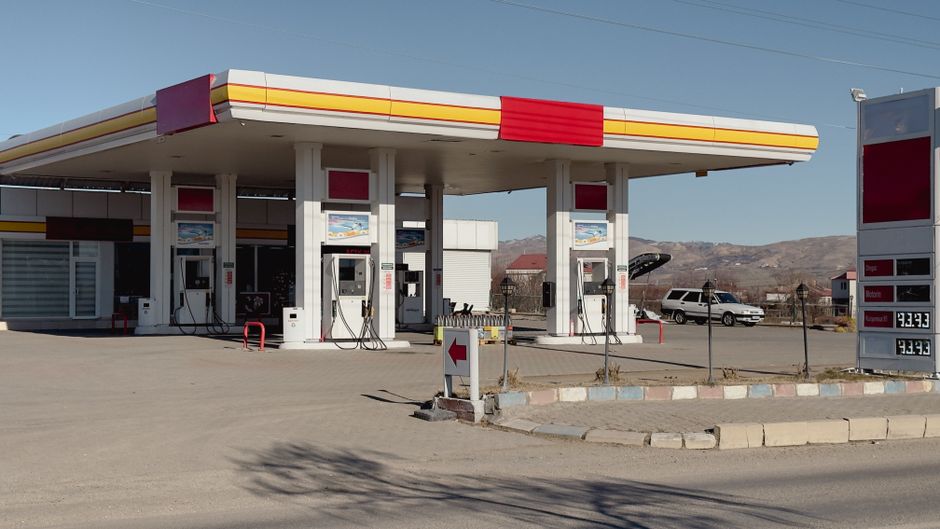
For consumers budgeting monthly expenses, the current price june 2026 provides a rough guide to where energy costs may head. If oil edges higher, expect a modest bump in gas prices; if crude slips, some relief could arrive later in the summer driving season. Analysts caution that regional factors—such as refinery outages or transportation bottlenecks—can mute or magnify the crude signal.
The Role of the Strategic Petroleum Reserve
The United States maintains a Strategic Petroleum Reserve to cushion sharp price swings during emergencies. While the SPR is not a long term price fixer, it can provide targeted relief during supply shocks, helping essential industries and services keep operating smoothly. Policy makers weigh SPR actions alongside market signals to balance energy security with market incentives.
What Could Move Oil in the Weeks Ahead
- OPEC Plus policy decisions and adherence to production targets
- U.S. and global inventory data that hint at demand trends
- Geopolitical developments in key oil regions
- Currency movements and inflation data that influence energy demand
Bottom Line
The current price june 2026 for oil sits at a crossroads, reflecting both improving demand signals and ongoing supply discipline from producers. Market participants expect continued volatility as macro data, policy hearings, and geopolitical headlines intersect. For investors and households alike, the coming weeks will test how quickly the energy market prices in new information and adjusts expectations for the second half of 2026.

Discussion