
Market Pulse: Oil Prices Rally as Tanker Traffic Stalls Near Hormuz
Global oil prices leapt higher Monday after hundreds of vessels anchored or paused near the Strait of Hormuz. Brent crude climbed roughly 10% in early trading, trading near $80 a barrel as traders priced the risk of supply disruption into the market. The move followed a sharp run-up in recent days as geopolitical tensions intensified in the region.
Analysts say the immediate trigger is the halt in tanker traffic through the narrow waterway, a chokepoint that handles a sizable share of the world’s crude exports. While there has been no formal closure of the strait, market participants are bracing for how any prolonged disruption could ripple through energy markets and household budgets. A senior trader at a major desk told reporters that price swings reflect the risk that supply could tighten if flow remains restricted for days or weeks. He put it plainly: our ships will stay put for several days, and the market will react accordingly.
Why Hormuz Matters: The World’s Oil Artery at Risk
The Strait of Hormuz serves as a critical gateway for crude and refined products. About one-fifth of global oil passes through those waters, making any blockage a potential catalyst for broader price moves. If the chokepoint stays congested or if shipping strategies shift to avoid the area, oil traders forecast higher premium costs that could filter through energy bills for households and businesses alike.
Analysts have warned that any extended disruption could push prices toward uncomfortable levels for consumers. One market watcher noted that scenarios involving a prolonged strait closure could push benchmark prices to the upper-$90s or even around the $100 per barrel mark, depending on how long ships are held and how markets adjust to the new normal.
Tanker Traffic: Hundreds of Vessels Idle or Anchored
Shipping data show a large number of tankers and LNG carriers have paused movements or anchored near the strait. The halt comes after precautionary measures were adopted by owners, majors, and trading houses to avoid the risk of interruption in a key supply route. In practical terms, dozens of ships have altered routes or idled while awaiting fresh guidance from authorities and insurers. The disruption marks a notable shift for a market that has learned to live with geopolitical risk but not always to price it so directly into the price of crude.
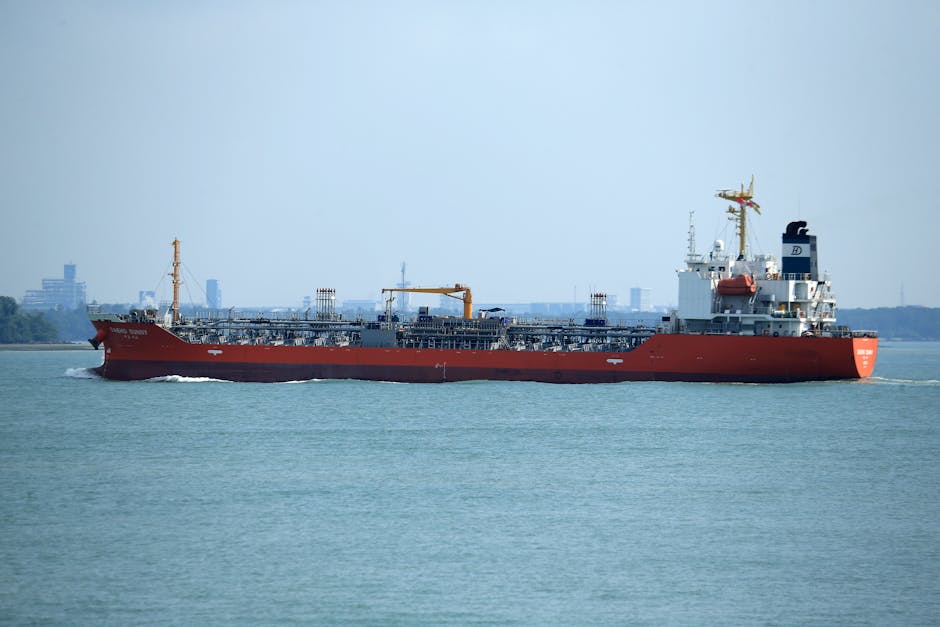
Industry officials described the scene as a temporary but high-stakes pause. A Greece-based shipping ministry official said vessels have been advised to avoid the Persian Gulf, the Gulf of Oman, and Hormuz, given the current stance. Maersk, a global shipping leader, has halted all crossing activity through the strait until further notice, citing safety and operational concerns. These moves underscore how quickly supply channels can constrict when policy or military risk tightens in a single waterway.
IRGC Warnings and Regional Warnings: What’s Next?
The tension around Hormuz has intensified as the Islamic Revolutionary Guard Corps has warned ships about passing through the strait. While there has been no formal blockade, the language from authorities has spooked traders and insurers alike, prompting precautionary closures and reroutings. The immediate market question is whether the risks will persist long enough to justify sustained price gains or whether a compromise or de-escalation will ease the squeeze on supply chains.
In this environment, investors are weighing how much risk to bake into energy equities and broader indices. The evolving dynamics also raise questions for households facing higher energy costs as winter heating and summer cooling seasons approach in various regions. Consumers should prepare for potential volatility in pump prices and household energy bills if the situation remains unsettled.
For households, the surge in oil prices translates into potentially higher gasoline and heating costs. Gasoline budgets may tighten if prices hold near elevated levels, and marginal increases in energy prices can feed through into everyday prices for goods that rely on trucking and shipping. The ripple effects also touch investments: energy stocks and exchange-traded funds tied to oil or shipping may swing more than usual on headlines from Hormuz.
Bond markets have shown mixed reactions, with some takers pulling forward hedges against commodity-price spikes while others remain focused on central-bank policy and inflation dynamics. In the near term, traders will watch updates from shipping authorities, insurers, and regional actors for new signals on whether the tightness will ease or intensify. The balance between supply security and regional risk will shape moves in both crude and related assets.
- Briefs on commodities: Expect continued volatility in crude prices as the tanker situation develops. A sustained disruption could keep prices elevated through the quarter.
- Energy stocks: Companies with important exposure to global transport routes may see amplified price moves; diversification remains key.
- For personal finance: Revisit budget buffers for energy costs and consider emergency reserves to cushion potential volatility in fuel and heat bills.
Key figures to watch as the situation unfolds include Brent crude at around $80 per barrel after a 10% jump in session trading, and ongoing caution around tankers in the Hormuz corridor. The “prices soar tanker traffic” dynamic is a headline theme, reflecting the market’s sensitivity to supply disruption fears. Traders will monitor the pace at which ships resume normal routing and any formal statements from Gulf authorities or international shipping bodies.
The story remains fluid. If the strait remains disrupted, energy markets may test higher price levels and consumer energy bills could rise in the coming weeks. Conversely, any de-escalation or successful rerouting could ease pressure and restore more normal pricing dynamics. For now, households should stay alert to pump-price moves and consider adjustments to discretionary spending in case energy costs persist above baseline expectations.
Bottom Line
Oil prices are on the rise as tanker traffic stalls near the Strait of Hormuz amid Iran-linked tensions and IRGC warnings. The focus now shifts to how long traffic remains constrained, how insurers price risk, and how quickly ships can be rerouted to prevent a sustained energy shock. The phrase prices soar tanker traffic is shaping market conversations as traders weigh the risks to supply and the potential impact on household budgets and investment portfolios.
Discussion