
Top Line: OPEC+ Signals Tighter Supply Amid Regional Turmoil
In a move that underscores how geopolitics can influence everyday finances, OPEC+ has approved a slightly accelerated path for oil production increases, adding 206,000 barrels per day (bpd) in April. The decision comes as tensions in the Middle East threaten to disrupt crude flows and keep energy markets volatile in the near term.
The April increment marks a step up from the modest pace seen in December and reflects a cautious strategy to support global demand while guarding against a price spike driven by disruption. The group, led by Saudi Arabia and Russia, paused its hike pace earlier in the quarter and now resumes increases with an eye on market stability in a period of heightened risk.
What Changed and Why: The Mechanics Behind the Move
Saudi Arabia and Russia are steering the effort to ramp up supply again after a brief pause. This time, the increase is about 1.5 times larger than December’s 137,000 bpd increment, signaling a deliberate attempt to balance tighter supply against potential demand softness in some regions. Several other key members—Iraq, the United Arab Emirates, Kuwait, and others—are contributing to the overall rise, though capacity constraints remain a practical limit for any one nation.
Analysts caution that the broader impact hinges on more than production numbers. If export routes—especially the strategic Hormuz Strait—face disruptions, the physical market could stay tight even with higher quotas on paper. A delegate cited in industry briefings warned that even small chokepoints can undermine the market’s ability to absorb higher output in practice, underscoring why the price path remains uncertain.
- 206,000 bpd addition in April
- April pace is about 1.5 times December’s increment
- Saudi Arabia and Russia lead, with Iraq, UAE, Kuwait among others contributing
- Hormuz Strait export reliability remains a key constraint
Market Impact and Global Price Signals
Oil traders have steered cautious bets as markets weigh whether the official output plan will translate into real supply relief. Brent crude hovered in the low-to-mid $80s per barrel range in early March, while U.S. WTI traded in a similar band. The central question: will higher quotas ease a fear premium caused by geopolitical risk, or will persistent chokepoints keep prices buoyant regardless?
The market is also looking for more clarity on how quickly tankers can move—especially through Hormuz, a corridor used by several OPEC+ members. If disruptions endure, the effect of the April increase might be muted, keeping risk levels elevated for both producers and consumers. In this context, the phrase opec+ resume output increases has become a talking point for traders debating whether the supply boost will cool prices or merely cap further upside in the near term.
“This move is a signal, not a solution,” said a geopolitical analyst who follows energy markets closely. “If Hormuz stays constrained, the actual physical market will stay tight, and prices can stay rangebound or test higher levels.”
What It Means for Consumers and Portfolios
For households, the April increase could help prevent a rapid price surge if supply flows stay resilient. However, any sustained disruption to export routes could translate into higher gasoline and home-energy costs in the weeks ahead. The feed-through from crude to pump prices tends to lag a few days to weeks, so shoppers should prepare for potential volatility even as the headline supply number points to a gradual easing of pressures.
Investors debating their personal-finance strategies should consider the possibility that energy costs will remain a moving target through the spring and into summer. Budgeting for energy bills in a fluctuating market is prudent, and households with flexible spending plans may want to monitor refinery margins and regional price indicators alongside supply data.
Geopolitics, Supply Chains, and the Global Balance
The Middle East remains the dominant factor shaping oil sentiment. While the OPEC+ decision nudges supply higher, it cannot fully counteract the risk of export slowdowns at sea or on land. Analysts highlight that even modest overt shifts in production must be evaluated in the context of regional security and the capacity to reroute flows if a key artery comes under strain.
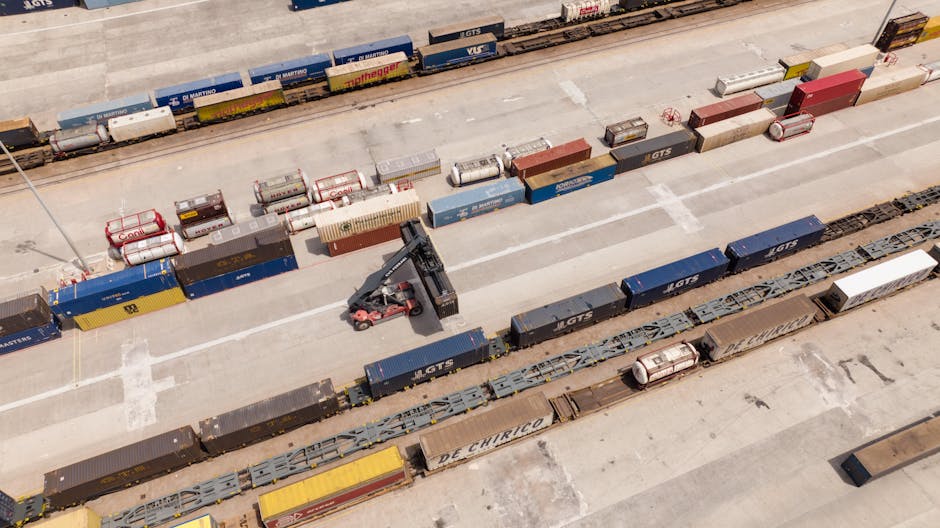
Export routes beyond Hormuz, including other chokepoints and overland corridors, will increasingly determine how much of the enhanced output actually reaches markets in Europe, Asia, and the Americas. In short, the opec+ resume output increases debate centers on supply signaling as much as on physical delivery.
Expert Voices: What the Market Is Saying
Jill Tan, head of global energy at Meridian Analytics, notes that the latest step functions as a prudent signal to the market. “The April change shows a willingness to support price stability, but given the region’s volatility, no one should expect a quick, painless reset in energy costs for households,” she said.
Mark Rivera, energy strategist at NorthBridge Capital, adds that the move could help cap downside risk if demand and supply stay relatively balanced. “The key is whether flows can move freely through chokepoints,” he said. “If they can, the combination of higher output and steady demand could keep prices in a calmer corridor over the next few weeks.”
Market watchers also remind readers that the concept of opec+ resume output increases is evolving as member nations adjust to global demand shifts, currency movements, and the pace of non-OPEC supply growth elsewhere. The dynamic is a reminder that energy markets mix geopolitics with economics in ways that affect everyday finance.
What to Watch Next
- Hormuz developments and potential export constraints that could blunt the impact of higher output
- Shifts in U.S. shale activity and broader demand indicators from key economies
- Monthly OPEC+ reports on production levels and member compliance
- Geopolitical headlines that could reprice risk in oil markets in real time
Bottom Line: A Delicate Balance Between Signal and Reality
The April move to opec+ resume output increases sends a clear signal to energy markets: suppliers are willing to raise output to mitigate price spikes, even as the global risk environment remains unsettled. For households and investors alike, the coming weeks will test whether the supply expansion translates into actual market relief or if geopolitical frictions keep energy costs elevated. In a world where a single route like Hormuz can tilt the balance, the market will continue to price in risk while watching for tangible delivery of the promised output gains.

Discussion