OpenAI’s ‘Super App’ Boss Sets a Broad Growth Course
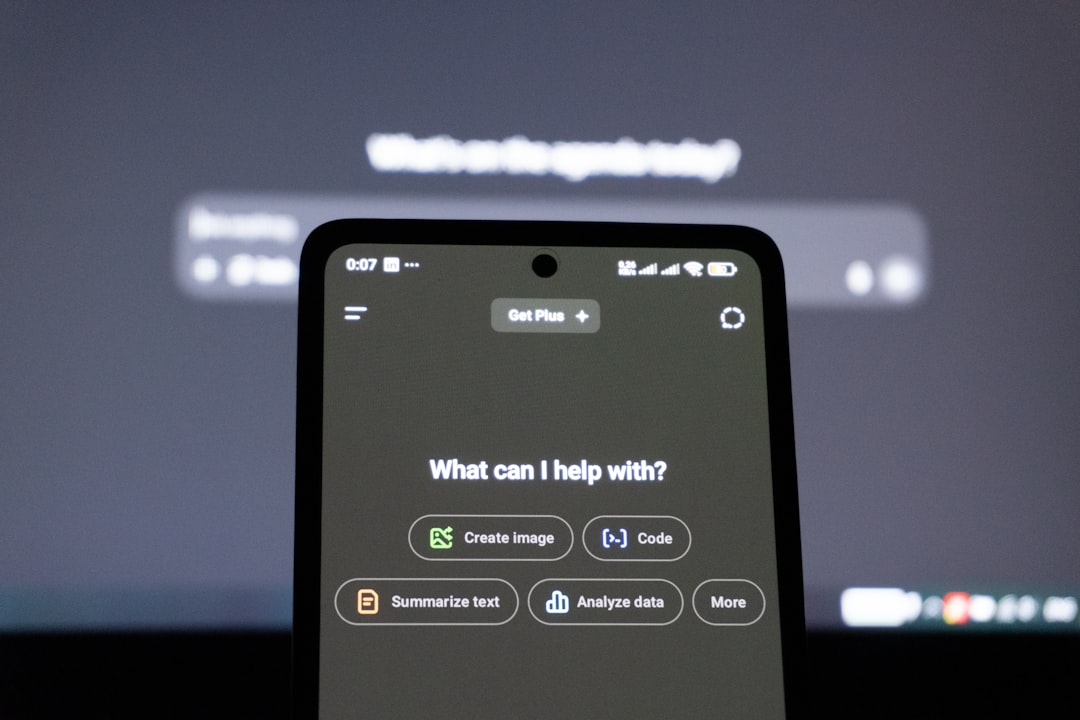
OpenAI’s strategic push to transform ChatGPT into a comprehensive AI platform is accelerating as the company eyes a potential IPO in the coming years. The effort centers on creating a single, highly capable agent that can handle everyday tasks and complex projects alike, all while linking OpenAI’s various products under one umbrella.
At the helm of this effort is openai’s ‘super app’ boss, Thibault Sottiaux, the former head of Codex who has been promoted to oversee OpenAI’s core consumer, business, and developer product platform. Sottiaux said in recent discussions that the goal is to evolve ChatGPT from a chat interface into a personal assistant that remembers user preferences and learns from its interactions. The aim: a unified experience where one agent can plan a trip, assemble learning tools for a child, and spin up a custom app, all in one place.
A Unified Agentic Experience, Not Just a Chat Tool
The strategy is to merge ChatGPT and Codex into a single, cohesive experience rather than keeping them as separate services. The company has been reorganizing its leadership to support this shift, with OpenAI president Greg Brockman taking on overall product strategy, Sottiaux directing core product and platform, and Nick Turley moving from head of ChatGPT to lead enterprise industries. The consolidation comes as OpenAI scales back a number of side projects and reconsiders expensive infrastructure commitments.
“We’re building an engine that knows what you care about and can anticipate needs before they arise,” Sottiaux told reporters. “The end state is a trusted personal assistant that can execute tasks across domains, from quick answers to multi-step operations.”
Leadership Realignment and Project Culling
The leadership reshuffle is part of a broader effort to align product development with a multi-pronged growth plan, including consumer, business, and developer segments. The company also shut down several projects that did not meet performance or cost targets, a move that insiders say frees capital for the core platform investments that will support the “super app” strategy.
One high-profile retreat was the discontinuation of Sora, OpenAI’s AI-driven video product, which was halted earlier this year. In addition, OpenAI paused several contingency plans, including Stargate data center expansions in the U.K. and Norway. The moves, while painful for some staff and partners, are framed by executives as necessary to focus on durable, revenue-bearing products that can scale to an IPO-ready business model.
IPO Timing Amid a Choppy Market
OpenAI’s path to a public listing remains unclear, but market signals point to continued investor appetite for AI platforms with broad consumer appeal. Analysts say a large, multi-product AI platform could justify a higher multiple than a single-app model, provided the company can show durable monetization across consumer, SMB, and enterprise lines.
Industry chatter in June 2026 places the IPO conversation in the broader context of a wave of technology listings, with investors watching how AI platform providers price growth versus profitability. Some analysts estimate potential IPO valuations in the single- to low-triple trillions for a group of AI companies, though the exact figures will hinge on revenue mix, margins, and the pace of user adoption for the unified product experience. OpenAI, SpaceX, and other AI firms have trended toward multi-trillion-dollar market expectations in private and public forums, underscoring the sector’s high stakes for personal finance portfolios.
What a Unified AI App Could Mean for Personal Finance
The practical impact of openai’s ‘super app’ boss’s strategy on everyday money matters could be notable. A single, capable AI assistant could help households manage budgets, optimize savings, and make smarter investment decisions by synthesizing data across accounts, spending habits, and market signals in real time.
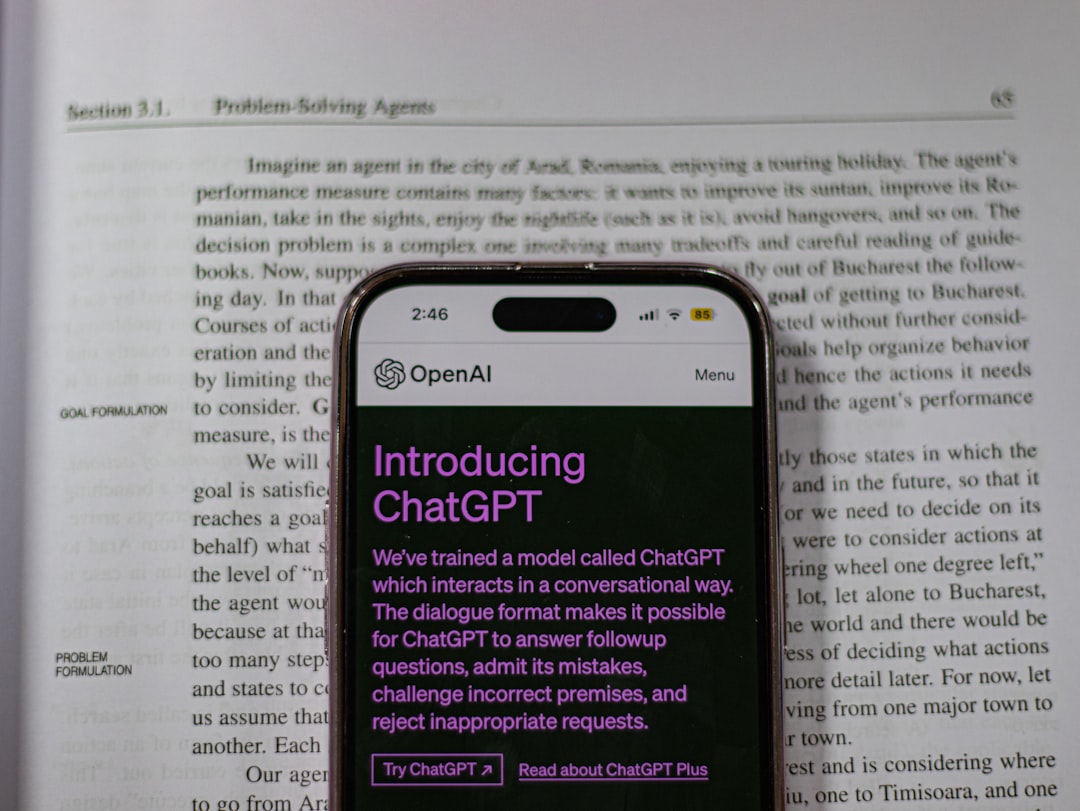
For investors, a broader platform means new monetization paths—from premium AI features to enterprise subscriptions—potentially spreading value across multiple revenue streams. If the platform can demonstrate predictable usage and meaningful conversion from free to paid tiers, personal-finance-minded users could see more value in a consolidated AI assistant that reduces decision fatigue and improves day-to-day financial outcomes.
Key Data Points Investors Will Watch
- Product leadership: Greg Brockman as head of product strategy; Thibault Sottiaux directing core platform and consumer experience; Nick Turley leading enterprise industries.
- Project discipline: discontinuation of non-core tools (e.g., Sora); halting of Stargate data center expansions in select regions.
- Market backdrop: AI-focused IPOs under consideration as part of a multi-trillion-dollar opportunity for platforms with broad user bases.
- User engagement metrics: the company will need to show retention, average revenue per user (ARPU), and cross-product adoption to justify a high-growth valuation.
Risks and Realities on the Road to Public Markets
Despite the excitement around a unified AI platform, several challenges loom. The cost of maintaining leading-edge AI infrastructure remains immense, and investors will scrutinize how efficiently OpenAI converts activity into recurring revenue. Any misstep in governance, data privacy, or product reliability could dampen enthusiasm for a potential IPO.

Competition remains fierce. Anthropic and other AI labs are intensifying efforts to commercialize their own tools, and traditional tech names are testing integrated AI experiences of their own. The risk-reward calculus for investors will hinge on the speed at which OpenAI can convert user engagement into paid subscriptions and how well it can monetize enterprise users without sacrificing user trust.
What OpenAI’s Strategy Means for Consumers
For everyday users, the promise of an openai’s ‘super app’ boss-led product is simpler interactions and fewer apps to manage. If the platform can balance convenience with robust privacy controls and transparent pricing, households may see clearer benefits in their monthly bills and financial routines.
Financial planners and fintechs will watch closely for features that translate into measurable financial gains, such as automatic budgeting, smarter bill payment reminders, and personalized investment coaching. The fusion of consumer-grade tools with enterprise-grade security could open doors for new, legally compliant financial services built on top of the AI platform.
Global and Regulatory Considerations
Regulators are increasingly focused on AI safety, data handling, and fair access to AI benefits. OpenAI’s roadmap will need to demonstrate robust governance and strong privacy protections to win broad consumer trust, especially if it becomes a backbone for financial decisions. Any signs of regulatory friction could delay scale and affect IPO timing, an important risk factor for personal-finance investors who rely on stable market conditions.

Looking Ahead: Milestones and Market Sentiment
In the near term, observers will be watching for concrete product milestones that prove the “super app” concept works at scale: cross-product workflows that save time, measurable increases in user engagement, and a clear, defensible path to profitability. If OpenAI can deliver a seamless integration across consumer, business, and developer products, the company could alter how people manage money and data in their daily lives.
openai’s ‘super app’ boss remains optimistic about the plan’s trajectory. “We’re not just building another tool—we’re building a platform that makes AI an everyday utility,” Sottiaux said. “The challenge is to maintain trust while expanding capability, so users feel they gain value without sacrificing privacy.”
Takeaway for Stakeholders
For personal-finance readers, the core story is not only about a potential IPO but about how a broader AI platform could redefine daily money management. If the vision proves durable, households may gain smarter automation, clearer budgeting, and more transparent pricing in AI-enabled services. For investors, the question is whether the company can maintain steady growth across multiple segments while delivering a compelling narrative for the public markets.
As the market evolves, the industry will judge openai’s ‘super app’ boss’s strategy by three metrics: user adoption, monetization across segments, and governance that protects consumer trust. If those pieces align, the roadmap could redefine how personal finance interacts with technology in the mobile-first era.


Discussion