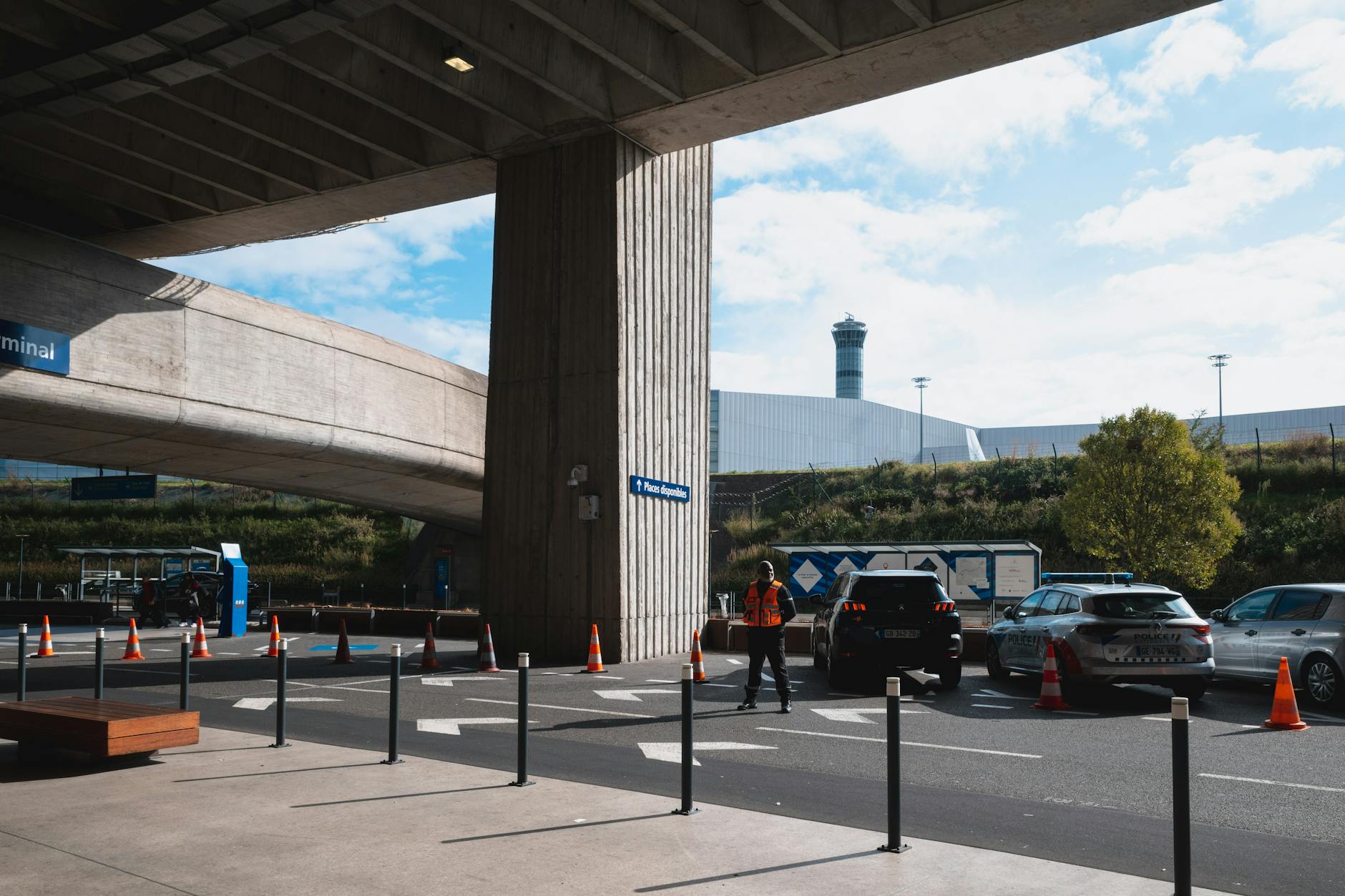
Frontier Flight Aborts Takeoff After Pedestrian Incident At DEN
DENVER — A Frontier Airlines flight halted its roll on the runway after a pedestrian jumped denver airport perimeter and entered the active airfield, prompting an engine fire and an emergency evacuation. The incident occurred during a late-night takeoff from Denver International Airport, disrupting a route bound for Los Angeles. Officials confirmed the person who triggered the event died on the tarmac, and the incident led to temporary runway closures as investigators moved in.
Frontier flight 4345 was carrying 224 passengers and seven crew members on the Denver-to-Los Angeles route when the crew aborted the takeoff. The airline later said that smoke was reported in the cabin and that responders evacuated everyone from the aircraft.
The Denver airport confirmed the pedestrian who entered the runway died after being struck. Runway 17L remained closed while authorities conducted the safety review, including the National Transportation Safety Board’s (NTSB) involvement in the investigation.
Timeline and Key Facts
The incident occurred roughly at 11:19 p.m. Friday, according to the airport’s communications. The flight was momentarily halted before evacuation procedures were deployed on the runway. Airport officials indicated the person who entered restricted airspace was not believed to be an airport employee.
- Flight: Frontier Airlines, 4345
- Route: DEN to Los Angeles International Airport (LAX)
- Onboard: 224 passengers, 7 crew members
- Aftermath: Engine fire and passenger evacuation on the runway
- Injuries: 12 passengers with minor injuries, 5 transported to local hospitals
- Runway status: Runway 17L closed during investigation
In a formal statement, Frontier said the flight involved in the incident had its takeoff aborted after smoke was observed in the cabin. The company said it is cooperating fully with the airport and safety authorities to determine all circumstances surrounding the event.
What This Means for Travelers’ Wallets
Beyond the immediate disruption, the episode highlights how security incidents can ripple into travel budgets. When a flight is canceled or delayed due to a runway incident or perimeter breach, travelers face a mix of potential costs—from rebooking fees to hotel stays and meals while stranded. Even with rebooking options, price gaps can appear, especially in peak travel periods.

For many travelers, credit card protections and travel insurance are a lifeline in these moments. Policies vary widely, but common provisions cover trip interruptions, missed connections, and flight cancellations caused by safety emergencies. It’s essential to read the fine print on coverage types, limits, and any exclusions tied to security incidents or airline operational issues.
The episode also reverberates in airline risk management. A single, high-profile perimeter breach can shift costs through insurance premiums, security upgrades, and contingency planning. Those cost pressures can eventually influence ticket prices and the availability of affordable fares, particularly during seasons when air travel spikes.
Safety, Security, and the Road Ahead
Authorities will review the perimeter fencing, access controls, and protocol for roadway incursions at DEN. While security improvements are ongoing nationwide, this incident underscores that even major hubs face rare but consequential breaches that affect schedules and traveler finances.

Officials noted that the incident will be the subject of a formal investigation by the NTSB, with the goal of preventing recurrence and clarifying accountability. Meanwhile, DEN and Frontier have pledged to support affected passengers as investigations unfold and normal operations resume.
Practical Tips for Travelers in Light of the Event
- Check your travel protections: Review whether your policy covers trip interruptions due to security incidents or airport disruptions.
- Understand rebooking rules: Know the airline’s standby options, waived fees, and alternative flight routes when a gate-to-gate disruption occurs.
- Keep receipts: If you incur additional costs from delays or evacuations, retain receipts for potential reimbursement through insurance or airline policies.
- Credit card advantages: Many cards offer automatic trip protections; confirm eligibility and required documentation before filing a claim.
- Build a small contingency fund: For frequent travelers, consider a travel reserve to cover unexpected hotel nights or meals after a disruption.
For travelers who encountered the most immediate fallout, the event translates into slower itineraries and added planning around summer trips, holidays, and weekend getaways. The broader takeaway is not to panic, but to know where to turn for financial protection and how to navigate a post-incident reset in travel plans.
Looking Ahead: What Consumers Should Watch
As investigators piece together the sequence of events that led to the incident described by authorities, travelers should anticipate updates on liability and insurance guidelines that could shape future refunds, vouchers, and coverage. The focus now shifts to how airport authorities and airlines improve perimeter security, and how those improvements might ripple into ticketing and compensation practices for disrupted travelers.

In the era of high airfares and lean travel budgets, the practical impact of a single incident like this can be felt in monthly spend, especially for families planning multiple trips. The phrase pedestrian jumped denver airport has already become a talking point among travelers studying risk exposure and cost-saving strategies for flying in 2026.
Bottom Line for the Budget-Conscious Traveler
When a passenger safety incident at a major hub triggers a flight disruption, the most immediate financial questions center on refunds, rebooking, and protection coverage. Travelers should act quickly—document disruptions, know their rights, and leverage insurance or card protections when possible. And as authorities investigate the pedestrian jumped denver airport case, responsible budgeting for travel remains essential to weather the unpredictable nature of modern air travel.
The incident serves as a stark reminder that even a single breach of security protocols can have outsized effects on schedules and costs, testing both consumer resilience and the financial safeguards travelers rely on to stay on track.

Discussion