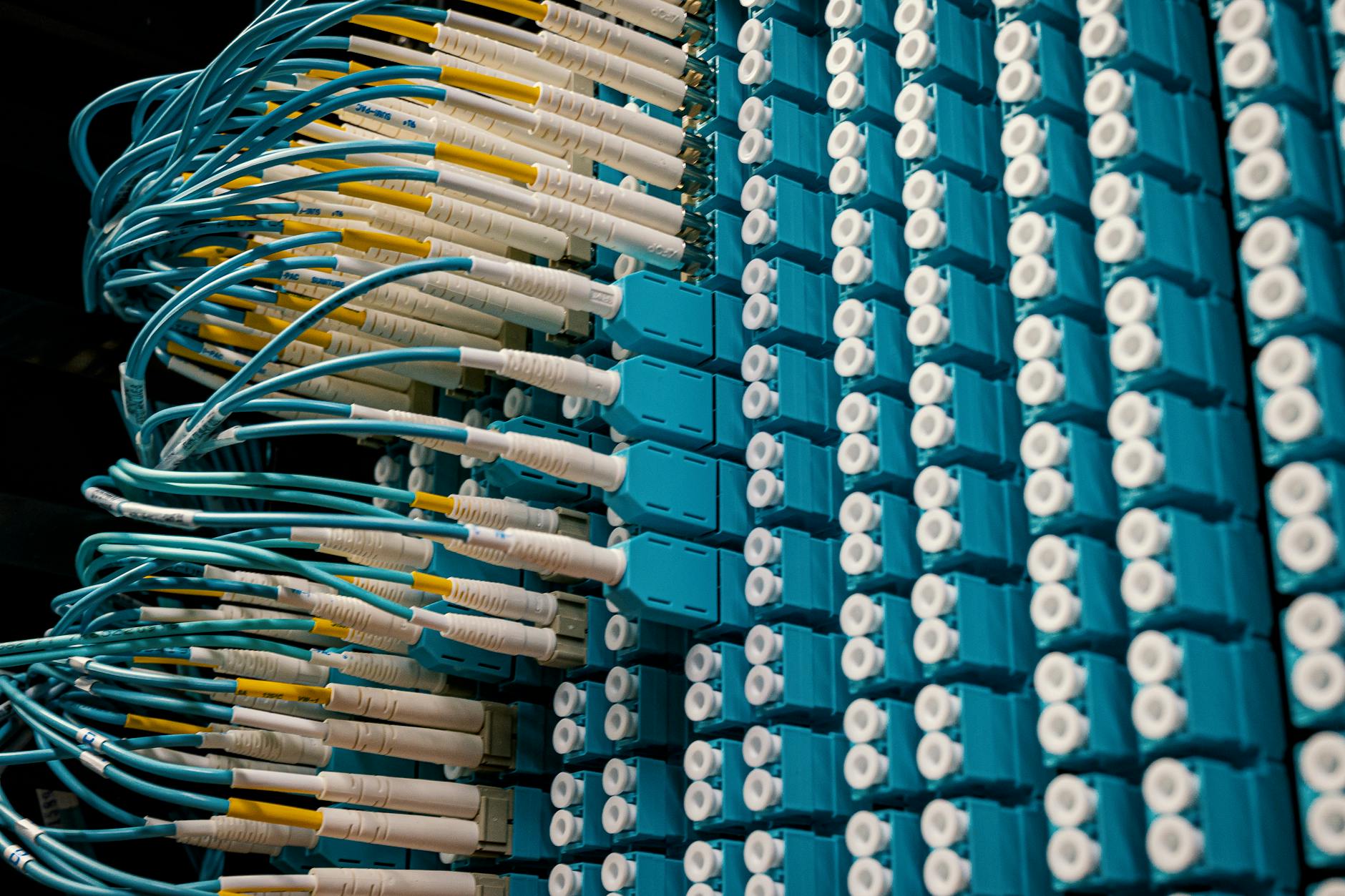
pennsylvania sits center data-center
In early 2026, energy executives and developers are watching Pennsylvania’s cities, led by Pittsburgh, as a focal point of a national shift: data centers that power artificial intelligence and the cloud require a different kind of electricity backbone. Officials say the region’s combination of available land, skilled labor, and a dense urban footprint makes it a magnet for hyperscale computing. Yet the surge also tests a grid built for steadier growth, not a wave of constant, high-power demand.
While latest projections point to robust investment in the coming years, grid operators warn that the pace of interconnection and upgrades must keep up with the appetite of AI-centric facilities. The 2026 market backdrop—higher interest rates, a tighter labor market, and a push toward clean-energy commitments—adds another layer of complexity for developers and ratepayers alike.
Why data centers concentrate power demand
Large data centers draw power around the clock to support high-performance computing used for AI training, real-time inference, and data storage. A single modern facility can consume power comparable to tens of thousands of homes, with AI-focused facilities running at near-constant full load to avoid performance bottlenecks.
- Constant consumption: Unlike traditional industrial customers, these centers keep the lights on 24/7, pressuring systems that were designed for seasonal or peak-driven demand.
- Fast interconnections: Developers expect new connections within months, while grid upgrades typically require years of planning and funding.
- Cooling needs: AI workloads demand advanced cooling, which often translates into additional electrical load, even as efficiency programs cut waste elsewhere.
These dynamics create a mismatch that grid operators are trying to bridge. Utilities are balancing the need to expand generation, transmission, and substation capacity with the timing expectations of developers who want to hook into service quickly. The result is a tug-of-war between immediate financial incentives for data centers and long-run reliability for residents and small businesses.
pennsylvania sits center data-center
Pennsylvania’s central location in the Northeast’s energy web gives the state a unique leverage point. Pittsburgh’s network of brownfields—former steel sites repurposed for tech use—offers ready-made housing for big campuses, while universities such as Carnegie Mellon and the University of Pittsburgh provide a steady stream of researchers and graduates to staff and operate new facilities. Yet with great opportunity comes responsibility: the grid must adapt to a new era of continuous, high-power demand.
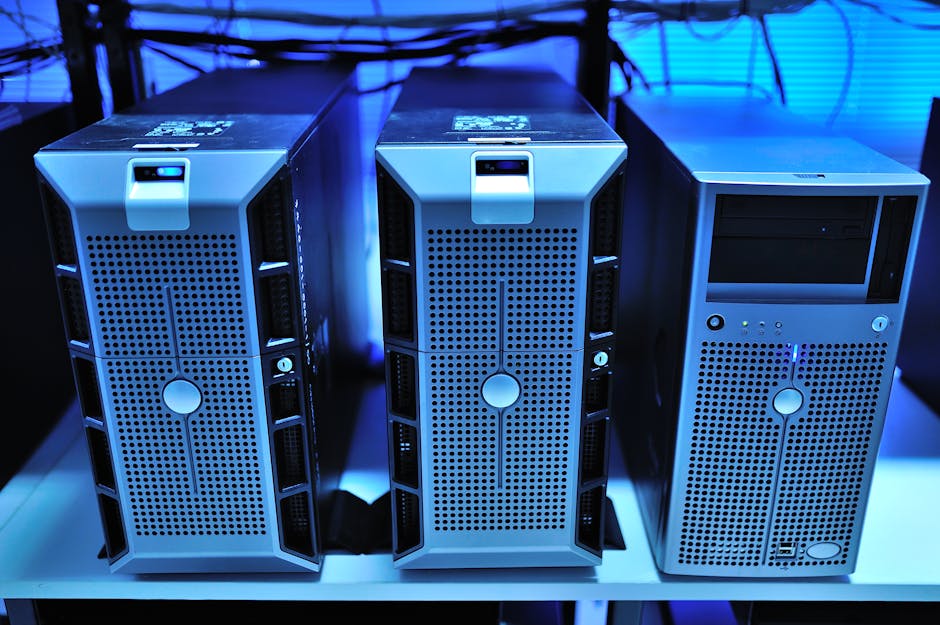
Analysts describe the region as a proving ground for balancing the needs of growth with reliability for households. As one energy market researcher put it, the challenge is not merely how much electricity is used, but how quickly capacity can be added and made available when demand spikes occur. The same pulse that powers a data center can ripple through neighborhoods if outages occur or prices spike during peak times.
Grid stress, reliability, and the policy response
Experts point to several stressors that distinguish data-center load from other large users:
- Load shape: Data centers often keep high, steady demand, reducing any benefit from off-peak reductions and complicating demand-response programs.
- Connection speed: The time between a project announcement and a live connection is shrinking, while grid upgrades can lag behind in cost and permitting.
- Cooling and energy reuse: Cooling loads and waste heat capture programs can alter regional power use profiles, requiring smarter operating models from utilities.
To address these issues, state policymakers and grid operators are pursuing a mix of tools: accelerated interconnection queues, focused transmission upgrades, battery storage pilots, and reforms to encourage on-site generation and demand response. The goal is to smooth the ramp from planning to connection while keeping consumer bills in check.
"The grid has to move faster than data centers can connect, otherwise we risk bottlenecks that offset efficiency gains and raise costs for households," said Elena Ruiz, senior energy analyst at the Mid-Atlantic Grid Institute. "We’re seeing a renewed push toward flexibility—on-site storage, demand response, and smarter cooling—that can align data-center needs with grid realities."
Across the state, observers also point to the importance of public-private collaboration. On one hand, developers promise jobs and tax revenue; on the other, ratepayers want price stability and resilient service. The tension is playing out in hearings, local council meetings, and regulator dashboards as Pennsylvania seeks to turn a climate of opportunity into measurable, reliable gains for all residents.
What the numbers say about growth and impact
Industry forecasts and grid studies offer a window into what lies ahead for pennsylvania sits center data-center dynamics. While numbers vary, several trend lines are clear:
- The state currently hosts what analysts describe as roughly 2.0–2.5 GW of dedicated data-center IT load, with room to grow to 4.5–5.5 GW by 2030 if interconnections and transmission upgrades proceed on schedule.
- Direct and indirect employment tied to new facilities could number in the five figures by the end of the decade, with tech, construction, and support roles driving local economies.
- If grid upgrades lag, households could see modest to moderate bill increases tied to upgrading generation and transmission assets and to the capital costs recovered through rates.
- Regional infrastructure spending between 2026 and 2030 is expected to run into the tens of billions of dollars, much of it funneled into transmission lines, substations, and energy storage projects.
Market observers caution that the exact outcomes will hinge on policy choices, federal incentives, and the pace at which storage and renewables scale up. Projects that pair on-site clean energy with aggressive cooling efficiency tend to deliver better long-term value, both for developers and for ratepayers who otherwise shoulder the cost of grid modernization.
What this means for investors, workers, and households
For investors, Pennsylvania’s energy transition is both an opportunity and a risk. The opportunity lies in long-term demand for data centers and the adjacent services that keep them running. The risk is that gaps in grid capacity or delays in permitting can slow project timelines and push up costs. Across the spectrum, market participants are watching several themes unfold:
- Site readiness: Areas with ready-to-activate industrial cores and experienced municipal support are favored, especially those with access to skilled labor pools and research institutions.
- Policy clarity: Clear state guidance on interconnection processes, tax incentives, and storage subsidies reduces uncertainty for developers.
- Community impact: Local officials increasingly weigh reliability and rate relief against growth and tax revenue, pushing for balanced approaches to siting and grid investments.
For households, the headline is reliability and price signals. If Pennsylvania successfully aligns its grid upgrades with data-center expansion, residents could see steadier service and predictable bills. If not, the same growth could translate into higher contingency costs or rate volatility during peak periods. In this tight energy market, the equation is simple: steadier progress yields steadier bills; slower progress yields more risk for all users.
Final view: the path ahead
The narrative in Pennsylvania mirrors a national story: data centers are a force multiplier for the economy, but they demand a smarter, faster grid. The coming years will test whether the state can sustain growth without compromising reliability or boosting costs for everyday consumers. The phrase pennsylvania sits center data-center captures a moment in time when policy choices, market forces, and technological advances converge in a way that could redefine the grid for a generation.
As of February 2026, stakeholders pledge to push for closer coordination among utilities, policymakers, and developers. If they succeed, the result could be a blueprint not only for Pennsylvania but for neighboring states grappling with similar tensions as data centers sit at the heart of modern life.
Bottom line: pennsylvania sits center data-center debates will shape how quickly electricity systems adapt to AI-driven growth, and whether households will benefit from a more resilient, efficient, and affordable power grid in the years ahead.

Discussion