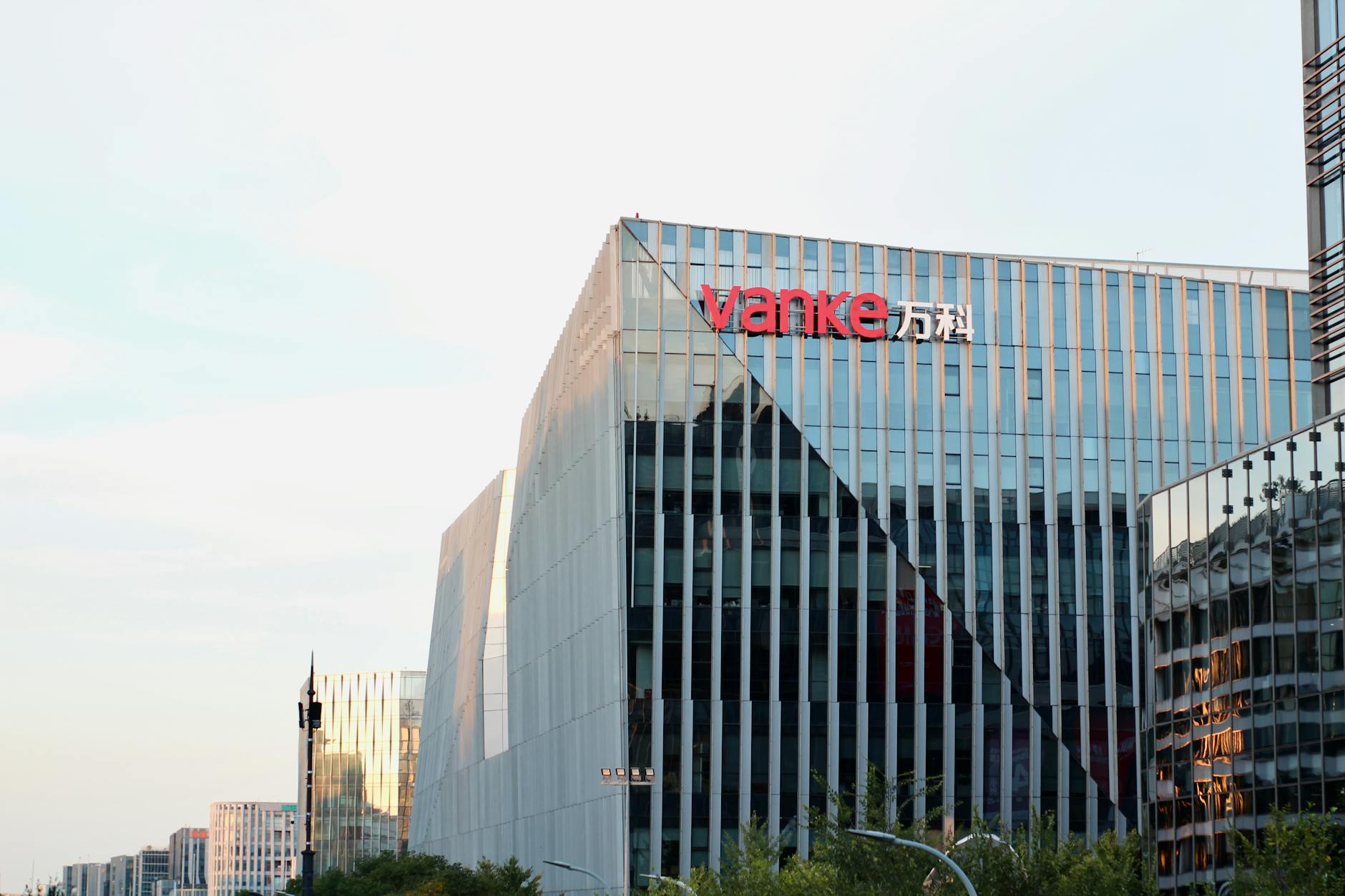
Breaking news: Pentagon expands designation of Chinese firms linked to military support
The Defense Department on Monday broadened the 1260H roster, saying Alibaba Group Holding Ltd., Baidu Inc. and BYD Co. are linked to activity that could aid the People’s Liberation Army. The update comes after a February version of the list briefly appeared online and was removed, fueling questions about Washington’s exact intentions.
This step broadens the U.S. government’s use of public designations to signal risk and influence corporate behavior, rather than delivering an outright ban. Officials stress that the list helps fence off ties deemed risky for U.S. national security and may influence who can win U.S. contracts or receive certain research support. In practice, it’s a policy tool with growing reach for investors and companies alike.
For investors, the pentagon accuses alibaba, baidu of aiding the PLA, a claim that underscores the high-stakes nature of U.S.-China tech policy.
“This designation underscores how policy signals from Washington can ripple into markets fast, even before any new law is passed,” said a market strategist who follows China exposures for retail funds. “It raises the bar for U.S.-listed Chinese players and can boost volatility.”
Financial market reaction and what it means for portfolios
U.S. trading screens showed a modest pullback in Chinese ADRs after the roster update. Alibaba’s ADR fell about 1% to $119.84, Baidu’s ADR slipped roughly 2.1% to $119.14, and BYD’s ADR declined about 0.7%. While these moves are not dramatic on their own, they reflect growing sensitivity to U.S. policy actions tied to China’s tech and EV leaders.
The broader market backdrop remains unsettled. Investors are weighing how a widening use of the 1260H list could affect access to government contracts, favorable research programs, and potential future sanctions. Even without immediate penalties, the designation can translate into higher borrowing costs and tighter financing for affected companies, which in turn can affect stock prices and the performance of related funds.
Markets have learned to monitor official lists closely. The addition of Alibaba, Baidu and BYD to the roster adds to a growing list of tech and mobility companies watched by the U.S. government for links to military or strategic activities. The list’s presence signals a wider push to align economic policy with national security concerns, particularly in sectors tied to AI, semiconductors and advanced vehicles.
What the 1260H list does and does not do
- Designations can restrict a company’s ability to win U.S. government contracts and access certain types of funding for research and development.
- The list is primarily a policy signal rather than a sweeping prohibition, so it does not automatically bar every U.S.-listed activity or trade with the company.
- Designations can raise investors’ risk premiums, prompt portfolio rebalancing and influence the cost of capital for involved firms.
- The latest update also restored two memory-chip makers, ChangXin Memory Technologies Inc. and Yangtze Memory Technologies Co., to the roster after they had been removed in February, signaling a broadening scope of scrutiny beyond headline tech giants.
In this context, the phrase pentagon accuses alibaba, baidu and BYD captures a shift toward broader risk awareness for investors who hold or plan to buy Chinese equities tied to technology and mobility sectors.
Context: U.S.-China policy tensions shaping investment risk
Analysts note that the Pentagon’s latest action reflects a broader effort to tie corporate activity to national-security concerns without resorting to sweeping sanctions. The government has leaned on designation lists to shape how companies can participate in U.S. government programs and how researchers access U.S. funds, a method that has grown more prominent as competition with China intensifies.
For everyday investors, this means more volatility around China exposure in portfolios. Funds that track Chinese tech or EV firms may see faster shifts in response to official moves, even when broader earnings or growth stories remain intact. The message for individuals remains clear: diversification and ongoing risk assessment are key when policy signals run ahead of formal regulations.
Bottom line for personal finance in a policy-driven market
The Pentagon’s action underscores how national-security policy can ripple through markets and touch personal finances. If you own or consider buying Chinese tech stocks or ADRs, you’ll want to stay informed about how future designations could affect access to capital, contracts, and collaboration with U.S. institutions.
Smart moves for 2026 include reviewing concentration in China-focused names, ensuring broad diversification, and keeping an eye on policy updates that could influence risk appetite across AI, cloud and EV sectors. In a world where a single designation can sway investor sentiment, a balanced, well-researched portfolio remains the most reliable hedge.
Key takeaways for readers
- Alibaba, Baidu and BYD have been added to the Pentagon’s 1260H roster, expanding U.S. policy scrutiny of major Chinese tech and EV firms.
- The moves come after a February roster entry that briefly appeared online, underscoring evolving government tools and communication challenges in geopolitically sensitive areas.
- While not a direct ban, the designation can influence contract eligibility, research funding, and investor risk assessments, contributing to market volatility.
- Two memory-chip makers were re-added to the roster, signaling broader coverage of strategic suppliers beyond headline companies.

Discussion