
Market Pulse
Prices whey protein ingredients have jumped to new highs on U.S. dairy futures, with 80% whey protein concentrate trading above $13 per pound in May 2026. The move marks a 250% year-over-year surge and comes as demand from snacks, cereals and protein drinks remains robust.
Analysts say the rally reflects a mix of strong consumer appetite for high-protein options and tighter supply chains. Food makers across categories—from breakfast cereals to ready-to-drink beverages—are accelerating use of whey protein to meet consumer demand without sacrificing taste or texture.
Driving Forces Behind the Rally
The climb in prices whey protein ingredients is driven by two forces: demand outpacing supply and limited processing capacity. Adopters in the food industry continue to expand protein content across more SKUs, while milk production in several regions has faced weather-related headwinds that curb byproduct availability for whey extraction.
Industry researchers note that while processors are expanding plants and upgrading equipment, the pace of new capacity often lags behind the pace of demand growth. That mismatch creates a tilt in the market that pushes up futures and spot prices alike.
“The demand curve is outpacing supply right now,” said Maya Kapoor, senior analyst at DairyMarkets Insight. “Manufacturers are competing for a finite pool of high-quality whey protein input, and that competition is visible in the price signals.”
What It Means for Consumers and Investors
For shoppers, higher input costs tend to flow through to shelves, especially for protein-enriched snacks, cereals and beverages. Retailers and brands may raise prices gradually as contracts renew and new supply arrangements take hold.
Investors watching dairy commodities say the volatility in prices whey protein ingredients could persist until new capacity comes online later in 2026 or early 2027. Some funds are modeling scenarios where prices stabilize only after longer-term hedges and long-term supply deals take hold across the industry.
Global Context
The U.S. market mirrors a broader European trend. In late May, 80% whey protein concentrate traded at a record 26,450 euros per metric ton in Europe, roughly double year-ago levels, according to market intelligence data. The global squeeze reflects similar demand growth and periodic production disruptions across major dairy regions.
Data Snapshot
- Prices whey protein ingredients: 80% concentrate above $13 per pound, up 250% YoY; isolates up about 150% YoY.
- US retail whey protein concentrate prices: roughly 15% higher over the past year.
- EU 80% concentrate: 26,450 euros per metric ton in late May, more than double year-ago levels.
- Demand drivers include the rising popularity of high-protein diets and more widespread use of whey in snacks, cereals and beverages.
What Is Whey Protein and Why It Matters
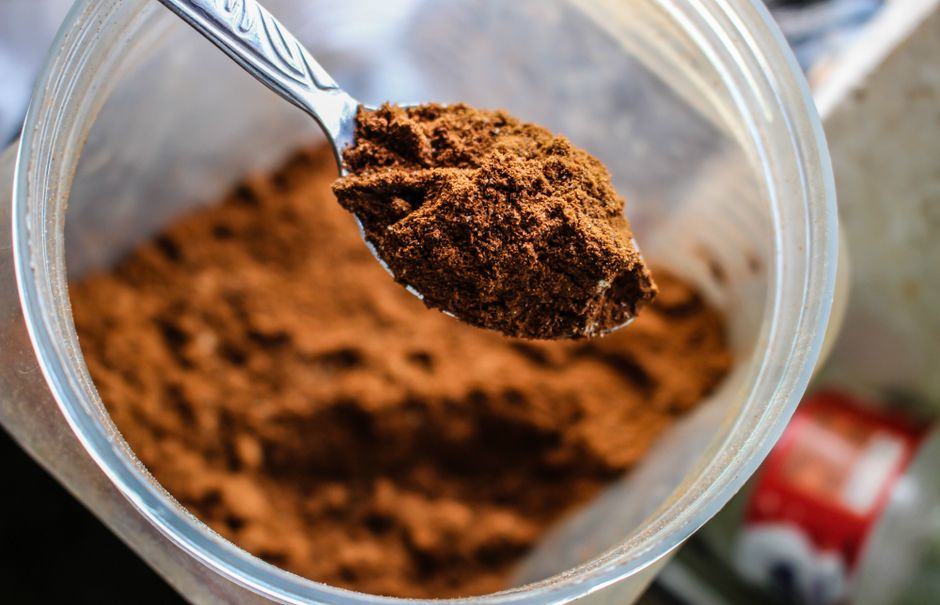
Whey protein is a byproduct of cheese-making that processors turn into powders used to bolster protein content. Demand has surged as brands tout healthier choices, and food developers experiment with texture and mouthfeel that whey can provide without adding heavy sugars or fats. When input prices rise, product developers face tighter margins and potential price readjustments for end products.
Industry Response and Outlook
Manufacturers are pursuing longer-term supply contracts to lock in prices and mitigate volatility. Dairy co-ops and private processors are expanding partnerships with farmers to ensure steadier milk flows, while investment in extraction capacity aims to widen the available whey input pool.
In the near term, analysts expect continued pressure on prices as buyers bid for limited supply. The timing of new capacity coming online—late 2026 to early 2027—will be a crucial inflection point for the prices whey protein ingredients curve.
Bottom Line
For households and shareholders alike, the surge in prices whey protein ingredients highlights how a tight global dairy supply chain can ripple through food budgets and stock valuations. As demand remains resilient and supply expands gradually, the market will likely phase in a new normal: higher input costs for protein-enhanced foods, tempered by longer-term contracts and capacity upgrades.

Discussion