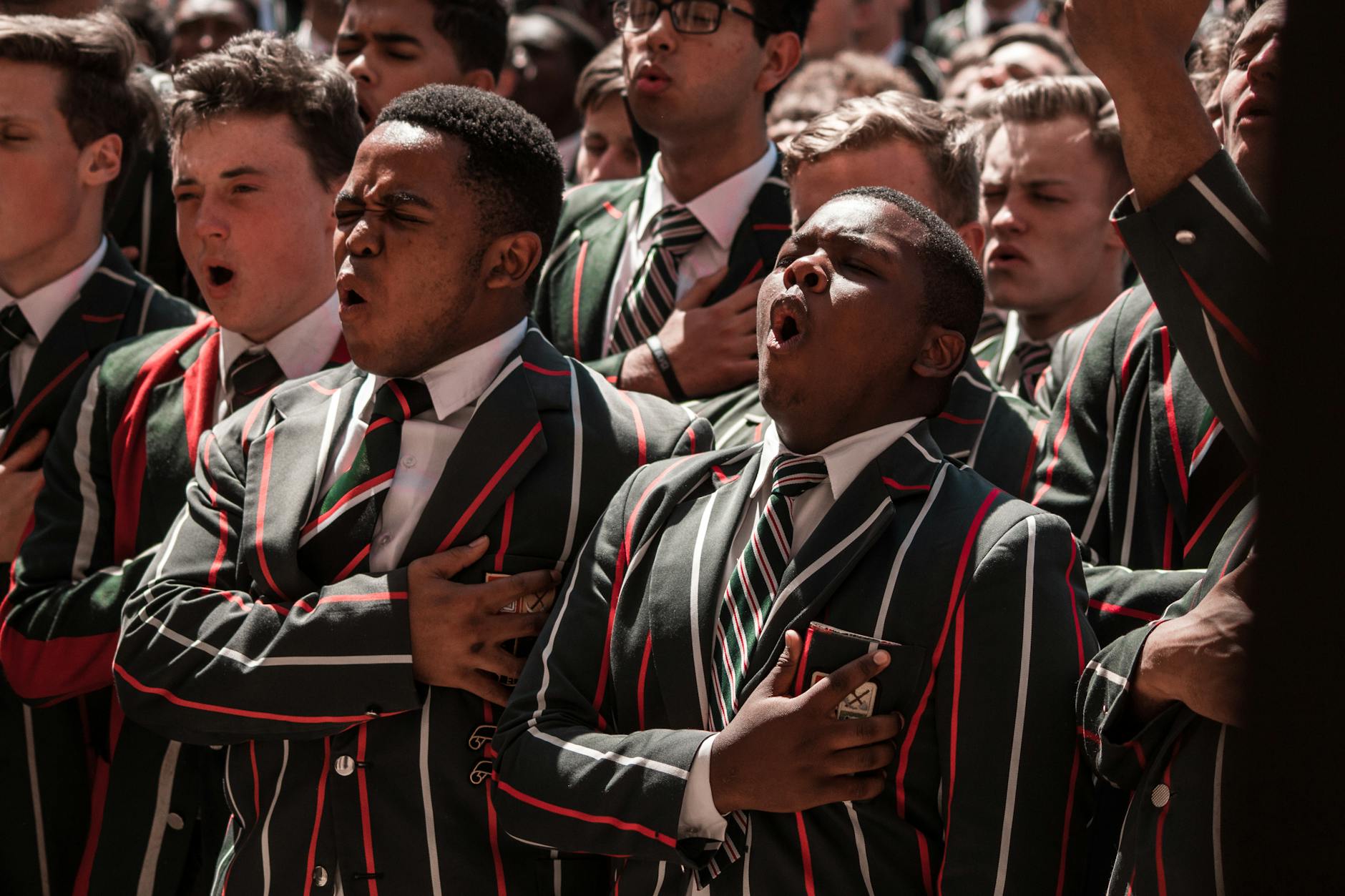
Breaking: Private School Boys Probation in AI Image Case
A Pennsylvania juvenile court on Wednesday placed two private school students on probation after they admitted to using AI to generate roughly 350 fake nude images of classmates. The case has intensified scrutiny of how private schools handle digital misconduct and the limits of youth accountability in the AI era.
The incidents, reported to have occurred during 2023 and 2024, relied on AI to blend real student photos with adult imagery. Prosecutors said the pair pulled faces from school photos, yearbooks, and social media platforms including Instagram and TikTok, then morphed them with explicit visuals for distribution in chats and forums.
What Happened: The Scale and the Method
- Scale: About 350 AI-generated images were created, involving at least 59 girls under 18.
- Ages at the time: The defendants were 14 years old when the activity occurred.
- Sources used: Photos were drawn from school pictures, yearbooks, Instagram, TikTok, and FaceTime conversations.
- Method: Images were automated with AI tools to place the targets in nude or sexual contexts with adults.
- Audience and hearing: More than 100 students and parents attended the hearing as victims described the impact in open court, an unusual move for juvenile cases in Pennsylvania.
Impact on Victims: Trauma Beyond the Photos
Victims testified about the ongoing emotional fallout, including anxiety, trust issues, and fear that the images could surface again. One student told the judge, 'I will never understand why they did this.' Others described a loss of innocence and the long shadow of embarrassment that followed even after the images were created.
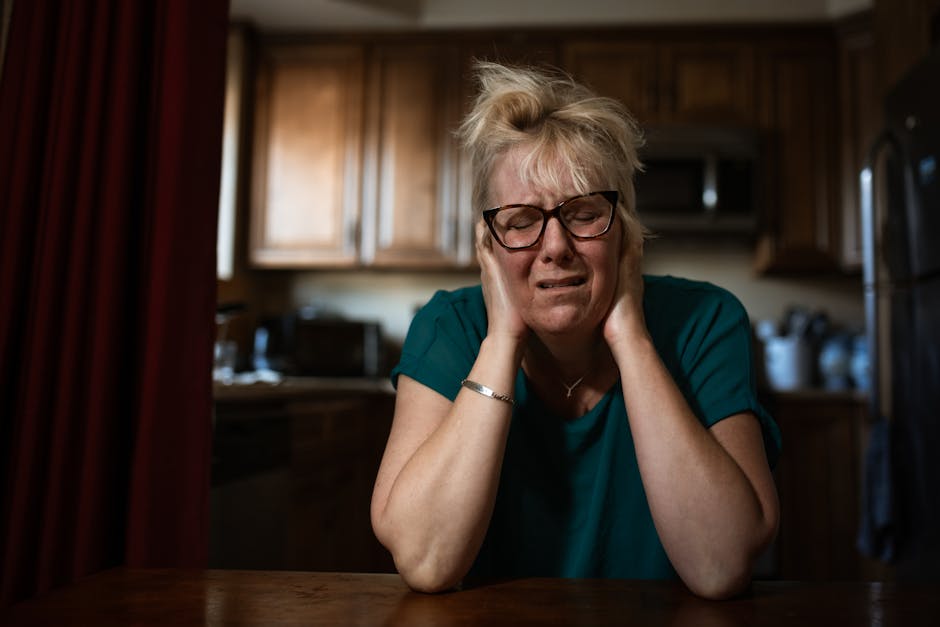
Another student recalled how the experience forced friends to switch schools or seek counseling, noting that the exposure of their faces in sexualized images was a lasting wound. The courtroom heard that some families had to navigate serious mental-health challenges while also contending with questions about privacy and safety at school.
Legal Outcome: Probation and Conditions
The judge granted probation as the two teens faced juvenile-justice oversight rather than formal criminal sentencing. The proceedings in this case were notable because juvenile hearings are typically sealed, but the court opened the session to allow victims and the community to speak out. A court spokesperson indicated that probation terms include counseling, school-based support, and oversight of technology use to curb further misconduct. While the specifics of each defendant’s plan were not made public, observers expect restrictions on social media access and ongoing monitoring as part of the probation.
Why This Matters for Private Schools and Families
This case has quickly become a touchstone for private schools facing a surge in AI-enabled risks. Schools are weighing tighter digital-ethics curricula, stronger consent and privacy policies, and clearer consequences for AI-generated harms. Parents are asking about monitoring tools, reporting channels, and how to balance privacy with safety on campus and beyond.
- Policy implications: Schools may update student codes of conduct to explicitly ban the creation or distribution of AI-generated sexual imagery, regardless of intent.
- Technology literacy: Districts and private institutions are expanding curricula on media literacy, digital footprints, and the ethical use of AI tools.
- Support networks: Counselors and mental-health resources are being prioritized to help students cope with trauma from digital abuse.
Looking Forward: What’s Next for Students, Families, and Schools
Prosecutors have signaled that the probation is meant to be restorative, with an emphasis on accountability and education rather than punishment alone. Families and school administrators say the incident will drive long-term changes in how AI tools are accessed on campus and how students are taught to navigate online interactions responsibly.
Experts say private schools may need to implement comprehensive digital-safety programs, including:
- Mandatory AI ethics and online-safety training for students and staff
- Clear reporting channels for digital harms, with swift protective measures for victims
- Parental engagement plans that explain how technology is supervised on and off campus
Bottom Line: Private School Boys Probation Signals a New Normal
The private school boys probation outcome underscores a broader shift in how juvenile offenses tied to technology are handled in private education. As AI tools become more accessible, schools must balance privacy and trust with proactive safety measures. For families, the case reinforces the importance of ongoing conversations about digital behavior, consent, and the long-term consequences of online actions.
In a divided landscape of privacy, accountability, and technology, the central takeaway for private schools and their communities is clear: vigilance, education, and transparent processes are essential to protect students while preserving the environment that families expect from private education.

Discussion