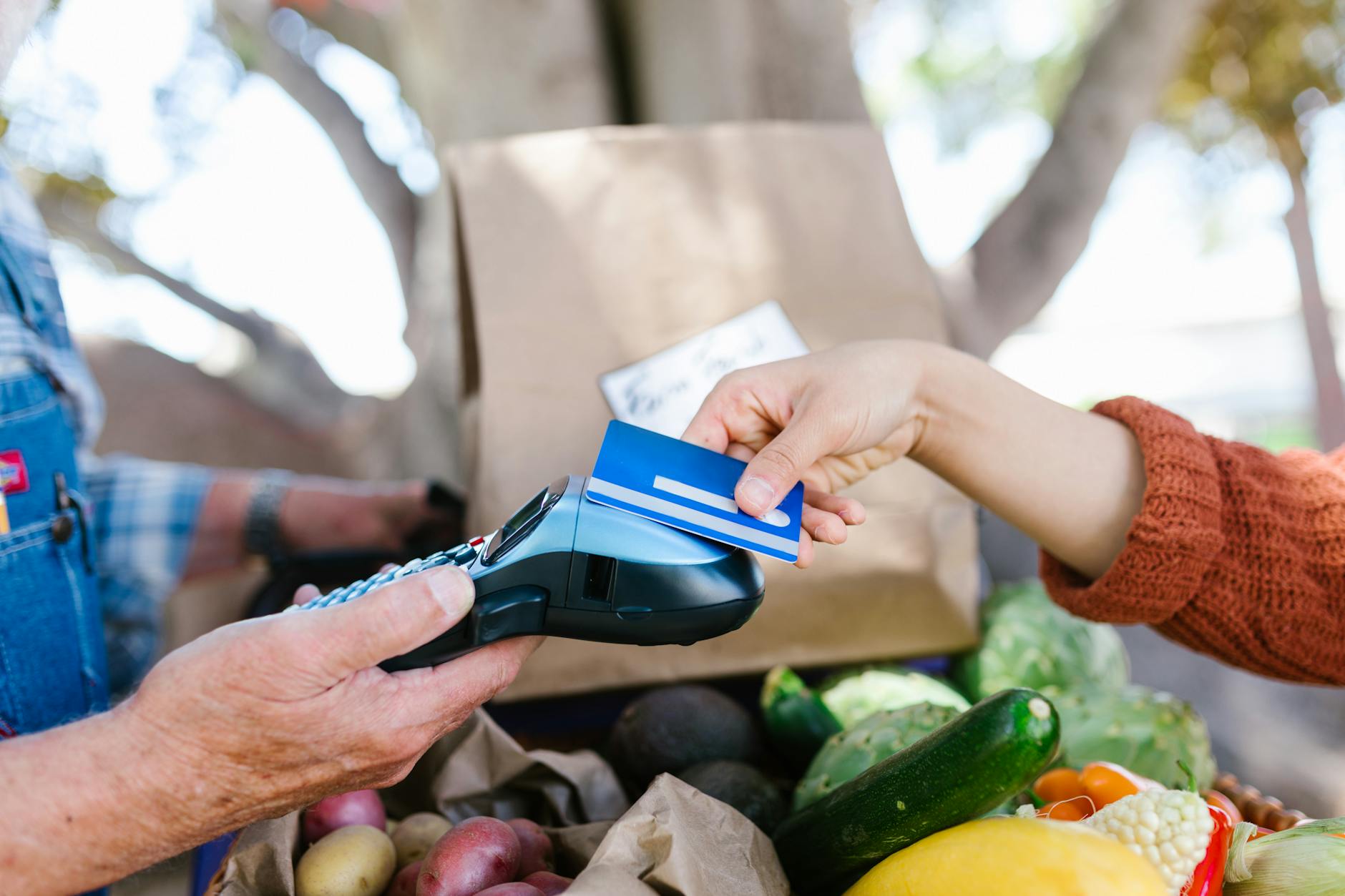
Introduction: A Realistic Look at Credit Card Theft
Credit card theft is not a page-one headline problem you’ll hear about once in a while. It’s a continuous risk that crawls into daily life through sneaky scams, weak passwords, and just bad timing. The good news is that you can stack the odds in your favor with clear habits and simple tools. If you want to protect yourself from credit card theft, you don’t need a tech degree or a million-dollar budget—just a plan you can stick to. In this article, you will find practical steps, real-world examples, and concrete numbers you can use to reduce your risk and speed up recovery if trouble arises.
Protecting Your Physical Card: The First Line of Defense
The easiest way for a thief to use your money is to get hold of your card in person. With the card, a scammer can skim data at a store, copy the details, or simply run up charges while you’re distracted. Stopping this upfront is one of the best ways to protect yourself from credit theft across all channels.
- Carry only the cards you plan to use. A bulky wallet increases the chance a card slips out of sight or gets left behind in a restaurant or rental car.
- Keep your card separate from cash and other cards when you’re traveling. If you can, use a small wallet or card holder that fits in a front pocket.
- Check your receipts. If you notice a mismatch between what you bought and the receipt, flag it immediately with the clerk and your issuer.
Phishing and Digital Tricks: How Scammers Try to Steal Your Card Details
A phishing email or text message can look perfectly legitimate, especially if it pretends to be from your bank or a trusted merchant. The reality is that many fraud attempts start online, then move to your card numbers, expiration dates, and security codes. The goal is simple: trick you into revealing data that can be used for unauthorized purchases.

- Always verify the sender. If you get a notice about your payment, don’t click a link in the message. Instead, go to the company’s official site by typing the URL yourself or call the customer service number on the back of your card.
- Watch for red flags: urgency, threats of account closure, or offers that push you to hurry a decision. These are classic signs of social engineering.
- Check the domain. A legitimate site will have a domain that matches the brand and uses HTTPS. If you’re unsure, do not proceed.
Smart Payment Habits That Help You Protect Yourself From Credit Theft
Payment habits are your daily shield. They add up to a big difference over time. Here are practices that cut risk without adding friction to your routine.
- Use chip cards for in-person purchases. The dynamic code created for each transaction makes cloning harder for criminals.
- Opt for contactless payments when available. These often use a tokenized process that keeps your actual card number out of the merchant’s system.
- Limit the number of sites where you store card data. When online shopping, consider using a virtual card number or a trusted wallet instead of saving your primary card details on every site.
- Review the merchant’s legitimacy before entering details. If a site looks unprofessional or lacks contact information, walk away.
Online Safety: Passwords, Apps, and the Right Tools
Your digital keys are as important as your physical card. Strong, unique passwords, two-factor authentication (2FA), and careful app choices are essential to protect yourself from credit theft in the digital world.
- Use a password manager. A manager creates long, unique passwords for every site and auto-fills them securely. This stops you from reusing simple passwords across sites.
- Turn on 2FA wherever possible. Even if someone steals your password, a second step—like a code from your phone—slows or blocks access.
- Keep your devices updated. Software updates include security patches that guard against new kinds of attacks.
- Avoid public Wi-Fi for financial tasks. If you must use public Wi-Fi, use a trusted virtual private network (VPN) and avoid logging into bank or card accounts on the spot.
How to Monitor Your Credit Card Activity Like a Pro
Frequent monitoring is the practical backbone of protecting yourself from credit incidents. You’ll catch unauthorized charges fast and minimize losses.
- Set up instant alerts for any purchase, including $1 or $0.50 tests. Quick alerts mean faster action.
- Check your balance daily—at minimum once a day. A few minutes each day can stop a mountain of trouble later.
- Review monthly statements for patterns: unknown merchants, unusual locations, or odd purchase sizes.
- Know your rights and the dispute process. The sooner you report, the easier it is to reverse charges and replace lost funds.
What Happens If You Suspect Fraud?
If you notice a charge you didn’t authorize, act quickly. The window for dispute often matters for recoveries, and most issuers have steps you can take within 60 days of a statement.

- Call your card issuer immediately and report the charge. Ask for a temporary freeze while you investigate.
- Dispute the charge in writing if your issuer requires it. Keep notes about dates, amounts, and conversations.
- Request a new card number. The issuer can cancel the old card and issue a replacement to prevent further use.
- Check for other vulnerabilities. If a phishing email got your data, update passwords and enable 2FA across your accounts.
Real-World Scenario: How a Simple Mistake Can Lead to Theft
Several years ago I received an email that looked like it was from a web host I trusted. The note claimed there was a problem with my payment information and urged me to update it immediately. I clicked the link, entered my card number, and woke up to two unauthorized charges the next day. The error wasn’t the card trick itself; it was a breakthrough reminder that phishing lives online and that everyday actions can expose you. The lesson is simple: to protect yourself from credit theft, you must treat every unexpected prompt with caution, then verify through the official site or a known phone number instead of the link.
From that moment on I built a routine that helps others avoid the same trap. It starts with a mindset—always scrutinize requests for payment information—and ends with a practical series of steps you can implement today.
Step-by-Step Checklist You Can Use Now
Follow this 12-item checklist to steadily reduce risk and improve your response time if a problem arises.
- Enable real-time purchase alerts on every card.
- Keep the number of active cards to a minimum; deactivate unused cards in your account if possible.
- Use EMV-enabled readers whenever you can; avoid swiping where possible.
- Use virtual cards for online purchases and don’t store card numbers in browsers.
- Set up 2FA on banking and card services and keep your phone secure.
- Review transactions weekly for any unfamiliar merchants or locations.
- Limit online stores where you save card data and prefer trusted wallets.
- Never share your CVV or full card number in email or text messages.
- Watch for phishing signs: urgent language, suspicious domains, or requests to “confirm” your data.
- When traveling, notify your issuer of your itinerary to reduce trip-wire flags.
- Keep your contact details up to date for faster notices during a fraud event.
- Have a plan: know how to contact your issuer, how to dispute a charge, and how to replace a card quickly.
Conclusion: Small Habits, Big Protection
Protecting yourself from credit card theft isn’t about chasing extreme scenarios. It’s about adopting a steady rhythm of awareness, secure practices, and quick responses. By combining smart in-person habits with careful digital behavior and reliable monitoring, you can dramatically reduce your risk and recover faster if something goes wrong. Remember the core idea: stay vigilant, use the right tools, and act fast when you spot anything fishy. With these steps, you’ll be better prepared to protect yourself from credit card theft and keep your finances on track.
Frequently Asked Questions
Q1: What exactly is credit card theft?
A1: Credit card theft means someone uses your card information—either the physical card or data learned online—to make unauthorized purchases. That can happen in person through skimming, or online via phishing, data breaches, or merchant fraud.
Q2: How can I quickly spot a phishing attempt?
A2: Look for generic greetings, spelling and grammar mistakes, urgent language, and requests for sensitive data. Always verify the sender by contacting the organization through official channels rather than clicking links in the message.
Q3: What should I do first if I notice a suspicious charge?
A3: Call your card issuer immediately to report the charge, freeze the card if available, and start a dispute. Then review recent activity to see if other accounts were affected and update your passwords if needed.
Q4: Are there tools to help protect yourself from credit theft?
A4: Yes. Use real-time transaction alerts, a password manager, 2FA for accounts, virtual card numbers for online shopping, and a trusted digital wallet. Regularly update devices and apps to patch security gaps.


Discussion