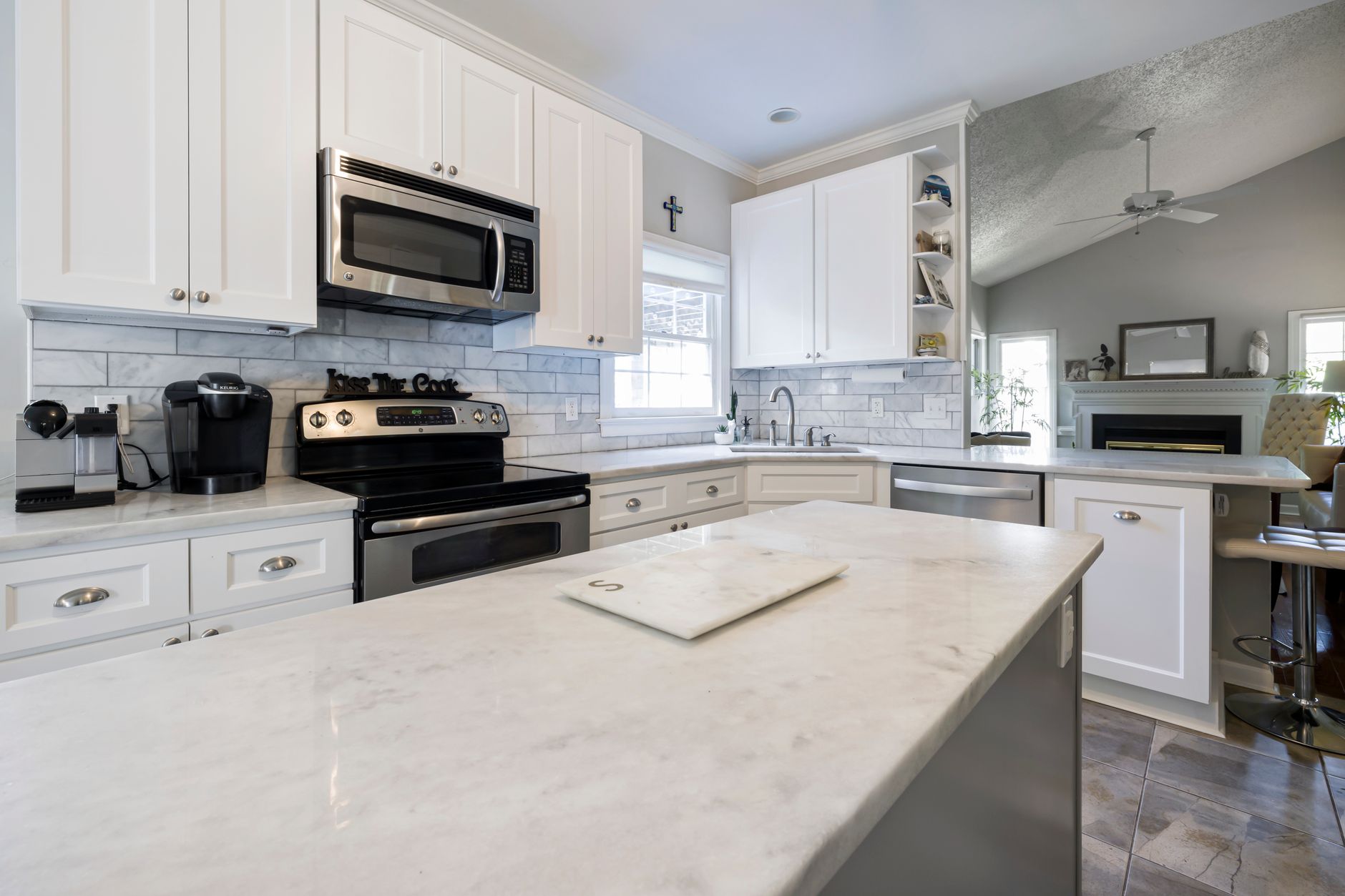
What a Quartz Tariff Could Do to Your Kitchen Renovation
As the housing market cools and renovation wallets tighten, U.S. policymakers are weighing a tariff that could slam into kitchen upgrades. The U.S. International Trade Commission has flagged imported quartz surfaces as harmful to domestic producers, and the White House is weighing whether to act. The decision could redefine how much homeowners pay for a centerpiece of modern kitchens.
The debate centers on whether a quartz countertop tariff could reshape home improvement budgets in ways that extend beyond manufacturers. If signed into law, prices at the showroom could jump as importers pass along higher costs to distributors and fabricators, who then push the higher prices down the line to homeowners and builders.
How a Tariff Could Reshape Costs Across the Remodeling Chain
Tariffs act as taxes on imports, and the chain reaction typically runs from suppliers to homeowners. A quartz countertop tariff could push up the price of slabs and finished countertops, delaying projects or forcing homeowners to scale back. Industry sources warn the impact won't stop at the showroom; it travels through distributors, fabricators, installers, and remodelers, finally affecting the price of a completed kitchen.
Analysts and contractors say the numbers are painful but plausible. One veteran fabricator in the Midwest notes that even a modest tariff could lift the installed cost of a midrange quartz countertop by several hundred dollars per project, depending on size and existing project plans. The practical effect: a kitchen that once fit a budget now becomes a stretch for many buyers.
Why This Is Back in Focus Now
Inflation, supply-chain bottlenecks, and a wave of housing demand that has cooled only modestly since last year keep remodeling on the front burner for households. The quartz countertop tariff could magnify those pressures just as homeowners plan multi-year improvements, an era when many are juggling higher mortgage rates, rising labor costs, and tighter financing conditions.
“This policy could redefine the math of a kitchen project,” said Maria Chen, a remodeling contractor in Dallas. “If tariffs become law, the price difference between quartz and other surfaces could matter more than ever.”
Ripple Effects Across Industry and Homeowners
Tariffs affect more than a single product. Imported slabs flow through a network that includes distributors, fabricators, and installers. Each step adds value, but higher input costs can erode demand for remodeling projects. Builders might defer upgrades, while homeowners could postpone renovations altogether, choosing smaller projects or different materials.
Market watchers warn that the broader economy could see spillover effects if demand declines. Home improvement retailers could face slower sales, and small contractors who rely on a steady stream of kitchen installs may see utilization drop. In markets still rebounding from the pandemic-era boom, even small price shifts can push households to rethink timing and scope.
What Industry Experts Are Saying
- Analyst perspective: “The quartz countertop tariff could alter project economics for millions over the next 12 months,” says Aaron Blake of MarketPulse Research. “If enacted, expect a noticeable shift in project planning and financing decisions.”
- Contractor insight: “Many homeowners postpone large renovations when the bottom-line climbs,” notes Lisa Moreno, owner of BrightStone Renovations in Phoenix. “The question isn’t only about price, but about the value of a remodel in a volatile cost environment.”
- Fabricator view: “Quoting a project becomes riskier when input costs are unsettled,” says Samuel Ortiz, who runs a countertop shop in Orlando. “A tariff could compress margins and force tighter project scopes.”
Numbers to Watch
- Installed quartz countertop cost today: estimated range for a midsize kitchen is roughly $3,000 to $6,000, depending on slab quality and edge details.
- Projected impact if tariffs are enacted: some projections suggest an added $600–$1,200 on a typical kitchen project, with larger kitchens bearing more of the burden.
- Employment angle: certain industry analyses warn the policy could cost more jobs in the broader remodeling ecosystem than it creates, a ratio some experts peg near 13 to 1 for every new manufacturing job credited by the tariff.
- Timing: if the White House approves the measure, tariffs could take effect within 30 days of signing and enforcement could begin almost immediately for new orders.
What Homeowners and Builders Can Do Now
With policy decisions still pending, buyers and builders face a wait-and-see period. Here are practical steps to mitigate risk and stay on track with projects:
- Explore alternative materials: granite, porcelain, recycled glass composites, or solid-surface options may offer price and performance trade-offs that fit budgets.
- Shop early and lock in prices: if a tariff is announced, securing quotes and placing orders sooner could limit exposure to sudden price jumps.
- Consider design flexibility: choosing standard edge profiles and common slab sizes can reduce waste and quoting variance.
- Leverage financing and timing: homeowners can combine promotions, financing options, and phased renovations to spread cost risk.
Bottom Line for 2026 Home Renovation Budgets
The possibility that a quartz countertop tariff could become law adds a new layer of uncertainty to an already challenging remodeling environment. For homeowners weighing a kitchen upgrade this year, the central question remains: will you pay more for the look you want, or will you adjust to a different material or project scope? The answer hinges on policy actions in the coming weeks, as well as the broader trajectory of construction costs and housing demand in a market that keeps shifting with every new headline.

Discussion