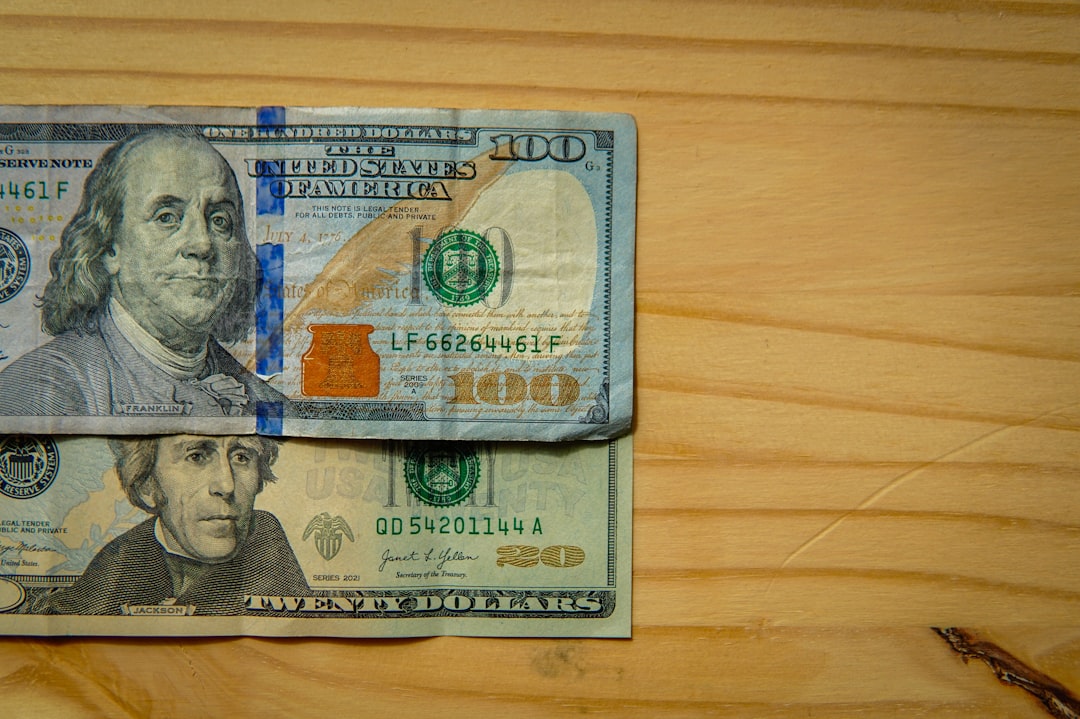
Overview: The Debate Over the U.S. Dollar’s Global Role
A key moment in the currency debate arrived this week as analysts at STANDARD CHARTERED presented a counter-narrative to fears of a broad de-dollarization trend. Rather than a world moving away from the U.S. dollar, their analysis emphasizes a process of re-dollarization driven by corporate behavior and investor demand for U.S. assets. The bank publicly aligned with the view that the dollar remains the dominant reserve and funding currency even as some countries diversify.
The backdrop is timely. In late June and early July, global markets have grappled with high sovereign debt loads, sanctions friction, and a steadily evolving set of non-dollar trade settlements. The question on many desks: is the dollar’s hegemony eroding, or is it simply evolving toward a new equilibrium?
Standard Chartered’s Stance: Re-Dollarization, Not De-Dollarization
During a July 15 briefing at its Singapore office, Divya Devesh, co-head of FX research for ASEAN and South Asia at Standard Chartered, laid out a clear position. She argued that the world has not entered a broad de-dollarization camp. Instead, she sees the process as re-dollarization in disguise: exporters continue to hold dollars, and investors still prize U.S. equities and dollar-denominated securities.
“We’re not really in this de-dollarization camp,” Devesh said. “What we’re seeing is re-dollarization in practice: exporters accumulate dollars, and global capital markets remain heavily priced to U.S. growth and earnings.”
What the Data Say About the Dollar’s Share
The discussion hinges on widely tracked statistics about reserve holdings and currency usage. The U.S. dollar’s share of global foreign exchange reserves has trended lower over the past two decades, but remains well above any rival currency. Specifically, the share slipped from a peak near 71% in 1999 to roughly 57% in 2024, marking its lowest point in more than 25 years. Central bankers and market strategists have debated whether this is a dramatic pivot away from the dollar, or a normalization after an era of dollar dominance that simply outpaced others.
Standard Chartered’s team suggests the decline is less about abandonment and more about diversification, a pattern that does not necessarily presage a long-term dismantling of dollar liquidity and reach. The firm argues the greenback’s liquidity, depth, and risk-adjusted returns continue to attract inflows from dollar assets and cross-border funding requirements.
Asia’s Gold Play and the Non-Dollar Playbook
Around Asia, central banks have been actively de-risking from the dollar, while gold remains a core diversification tool. The People’s Bank of China has stepped up multi-month gold purchases as part of a broader push to broaden its reserve asset mix. The Reserve Bank of India has taken steps to repatriate gold to domestic vaults, signaling a preference for asset safety and domestic credibility in the wake of global volatility.
In this context, Standard Chartered notes that non-dollar trade arrangements and domestic reform across various economies could coexist with a strong U.S. dollar risk premium. The bank’s economists acknowledge debt dynamics in the United States, including concerns over fiscal trajectories and policy shifts, but contend these forces do not automatically translate into a wholesale shift away from the dollar by global markets.
The Fiscal Context: Debt, Policy, and Global Interdependence
Standard Chartered’s economists acknowledge that U.S. federal debt levels are a longer-term risk factor. Yet they point out that many other major economies face similar fiscal pressures, suggesting a global system where currency preferences are shaped by growth prospects, inflation expectations, and financial-market liquidity rather than a single country’s politics alone.
Eric Robertsen, the bank’s chief strategist and global head of research, framed the argument this way: negative views on U.S. policy or deficits don’t automatically translate into a durable, system-wide shift away from the dollar. The broader takeaway is that liquid markets, the depth of U.S. capital markets, and the attractiveness of dollar-denominated assets remain intact, reinforcing the case for re-dollarization in the sense of continued dollar importance rather than a collapse in greenback demand.
What This Means for Your Personal Finances
For everyday investors and savers, the Standards Chartered view translates into practical guidance. If the dollar remains the dominant funding and reserve currency, diversification should be balanced with an awareness that significant non-dollar opportunities exist, especially in assets tied to global growth and non-dollar markets. Here are a few implications to consider:
- Keep a core allocation to dollar-denominated assets to maintain liquidity and ease of rebalancing during market stress.
- Explore selective exposure to non-dollar assets, including local-currency bonds and equities in growing economies, while monitoring currency risk.
- Consider gold and other safe-haven assets within a diversified portfolio, given the central-bank gold-buying trend in Asia.
In short, the re-dollarization narrative—if one exists—encourages a prudent, balanced approach rather than a reckless pivot away from U.S. markets. For personal finance readers, it’s a reminder that the U.S. dollar’s role in global finance remains robust even as markets experiment with new tools and diversified reserves.
Market Reactions and What to Watch Next
Market participants have kept a cautious lens on the dollar, watching inflation trends, U.S. growth data, and policy signals at the Federal Reserve. If re-dollarization holds, expect persistent demand for dollar-denominated assets, persistent liquidity in U.S. markets, and a gradual broadening of non-dollar instruments that complement, rather than replace, the dollar system.
Key indicators to follow include the evolution of central-bank gold reserves, the pace of non-dollar trade settlements reported by major economies, and shifts in corporate hedging practices that reveal how exporters manage currency risk in a changing global environment.
Bottom Line: A Nuanced View of a Dollar-Centric World
Standard Chartered’s take hinges on a crucial distinction: de-dollarization would imply a broad abandonment of the dollar’s central role, while re-dollarization describes a real, ongoing build-out of dollar-friendly behavior by firms and investors. The bank’s analysts contend that the global financial system is not tilting away from the greenback; it is evolving to sustain dollar liquidity while diversifying reserves and exposure.
For readers focused on personal finance, the message is clear: stay diversified, monitor currency exposure, and recognize that the dollar’s grip on global markets remains firm even as non-dollar tools gain traction. Whether this path proves temporary or lasting, the current data and policy signals point to a world where re-dollarization, not de-dollarization, dominates the conversation for now.

Discussion