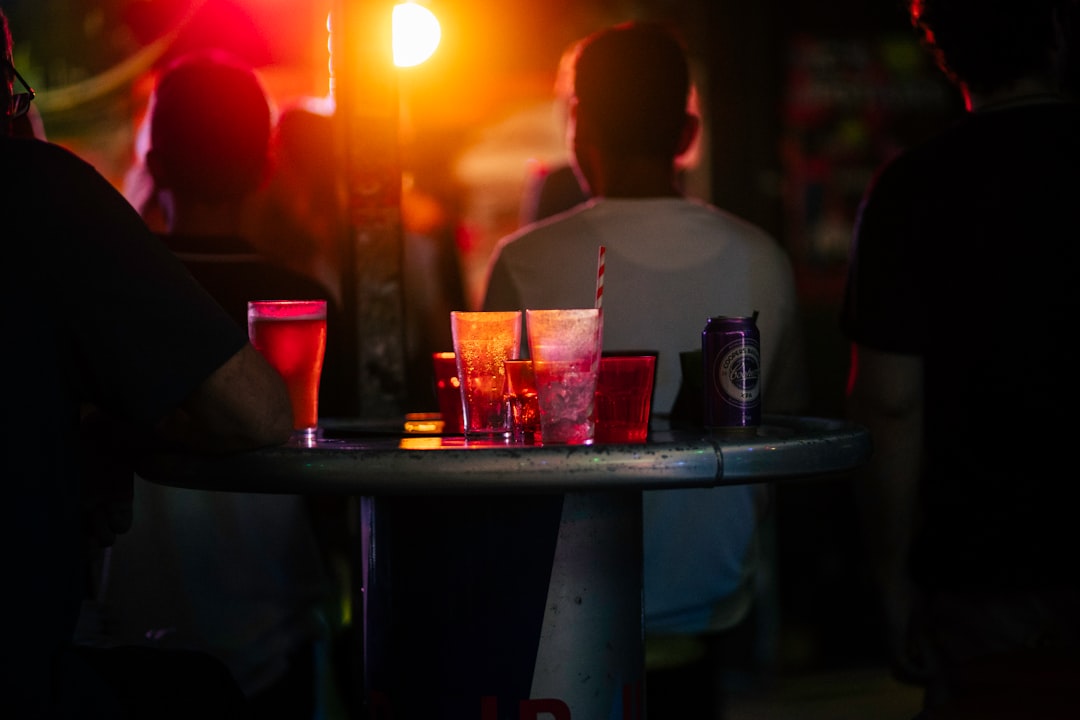
The New Playbook: Why Summer Drinking Looks Different This Year
Summer used to come with easy spending: casual drinks after work, porch hangouts, and spontaneous nights out that added up by the end of the season. Today, a generation of young adults is choosing a different path. They still drink, but the way they plan, purchase, and pace themselves is influenced by money, sleep, and wellness. The idea that the rules summer drinking being written anew is not just about resisting alcohol; it is about shaping experiences so they don’t derail budgets or goals. If you want to understand what to do with your own summer plan, notice how these trends blend money smarts with social fun.
In this article, we’ll explore practical strategies you can use right away. You’ll find budgeting ideas, social planning tips, and real world scenarios that show how small changes can protect your bank account without killing the vibe.
So What’s Changing? The Core Shift in Summer Habits
Across the country, the younger crowd is not opting out of summer drinking. Instead, they are choosing to drink more intentionally, spreading out purchases, and balancing social life with sleep and health. The conversation isn’t about denial; it’s about smarter decisions that align with financial goals and daily routines. This shift supports a core idea: the rules summer drinking being redefined by a new generation that values both fun and fiscal responsibility.
For many, the motivation comes from three practical concerns: how alcohol affects sleep, how much money is spent over a week or month, and how to stay within personal limits while enjoying time with friends and family. When you combine these factors, it makes sense that fewer impulsive buys and more planned choices show up in survey data and everyday behavior. The upshot is clear: you don’t have to choose between a good time and a good budget.
How This Impacts Your Wallet: A Simple Financial View
The average price of a cocktail at a busy summer spot can range from 9 to 15 dollars, with craft drinks possibly higher. A typical weekend outing might involve two to three drinks, snacks, and transportation. If you attend eight gatherings in a month, you could easily spend several hundred dollars on alcohol and related costs. The practical message is simple: small changes in how you drink can add up to real savings over the season.
Let’s frame a few numbers you can use as a starting point for your own plan. Suppose you choose to cap your personal alcohol budget at 50 dollars per week during peak summer months. If you adjust your plan to 3 drinks per week on average instead of 6, you could save roughly 20 to 30 dollars weekly and even more if you substitute some nights with non-alcohol options. Over a 12-week period, that could mean 240 to 360 dollars kept in your savings or redirected toward goals like vacation, debt repayment, or an emergency fund.
Pro Tip: Build a Simple Summer Drinking Budget
Two Paths: Moderation vs. Mindful Splurges
Many young adults are embracing a blend of moderation and mindful splurges. That means you might have a few high-end experiences, but you balance them with more economical play during other weekends. The goal is to maximize value and minimize regret, not to remove social life from the calendar. This approach aligns with the broader trend of rules summer drinking being reimagined in ways that favor long-term financial health.
Moderation Without Missing Out
Moderation doesn’t have to feel like a drag. You can tailor your approach to fit the setting and your goals. For instance, at a happy hour, you might choose beer or wine by the glass instead of ordering multiple cocktails. If you’re at a barbecue, rotating a few non-alcoholic options like sparkling water with a splash of juice can give you a similar social experience at a fraction of the cost. A practical rule is to set a per-event limit, such as 15 dollars for drinks, and to reserve the rest of the budget for food and activities.
Mindful Splurges That Matter
There are times when a special occasion deserves a splurge. In those moments, consider what you are paying for—craft ingredients, a venue with a special vibe, or a memorable guest experience. Prioritize purchases that amplify the memory, not the buzz. For example, choosing one signature cocktail at 12 to 15 dollars, and then drinking water or a non-alcohol option for the rest of the night, can deliver a high-value experience without exploding costs.
Pro Tip: Smart Social Planning
How to Put These Ideas Into Action: A Practical 8-Week Plan
Use this plan as a template to gradually adopt the new rules summer drinking being shaped by today’s young adults. It keeps fun in the center while protecting your finances and sleep.
- Define a weekly alcohol budget: Start with 40–60 dollars per adult in your household, then adjust based on events or social calendars.
- Set per-event limits: Decide on a cap for each outing (for example, 15–20 dollars for drinks).
- Choose drinks with cost-conscious options: Order wine by the glass, select beer on tap, or mix cocktails using cheaper bases and fewer ingredients.
- Track your spending: Use a simple app or a shared spreadsheet with a running total for the summer.
- Prioritize non-alcohol nights: Plan at least 2 nights a week without alcohol to save money and improve sleep.
- Plan social calendars around value: Attend free or low-cost events like outdoor concerts or community picnics when possible.
- Keep a hydration routine: Alternate every alcoholic drink with water to pace your intake and feel better the next day.
- Review and adjust: After every four weeks, review what worked, what didn’t, and tweak your budget and plans.
Case Studies: Real-Life Scenarios
Let’s look at how real people might apply these ideas during a busy summer. These are illustrative scenarios designed to show how small decisions add up, not as a precise forecast.
Scenario A: A 25-Year-Old Recent Grad Starting a New Job
Alex just landed a new job and wants to enjoy weekend gatherings without inflating expenses. Alex sets a weekly alcohol budget of 40 dollars, prioritizes social events with free or low-cost activities, and uses a simple envelope method for discretionary spending. On a typical Friday, Alex chooses a glass of wine at a nearby bar for 8 dollars and splits the rest of the night with water and conversation. On Saturdays, Alex hosts a potluck with friends and brings a 15-dollar bottle, cutting the cost of a single night out by half. Over the three-month peak season, these tweaks could save 400 to 600 dollars, money that could go toward a vacation fund or debt repayment.
Scenario B: A 28-Year-Old Professional with a Busy Social Calendar
Jordan balances work, family, and a bustling social life. The approach here focuses on intentional nights out with strong value. Jordan picks 4 outings per month where a higher-quality experience is desired, sets a maximum spend of 25 dollars per event for drinks, and uses free or low-cost meetups most weekends. The remaining weekends are reserved for home gatherings or community events that don’t center on alcohol. This approach protects family time and sleep while keeping the social pulse intact. In a 6-month span, that can equate to a savings of 500–800 dollars that can fund a family trip or a home improvement project.
Scenario C: A 32-Year-Old Budget-Conscious Planner
Sam treats the season like a mini financial sprint. Sam creates a shared calendar of events with friends and blocks off budget-friendly options, such as outdoor concerts, picnics, and beach days that pair well with water and mocktails. Sam negotiates group discounts for events when possible and chooses venues with no cover charge. Sam’s plan keeps social connections strong while trimming unnecessary costs. If Sam avoids two costly nights per month, the savings can be substantial enough to fund a weekend getaway at the end of summer.
Sleep, Well-Being, and the Bigger Picture
One less obvious driver behind the new rules summer drinking being is the link between alcohol, sleep, and daily functioning. Many younger adults cite better sleep as a top reason to drink less or pace drinks more carefully. Poor sleep affects mood, energy, and productivity—factors that matter when you’re trying to advance in your career or manage a busy family life. In the long run, prioritizing sleep can amplify the value of any social outing because you’ll wake up refreshed and ready for the day, not groggy and stressed. When you see the bigger picture, moderation makes financial sense and life feels more sustainable.
The Pitfalls to Watch For (And How to Avoid Them)
Even with good intentions, it’s easy to slip back into impulsive patterns. Here are common traps and practical antidotes:
- Social pressure: Plan an exit strategy or a polite limit when conversations push you toward more drinks than you planned.
- Hidden costs: Don’t forget transportation, tips, and food. Include these in your per-event cap.
- Events back-to-back: Rotate light drink nights with zero-drink nights to prevent cumulative overspending and fatigue.
- Untracked spending: Use a single place to log every drink, so you don’t lose track by the end of the week.
Putting It All Together: A Concrete Roadmap for This Summer
The new rules summer drinking being embraced by many is really about aligning social life with financial goals and personal well-being. By setting budgets, planning events, and choosing smarter drink options, you can keep the fun intact while reducing stress on your wallet and your sleep schedule. The key is to start small, test your plan for a month, and then scale up or down as needed. With deliberate practice, you’ll likely find that you can have excellent experiences all summer without sacrificing your financial health.
Frequently Asked Questions
Q1: What does the phrase rules summer drinking being really mean for my finances?
A1: It signals a shift toward mindful consumption where you enjoy social occasions without letting alcohol drive overspending. It’s about intentional planning, setting limits, and balancing fun with savings goals.
Q2: How can I start a summer budget for drinking without feeling deprived?
A2: Start with a weekly cap (for instance, 40–60 dollars). Plan 2–4 low-cost or free social activities per week, and reserve some nights for non-alcohol fun. Use reminders to pace yourself and track every purchase.
Q3: Are there quick tactics to save money when I go out with friends?
A3: Choose venues with happy hours, order drinks by the glass, share appetizers, and rotate hosts for gatherings. Bring your own non-alcohol options to a bar with a limited selection, or suggest a potluck at home to cut costs.
Q4: How can I ensure I sleep well after drinking on a warm summer night?
A4: Hydrate with water between drinks, have a non-alcohol option, and avoid late-night heavy meals. A consistent sleep schedule is easier to maintain if you pace drinking and keep a predictable routine.
Conclusion: The Rules of Summer Drinking Are Being Rewritten
As the rules summer drinking being rewritten by a new generation, you have a choice: let the season impose cost and fatigue, or design a plan that preserves both your social life and your finances. Start with small steps—a weekly budget, an event cap, and at least one alcohol-free night—and monitor how it feels after four weeks. The goal isn’t perfection; it’s sustainability. A well-thought-out approach can make this summer not just memorable, but financially smarter and better for your sleep and daily energy as well.
Next Steps: Turn Intentions into Action
If you’re ready to adopt a smarter summer drinking plan, begin with a quick audit of your last month’s spending on beverages, transportation, and meals tied to social events. Then set your first two goals for the coming month: a per-event limit and at least one alcohol-free weekend. Track progress, adjust, and you’ll be well on your way to mastering the new playbook for summer fun without overspending.

Discussion