Top Line: Dry Weather Could Worsen a Broke Farm Wallet
As a rare Super El Niño takes shape in the Pacific, farmers across the heartland brace for new drought risk and stressed water supplies. The forecast arrives at a fragile moment for rural america’s farms already grappling with high costs, volatile prices, and tighter credit. Forecasters warn that the drought could linger for years, potentially trimming yields just when producers can least afford another squeeze.
In June 2026, analysts say the convergence of weather risk and financial stress could amplify losses for many operations. The warning lights are flashing just as lenders have begun to re-check cash flows and crop plans for the 2027 season.
Economic Backdrop: Uneven Recovery, Fading Profits
Farm income has been a seesaw ride since the pandemic began. While some crops rebounded after 2020, the sector has faced persistent headwinds: input costs rose sharply and financing terms hardened as the Federal Reserve tightened policy to curb inflation. The result is thinner margins and a higher risk of insolvency for smaller operations.
Industry observers note that rural america’s farms already faced a debt-to-income crunch. Banks have signaled they will pursue stricter covenants and more rigorous repayment schedules, even as demand for operating loans remains elevated.
Weather Risk: The El Niño Factor and Water Stress
El Niño forecasts this season point to drier corridors across the Plains and parts of the West, with soil moisture and reservoir levels dipping below normal. If drought persists into 2027, crop calendars could shift, forcing farmers to alter planting windows and crop mixes at the last minute.
Energy and water experts warn that a prolonged drought would not only trim yields but boost irrigation demands, further raising diesel and electricity costs for farms relying on pumped water. The potential for sustained stress on rural America’s farming regions is real, according to several forecasting teams.
Financial Health: Costs, Credit, and Crop Markets
Producers are contending with higher fertilizer, diesel, and equipment costs, even as crop prices swing with global demand. During this period, soybean and corn markets have shown renewed volatility, complicating revenue planning for many farms.
Analysts emphasize that the latest weather outlook compounds existing financial pressures. For rural america’s farms already enduring narrow margins, a protracted drought could threaten near-term loan repayments and working capital reserves.
What Farmers Are Saying: Ground-Level Voices
"We are watching the forecast closely, because a dry stretch could erase a year’s worth of gains in a matter of weeks," said a veteran corn and soybean producer in Iowa who asked not to be named. "El Niño isn’t just about dryness; it reshapes how we plan every acre and every input purchase."
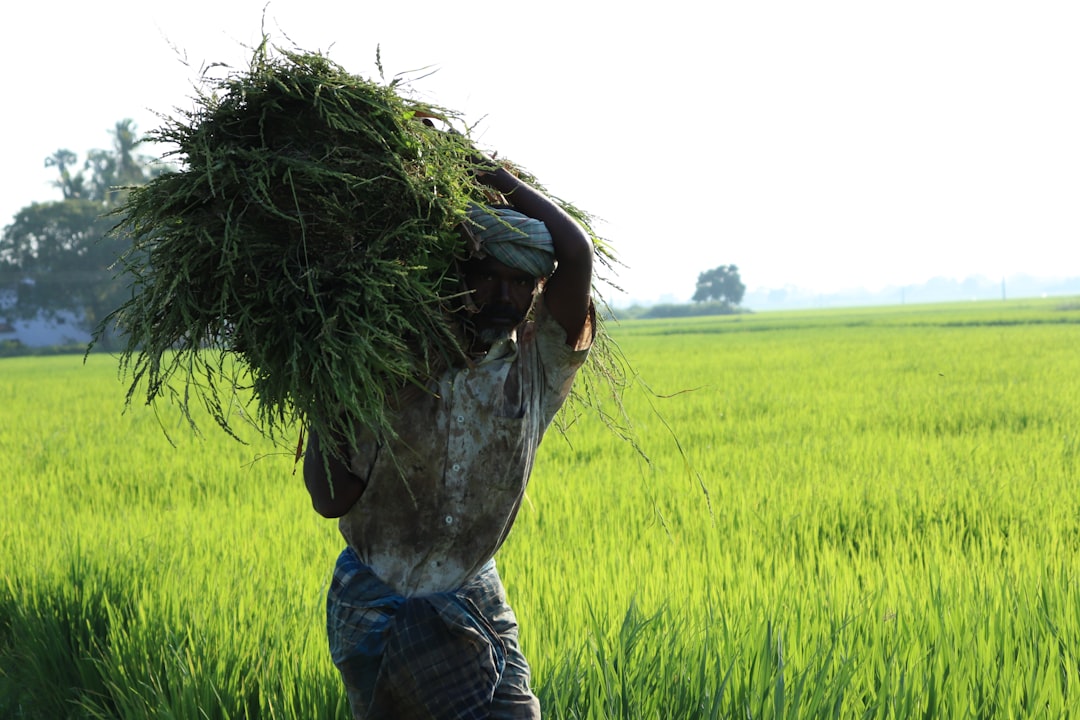
Another farmer in Kansas warned that fuel and fertilizer bills are already a heavy lift, noting that every percentage point of cost adds up when prices for cover crops and inputs stay elevated. "If drought extends, cash flow goes negative before harvest, and that’s the last thing a family farm needs."
Regional Impact: Who Feels the Pressure Most
The risk isn’t evenly distributed. The heartland’s dryland belts, along with grid-dependent irrigation regions, would bear the brunt of a prolonged drought. Grain belts, dairy corridors, and orchard regions could experience variable effects, but the common thread is tighter budgets and stronger pressure on balance sheets across rural america’s farms already operating with slim reserves.
- Debt levels remain elevated, with many farms carrying legacy loans and new operating lines that rely on favorable weather to stay current.
- Credit conditions are tightening, even as demand for working capital holds steady or grows in some regions.
- Input costs, especially fertilizer and diesel, have not returned to pre-pandemic norms and continue to weigh on profitability.
- Exports of major crops have shown volatility, influencing revenue streams and planning horizons for mid-sized farming operations.
Policy and Market Implications: What’s at Stake
Lawmakers and watchdogs are watching the weather risk alongside ongoing debates about farm subsidy programs and crop insurance design. A prolonged drought could accelerate calls to broaden risk management tools, expand drought relief, or adjust credit programs to help rural producers weather the storm without triggering widespread bankruptcies.
For the broader market, the health of rural america’s farms already matters for food supply chains, commodity markets, and regional employment. A sustained drought would ripple through related industries—from equipment dealers to fertilizer suppliers—and could affect prices faced by consumers at the grocery store.
Data Snapshot: Key Numbers to Watch
- El Niño forecasts place a multi-year drought risk in the Plains and Western states, with water scarcity intensifying irrigation costs.
- Farm input costs remain elevated, with fertilizer and fuel outpacing five-year averages by a sizable margin.
- Credit terms have tightened in many regions, even as loan demand persists for operating expenses.
- Crop price volatility persists, complicating forward pricing and planting decisions for the next season.
Bottom Line: A Turn in the Weather Could Tighten an Already Tight Wallet
The coming months will test resilience across rural america’s farms already. If the El Niño-driven drought proves longer or more intense than expected, producers could face a new wave of financial stress, forcing hard choices about crop mixes, land use, and debt management. In this moment, the focus is clear: protect liquidity, reassess risk exposure, and watch the skies as much as the markets.
Closing Thought: What Comes Next
As the weather outlook evolves, farmers, lenders, and policymakers must collaborate to keep rural america’s farms already from tipping into deeper distress. The hope is that timely relief, smarter risk tools, and a measured response to rising costs can blunt the worst effects of a potential drought while preserving the region’s farming backbone for years to come.

Discussion