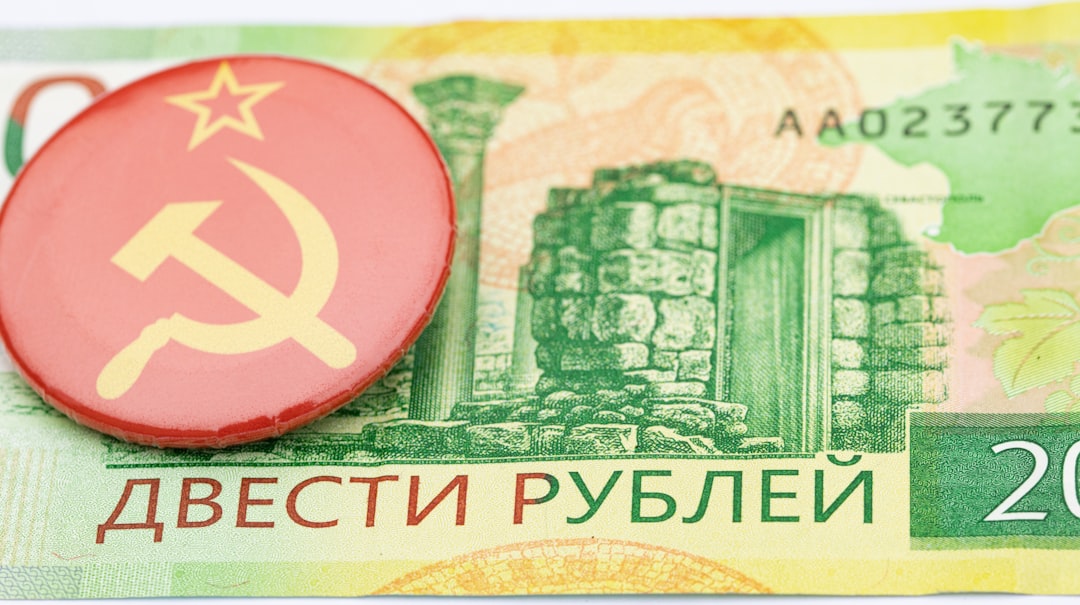
Russia’s Economy Much Worse Than It Seems Right Now
As global markets weigh Russia’s finances this spring, a growing chorus argues that russia’s economy much worse than Kremlin data shows. An alternate GDP gauge, backed by independent analysts, points to a sizable contraction since 2020, even as official tallies record modest growth. The discrepancy has real-world implications for households, savers, and investors watching oil revenue, inflation, and the ruble’s path.
What the new gauge is telling the market
Experts using nighttime luminosity and cross-border energy data estimate that the Russian economy shrank by roughly 8% between 2020 and 2024, a stark contrast to government claims of solid expansion. The method compares light output with energy use and mobility, offering a proxy that critics say better captures consumer activity and industrial slack than quarterly GDP snapshots.
Officials still publish official GDP figures, but the divergence is growing more visible as households face higher costs and exporters contend with tighter credit. Analysts caution that the discrepancy isn’t just academic: if the true economy is weaker, fiscal space shrinks and policy options become more constrained while the price of borrowed money climbs for households and firms alike.
Inflation, rates, and purchasing power
One of the most consequential gaps lies in inflation. Kremlin data for 2024 put inflation around the 10% mark, even as the central bank maintained a suite of double-digit rates to fight price growth. Sweden’s intelligence briefings and a high-ranking official’s assessments have suggested that real inflation could be meaningfully higher, closer to or above the central bank’s benchmark rate of 15% in recent conditions. That gap matters because it erodes household purchasing power and raises the cost of credit at a time when many Russians are already watching budgets tighten.
Market observers say the combination of stubborn inflation and elevated borrowing costs reinforces a tougher environment for families and small businesses. When the real cost of living outpaces wage gains, consumer demand slows, and the economy can slip from the lines that official GDP growth would imply.
Oil, sanctions, and government finances
Oil remains the largest swing factor in Russia’s fiscal health. The latest readings show Urals crude hovering near the mid-90s per barrel, a level that provides some relief to state coffers but may not be enough to sustain government spending if prices retreat or sanctions tighten. A senior analyst notes that sustained oil prices around or above 100 dollars would bolster the budget, but the window for relief can narrow quickly if geopolitical events shift supply expectations.
Geopolitics continues to complicate the outlook. Attacks on Russian oil export terminals by advanced drones have restricted some revenue gains from higher prices. Meanwhile, a potential ceasefire arrangement in the broader Middle East, which could loosen restrictions around the Hormuz Strait and Iranian supply, might push crude prices lower—dimming the revenue scenario for Moscow just when the domestic economy looks weakest by alternative measures.
Why the debate matters for investors and households
For everyday Russians, the message is clear: the official growth narrative may mask a weaker economy that shows up in prices, loans, and job prospects. For investors, the divergence raises questions about the durability of assets tied to Russia—government debt, equity, and currency exposure—under a regime where the true scale of economic slack is debated in policy circles and national security talks alike.
Two frameworks are competing for attention: the Kremlin’s optimistic growth story and the alternative gauge that signals a far bigger contraction. The tension matters because it informs everything from pension funds and bank lending to currency hedges and energy equities that are still sensitive to global oil dynamics and sanctions risk.
What to watch in the near term
- Official vs alternate GDP signals: Watch for any revision to 2020–2024 data or new independent estimates that corroborate or contest the contraction view.
- Inflation trajectory: If real inflation remains stubborn and the authority’s rate policy stays high, consumer budgets will stay under pressure even as growth data improves.
- Oil price guidance: Urals pricing, global oil demand, and sanctions developments will matter more than usual for fiscal planning and macro risk ahead of elections or policy reviews.
- Ruble dynamics: Currency moves can amplify import costs and affect savings, particularly for households with foreign-currency debt or exposure to imported goods.
- Policy response: Any shift in fiscal or monetary strategy aimed at bridging the gap between official data and ground reality could trigger quick market recalibration.
Bottom line for savers and strategists
The claim that russia’s economy much worse than officially acknowledged is not just a number game. It translates into tangible outcomes: higher living costs, tighter credit, and more volatility in energy-linked markets. As alternate gauges gain traction, households and investors should prepare for continued volatility even if headline GDP numbers appear to stabilize.
For now, the broad takeaway is clear: the economy’s true health may be worse than the headlines suggest, and the risk that policy and market expectations diverge remains elevated. As this story evolves, observers will be watching how the Kremlin reconciles official narratives with independent estimates—and how a tighter inflationary regime interacts with global commodity dynamics to shape Russia’s financial future.
Expert voices you should know right now
Market strategists say: “If the gap between official data and alternative gauges persists, it will compel investors to price in higher risk premia for Russian assets and to consider greater currency hedging.” Another analyst adds: “The coming months will reveal whether tighter policy can counterbalance real-world inflation and weak demand, or if the economy continues to underperform relative to the story told by policymakers.”
Discussion