
Oil Market Shock Deepens as Hormuz Disruptions Persist
In a candid earnings call this week, Amin Nasser, chief executive of Saudi Aramco, warned that the energy market faces a prolonged path to normalcy. He said the global oil system has been strained by ongoing disruptions to shipping through the Strait of Hormuz, a choke point that has historically carried a substantial share of the world’s crude and refined products.
“The energy supply shock that began in the first quarter is the largest the world has ever experienced,” Nasser told investors, signaling that even with rerouted trade and strategic‑reserve releases, the market remains out of balance for years rather than months. The cadence of disruption has forced refiners and consumers to adjust quickly, but the road to normal is far longer than typical cycle corrections.
On the call, he underscored that the problem is structural as well as temporary: the world has lost roughly 1 billion barrels of oil supply tied to the crisis, and it is now facing a weekly drain of about 100 million barrels so long as the Hormuz bottleneck remains largely closed to traffic.
The implications reach beyond headline price swings. Nasser stressed that the loss cannot be erased simply by reopening routes; the industry has faced years of underinvestment that left inventories thinner and inventories tighter than in prior cycles.
“Reopening routes is not the same as normalizing a market that has been deprived of about 1 billion barrels of oil,” he said, noting that supply gaps have been exacerbated by strategic moves to reroute shipments and the gradual drawdown of stockpiles around the world.
Those remarks come as energy markets grapple with a renewed sense of caution about supply resilience in an uncertain geopolitical landscape. Analysts say the Hormuz issue has pushed up the cost of risk for energy traders and could keep price volatility elevated for longer than typical supply shocks.
As a part of an immediate operational response, Aramco has leaned more heavily on its East‑West pipeline that traverses the Arabian Peninsula, a route designed to bypass the Strait of Hormuz when tanker traffic is constrained. The company has previously indicated the pipeline can move up to 7 million barrels per day at peak capacity, acting as a critical buffer during times of maritime disruption.
What the Numbers Show: A Crisis in the Making
- Global energy supply loss tied to the Hormuz crisis: about 1 billion barrels.
- Current weekly supply drain: roughly 100 million barrels, assuming the Strait remains largely closed.
- Share of world oil flows that passed through Hormuz before the crisis: about 20%.
- Aramco’s East‑West pipeline capacity: up to 7 million barrels per day at full tilt.
The sheer scale of the shortfall has forced governments and oil firms to lean on strategic reserves and to accelerate logistics adjustments, including alternative routing and cooperative production actions by major producers. While such measures provide temporary relief, Nasser’s message to markets was unmistakable: longer‑term supply constraints require longer‑term market readjustment.
Aramco’s Strategy: Keeping Supply Flowing Through Uncertain Times
Saudi Aramco has emphasized the importance of reliable energy supply to both the global economy and household balance sheets. By expanding non‑tanker routes and investing in pipeline capacity, the company aims to reduce the vulnerability created by a single chokepoint. The East‑West pipeline, which has ramped up to its maximum throughput of 7 million barrels per day, stands as a cornerstone of that strategy.
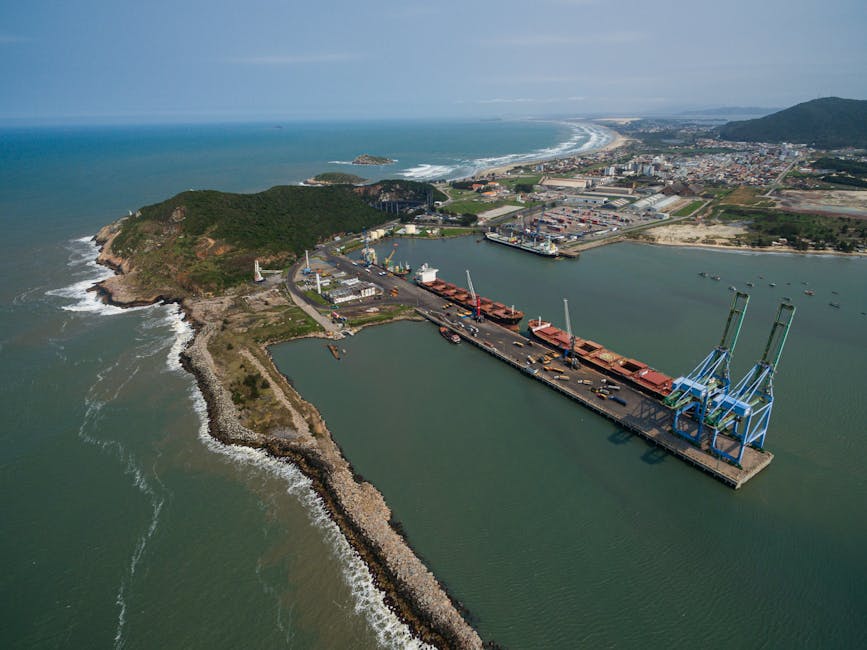
In addition to infrastructure moves, Aramco has supported broader market stabilization through coordinated releases of crude from national inventories and improved shipping logistics. Yet Nasser warned that such actions do not instantly restore the market to its pre‑crisis equilibrium, highlighting the residual demand rebound and inventory underbuild that followed a period of disruption.
“Our focus remains on reliability of supply and transparent communication with customers and partners,” he added, signaling that the company will continue to adapt operations as the geopolitical environment evolves. The company’s leadership emphasized that price signals and customer confidence will depend on the speed and clarity of policy responses from governments and the degree to which shipping lanes return to normal throughput.
Implications for Households, Investors, and Portfolios
The backdrop of an extended energy upheaval is shaping how households budget energy costs and how investors position in energy equities and related assets. With a sustained supply gap, some households could face higher utility bills and transportation costs, while investors weigh the risk of sustained volatility in oil markets, energy equities, and related derivatives.

For retail investors, this is a reminder that energy exposure remains a meaningful lever in personal portfolios. Diversification matters more than ever when a single chokepoint can reverberate across commodities, equities, and fixed income. The broader market mood remains cautious, with traders pricing in a scenario where the normalization of energy markets stretches beyond the typical cycle, echoing the message from saudi aramco warns markets this week.
What’s Next: The Path to Market Normalization
- Potential reopening of Hormuz traffic would ease supply stress but would not instantly restore inventory levels to what they were before the disruption.
- Any delay in normalization could keep volatility elevated in both oil and energy equities for months, not quarters.
- Policy responses from major economies, including strategic reserve actions and coordinated shipping measures, will play a critical role in stabilizing markets.
Analysts say the coming weeks will be critical to assess whether the current disruptions persist or begin to ease. In the near term, market watchers will monitor shipping data, inventory releases, and any geopolitical developments that could influence tanker routes and port operations. The headline takeaway from Aramco’s leadership is clear: the energy market is facing a multi‑year recalibration, not a brief correction.
Key Takeaways for 2026 and Beyond
- The Strait of Hormuz remains a pivotal risk factor for global oil supply and price direction.
- Amin Nasser’s assessment points to a multi‑year adjustment period for energy markets, with normalization possibly pushed toward 2027.
- Resilience measures, including pipelines and strategic reserves, are essential but not a substitute for a return to pre‑crisis inventory levels.
- Investors and households should prepare for continued volatility, with emphasis on risk management and diversification in energy exposure.
As the situation develops, investors should stay tuned to statements from Aramco and other major energy players, as well as any policy actions aimed at stabilizing energy markets. The headline takeaway remains consistent: saudi aramco warns markets that the road to normal might be longer than many anticipated, and that consumers and investors alike should adjust expectations accordingly.


Discussion