
Breaking News: A Bold Move Shakes the Fast‑Food Landscape
In a move that captures industry attention, Yum Brands disclosed that Pizza Hut will change hands for a total of $2.7 billion. The company outlined a split structure: LongRange Capital will acquire the mainland U.S. and international non-China operations for about $1.5 billion, while Yum China Holdings Inc. will buy the China business for roughly $1.2 billion. The China market represents about 19% of Pizza Hut’s global sales, underscoring the strategic significance of the deal for the brand’s future.
The news arrives as fast-food operators face tighter margins, shifting consumer tastes, and a wave of restaurant modernization. The sale marks one of the largest restaurant portfolio moves in recent years and comes amid a broader rotation in private equity toward mature brands with renewed brand- revitalization plans.
Leading the bid is a veteran private equity investor described by insiders as the man who saved Arby’s. People close to the matter say the individual assembled a consortium and secured commitments that turned a potential breakup into a coherent, scalable plan for Pizza Hut’s ongoing global footprint. He declined to comment publicly, but industry chatter underscores the perception of a high-conviction bet on a beloved global brand with a rich heritage and loyal customers.
Markets have watched the negotiations closely over the past weeks, with observers noting that the pie’s split is designed to preserve Pizza Hut’s international growth potential while locking in a stable base in the U.S. and other markets where the brand has formidable brand equity, but lagging performance in some markets due to underinvestment in stores and digital ordering.
As the deal moves into the closing stage, analysts say the buyer’s track record—especially in reviving mature brands—will be a key factor for lenders, franchisees, and suppliers who want to see clear execution plans and capital commitments for modernization and menu innovation.
Deal Structure at a Glance
- Total price: about $2.7 billion for Pizza Hut’s global assets, excluding and including certain regional units as described.
LongRange Capital will acquire the mainland U.S. and other international markets for roughly $1.5 billion. Yum China Holdings Inc. will buy the China operations for about $1.2 billion. Pizza Hut operates nearly 20,000 restaurants worldwide; the China market is a critical growth engine even as competition intensifies. The split aims to align capital with regional growth dynamics while giving each buyer a clear runway for modernization.
Industry insiders point to the two-pronged approach as a way to balance execution risk with growth opportunities. The China team, already a major revenue source, will be insulated with a local ownership structure. In other markets, the buyer will have direct access to capital for digital upgrades, store redesigns, and supply-chain enhancements.
Observers and market watchers are also interpreting the move as a broader signal. The private equity veteran behind the bid has repeatedly stressed the importance of updating legacy brands rather than letting them atrophy under aging real estate and outdated menus. The phrase saved arby’s betting $2.7 is now surfacing in industry chatter as shorthand for this kind of high-stakes, brand-led revival strategy across mature chains.
Why Pizza Hut, Why Now?
The deal comes at a time when the restaurant sector is recalibrating after a decade of rapid expansion and post-pandemic readjustments. Pizza Hut, founded in 1958 and famous for its red-roofed architecture, has long faced pressure from agile competitors and a heavy real estate burden. Even as its delivery channels expanded, guests often cited a need for modernization, better menu flexibility, and stronger digital engagement.
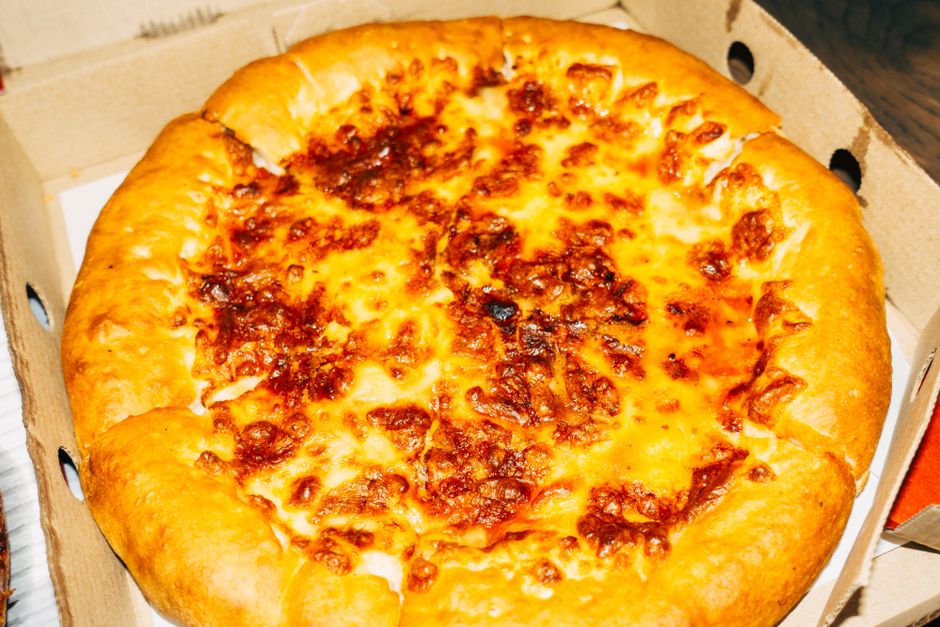
With inflation cooling and consumer spending stabilizing, investors are keen to see whether private equity can push the brand back toward sustained growth. The buyer’s strategy centers on selective investments in core markets, rapid rollouts of digital ordering and loyalty programs, and a more targeted restaurant remodel cadence that lowers operating costs without sacrificing guest experience.
In recent years, Pizza Hut has benefited from menu enhancements and a renewed focus on value offerings. Still, margins remained under pressure as store-level costs rose and some underperforming locations persisted. The new capital injection is expected to fund a multi-year plan to refresh dining rooms, improve kitchen efficiency, and accelerate delivery capacity in key markets.
Investor Backstory: A Champion of Turnarounds
The principal backer behind the bid built a reputation by steering a rescue of Arby’s from a liquidity squeeze years ago. The same investor is now applying a version of that playbook to Pizza Hut: preserve the brand’s core identity while layering in modern operations and data-driven decision making. People close to the matter describe him as methodical, with a bias for long-term value rather than quick exits.
Industry analyst Emma Carter at GlobalData commented: "a bold repositioning move for a legacy brand with a loyal customer base". She added that the success of such a strategy depends heavily on execution, franchisee alignment, and the ability to squeeze incremental value from the investment without alienating the brand’s core customers.
Supporters of the deal argue that the split structure reduces the typical friction of cross-border integration. By separating China and non-China operations, the transaction reduces execution risk and preserves regional partnerships that could be disrupted by a single, unified ownership model. Critics, however, warn that carving Pizza Hut into separate geographies could complicate global brand consistency if not managed with a rigorous global governance framework.
Impact on Personal Finance and Retail Investing
For everyday investors, the Pizza Hut sale underscores how private equity and multinational food brands continue to shape the investment landscape. The deal highlights several takeaways for personal finance and retail investors:
- Scale matters: Large-cap restaurant brands remain attractive to private equity when paired with clear, executable modernization plans.
- Regional focus: Splitting international markets from core territories can reduce integration risk but requires robust governance and performance metrics.
- Capital for modernization: Modernizing kitchens, digital ordering, and delivery networks can unlock margin expansion, even in mature brands.
- Funding dynamics: The deal illustrates how private equity complements corporate divestitures as a path to realignment and value creation.
For savers and retail investors, it’s a reminder that the restaurant sector still offers growth potential, but with asymmetric risk. The market’s reaction to such transactions tends to hinge on clarity of plan, speed of execution, and the ability to maintain franchisee enthusiasm.
Market Reaction: What Investors Are Watching
Trading activity around Yum Brands has been highly sensitive to deal updates, with investors weighing how the Pizza Hut split will affect the company’s overall growth trajectory. Analysts note that the company’s other brands, such as KFC and Taco Bell, remain essential to the parent group’s resilience in downturns, while Pizza Hut’s revival could unlock new value if the capital program is deployed effectively.
Franchisees and suppliers will be looking for clear commitments on brand standards, menu flexibility, and store-level investment. A successful relaunch could lift same-store sales in key markets, a prospect that would validate the private equity sponsor’s high-conviction bet and, by extension, the idea that saved arby’s betting $2.7 was the right kind of bold move at the right time.
What This Means for 2026 and Beyond
The Pizza Hut deal arrives in a year when consumer confidence has been uneven and restaurant traffic remains sensitive to wage trends and interest rates. The private‑equity bid to finance a comprehensive brand revamp fits into a broader pattern: investors favor opportunities where brand equity can be harnessed with digital upgrades and store modernization. The move also signals that market participants remain willing to fund ambitious turnarounds, especially when leadership has a proven track record of reviving legacy assets.
Looking ahead, Pizza Hut’s path will hinge on three factors: execution speed, franchisee alignment, and the ability to translate a revitalized brand promise into higher guest counts and ticket sizes. If the plan hits its targets, the deal could become a blueprint for how mature restaurant chains compete with nimbler, newer concepts that have captured consumer attention in recent years.
Bottom Line
The $2.7 billion Pizza Hut sale marks a watershed moment for a brand with enduring recognition and a loyal following. The split between LongRange Capital and Yum China places the right capital with the right regional focus, while the private equity lead brings a reputation for turning around flagging franchises. In an era of high-stakes bets on established brands, the phrase saved arby’s betting $2.7 has taken on new meaning as a shorthand for bold strategic bets that aim to extend a legacy into the next decade.


Discussion