What Is Happening Now
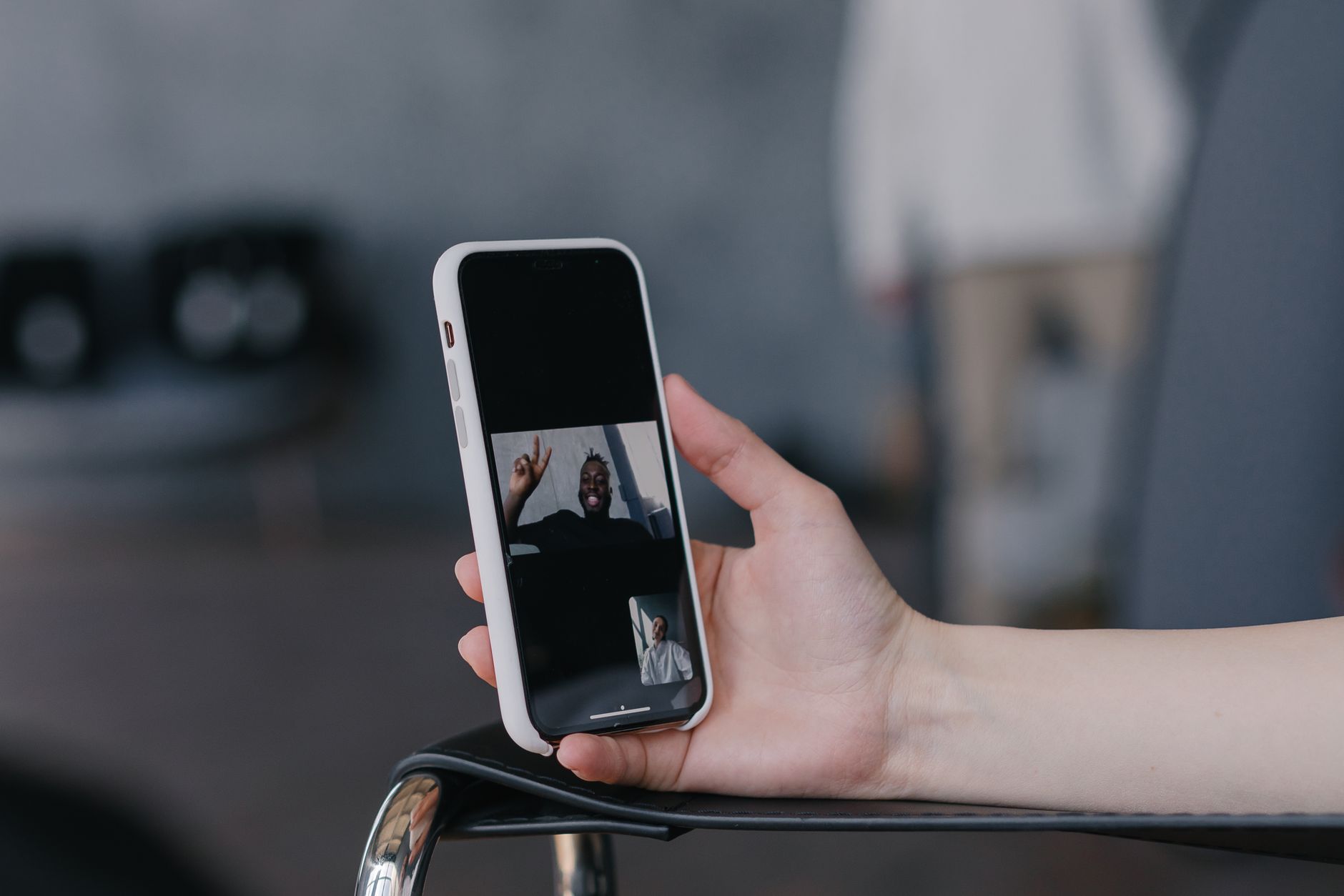
Bank customers are increasingly targeted in a wave of fraud that starts with a bogus alert and ends with a live FaceTime session. In multiple states, victims say they were told their accounts were compromised and were pushed to verify details during a video call. The attackers then press for passwords, one-time codes, and other security data, enabling unauthorized transfers or access to apps.
How It Unfolds
- Step 1: A convincing fraud alert arrives, often claiming unusual activity or a security breach.
- Step 2: The caller requests a live FaceTime session to resolve the issue in real time.
- Step 3: On camera, the victim is asked for passwords, PINs, or one-time verification codes, sometimes guided to type details into fake login screens.
- Step 4: With the data captured, attackers authorize transfers, reset passwords, or take control of online banking apps.
- Step 5: The scam becomes apparent only after unauthorized transactions appear on the victim’s account.
Scale and Impact
Law enforcement and consumer groups report a rapid uptick in these video-call style scams. In three major metro areas alone, investigators logged more than 120 complaints tied to video-call fraud in the last two weeks. Several regional banks issued urgent advisories to customers, urging vigilance and rapid reporting if suspicious activity is detected.
Key Data for Consumers
- Age range most affected: 25 to 54 years old, with a noticeable rise among first-time online banking users.
- Common pretexts: fake alerts about compromised accounts or suspicious login attempts.
- Unlocking threat: attackers seek passwords, PINs, and two-factor codes during the call.
- Geographic spread: cases reported across multiple states, indicating a broader pattern than a single scam ring.
- Financial impact: several victims reported immediate unauthorized transfers and new device enrollments on banking apps.
Protect Yourself Now
- Do not grant screen sharing or remote-banking access during calls about account problems.
- Hang up and call the bank using a phone number from your official card or app.
- Turn on all available two-factor protections and monitor account alerts in real time.
- Never disclose passwords, PINs, or verification codes, even if the caller insists they are from the bank.
Official Response and Warnings
Fraud specialists urge immediate action if you suspect you have been targeted. Detective Lena Ortiz of the Financial Crimes Task Force described the trend as a real shift: "We are seeing a sharp uptick in attempts that blend fake alerts with video calls." Security experts add that this approach shows how scammers using facetime steal access to codes and passwords, bypassing traditional text-based protections. In a joint advisory, consumer groups urged banks to bolster customer education and to provide rapid help for anyone who fears exposure.
What To Do If You Are Targeted
If you think you have encountered this scam, contact your bank right away to freeze or monitor accounts, report the incident to local police, and file a report with the IC3 hotline. Review recent transfers and promptly change online banking passwords. Keep a close eye on credit reports and consider placing a fraud alert if you notice unusual activity.

Discussion