Hooked by a Hopeful Post? How AI-Driven Scams Prey on Pet Lovers
Humans are wired to respond to animals, especially when a beloved dog or cat goes missing. That emotion can be powerful—and it’s precisely what scammers prey upon. In recent months, authorities have sounded the alarm about a troubling tactic: scammers using images injured AI-generated scenes to pressure owners into paying money for a pet’s "emergency care" or safe return. These operations start with something almost everyone has: a missing-pet post on social media. The next moment, a frightening image lands in the inbox that makes a desperate person feel like time is running out. This is a textbook case of how technology can be weaponized against everyday fears. In this article, we’ll explain how scammers using images injured operate, why AI makes the ruse so convincing, and—important—what you can do to protect your wallet and your pet. We’ll blend real-world patterns with practical steps, so you leave with a clear plan rather than a knot of worry.
How the Scam Works: A Step-by-Step Look
The core process is surprisingly simple, but the emotional impact can be profound. Here’s a step-by-step breakdown of how scammers using images injured typically run their playbook:
- Seed with a genuine post: A pet owner posts a missing dog or cat on Facebook, Instagram, or a local community page. This is where the scam gains traction, because the poster has already shared a real concern with real photos.
- Harvest the photo: The scammer steals the posted image, often directly from the owner’s public feed or from a local lost-pet group. This step is critical because it seeds the manipulation with something that looks familiar and real.
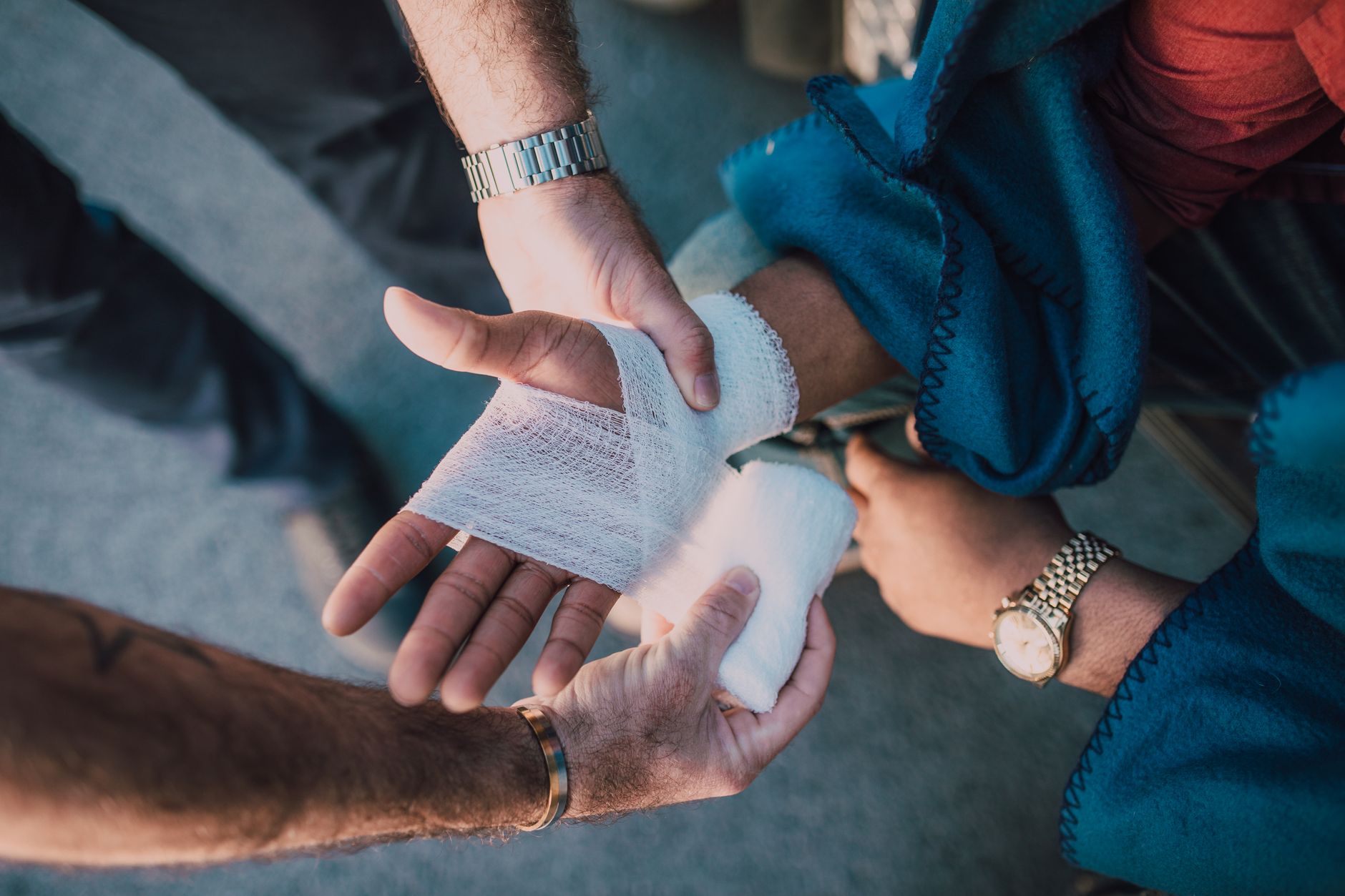
- Generate an injured image with AI: Using AI tools—ranging from image-generation models to simple manipulation software—the culprit creates a convincing scene of the pet injured in an animal hospital or clinic. The result is a powerful emotional trigger: fear for the pet’s health and a sense of urgency.
- Deliver a no-time-left demand: The scammer sends a message claiming they’ve found the pet, but the animal requires urgent treatment. The message includes a payment demand, often in cryptocurrency, gift cards, or other hard-to-trace formats.
- Push for rapid payment: The attacker references a supposed deadline or “emergency” scenario and pressures the owner to act quickly—before they can verify the claim. In the best-case for the scammer, funds are gone before a real vet or shelter can be contacted.
One of the most unsettling parts is that the initial photo is real—so the first evidence looks legitimate. The resulting AI-generated injury scene can appear authentic enough to trigger a genuine, urgent response. The phrase "scammers using images injured" is not just a catchy line; it captures the tactic’s core emotional lever: fear and sympathy drive people to skip steps and pay fast.
Why AI Makes This Scam So Convincing
Artificial intelligence has advanced to the point where generating realistic-looking photos and short video clips is fast and affordable. Scammers using images injured leverage several advantages:
- Realistic visuals: A convincing photo can convey injury or distress more powerfully than text alone. When a pet owner sees an image that resembles a clinic setting, the emotional impulse to act overwhelms cautious judgment.
- Personalization: The attacker uses a photo the owner already shared, which makes the ruse feel personalized and not a random scam. The emotional resonance increases the likelihood of a quick response.
- Speed and opacity: Cryptocurrency transfers and gift cards leave little room for reversal. The lack of a clear, simple path to confirm the claim makes a time-pressure tactic more effective.
- Limited verification options: In the moment of a missing-pet crisis, many people don’t immediately call the clinic that posted the supposed update, leaving a window for the scam to close before proper checks are made.
In our conversations with financial- and safety-minded readers, we hear a clear pattern: the scam exploits the exact moment when fear is highest and information is most uncertain. The phrase scammers using images injured captures the tactic’s essence—the manipulation of a powerful image to create a sense of unavoidable urgency.
Red Flags You Shouldn’t Ignore
Awareness is your best defense. Here are warning signs that a missing-pet crisis message may be a scam, rather than a legitimate update:
- Unsolicited payment requests: A message demands cryptocurrency, gift cards, or wire transfers without an opportunity to discuss alternative options.
- Photo looks pristine but suspicious: The “injured” image may show subtle anomalies—overly glossy eyes, lighting that doesn’t match a clinic setting, or prosthetic injuries that look staged.
- Requests for secrecy or speed: The scam pushes you to “not tell anyone” or act within minutes to “save the pet.”
- Pressure to bypass official channels: The message asks you to pay before you can verify with your own vet, shelter, or the original poster.
- Disconnected contact points: The sender uses an alias, a new email, or a messenger account that seems sketchy or inconsistent with the public post you made.
While these signals aren’t proof of a scam on their own, they should prompt a pause and a verified check. Remember that the simplest tactic—demanding an immediate payment—should raise suspicion, especially when paired with a plausible but false emergency.
Concrete Steps to Take If You Suspect a Scam
Getting a red-flag message doesn’t mean you’ve definitely been targeted, but acting quickly is essential to minimize risk. Here’s a practical action plan you can follow the moment you sense trouble:

- Pause and verify: Do not send money. Check the original post for signs of tampering and search for the same post on multiple devices or accounts to confirm its authenticity.
- Contact the clinic or shelter directly: If the image claims a real clinic, call the clinic’s publicly listed number (not any provided in a suspicious message) and ask if they’ve treated your pet or if they’ve received a missing-pet report tied to you.
- Reach out to the pet’s microchip company or your veterinarian: If your pet has a microchip, the company can help verify ownership and status without exposing you to a scam.
- Hold on the payment: If a payment is requested, decline and explore legitimate avenues for help—local humane societies, reputable rescues, or trusted friends or family funds.
- Document everything: Save screenshots, note the date and time, and keep a log of all communications. This helps if you decide to report the incident.
- Report the scam: File a report with local police, and consider reporting to federal or state cybercrime divisions, as well as consumer-protection agencies and platforms (Facebook, Instagram) where the post appeared.
Real-world examples show that victims who verify through multiple sources and use stable, well-known channels are far less likely to lose money. The key is to detach the emotional reaction from the decision and rely on a plan built on verified facts rather than urgency.
Protecting Your Missing-Pet Posts and Your Wallet
The best defense against scammers using images injured is a proactive set of habits that reduce exposure and increase verification confidence. Here are strategies you can start using today:
- Limit who can see your posts: Use privacy settings to restrict visibility to trusted friends instead of making a post public. This reduces the chance that a scammer can steal your image.
- Use watermarked or low-risk photo sharing for public posts: If you must post publicly, consider watermarks or blurred previews for extended reach. Do not post clear, high-resolution images that reveal identifiable details.
- Enable two-factor authentication: Secure your social accounts with 2FA to prevent unauthorized access that could lead to photo theft or impersonation.
- Practice image hygiene: Before posting, remove metadata such as location and device information that could help a scammer tailor a follow-up attack.
- Set up a trusted recovery channel: Ask a friend to help monitor posts and flag suspicious messages. Having a second check reduces the chance you’ll react instinctively to a fear-based request.
- Know your legitimate contact points: Save the official contact details of your usual veterinarian, shelters, and rescue groups, and verify any new contact independently before engaging.
Building these habits isn’t just about stopping a single scam; it’s about creating a financial safety net around your relationship with your pet and your online life. It’s worth noting that the most aggressive scams often adapt to how people use social media, so ongoing vigilance is essential.
What to Do If You Have Already Paid or Shared Sensitive Information
If you’ve already paid or shared payment details, act quickly to minimize potential damage. Here are the steps to take:
- Contact the payment provider: If you paid via cryptocurrency or gift card, report the transaction to the platform and request any possible reversal. While reversals are rare, some providers can freeze transfers if caught early.
- Notify your financial institutions: If you shared bank or card information, contact your bank or card issuer immediately to monitor activity and request limits or a card replacement if needed.
- Report and document: File a report with local authorities and the platform where the scam occurred. Save all messages and ID the accounts involved for future investigations.
- Learn and adjust: Review your privacy settings, post strategies, and messaging habits to prevent a repeat incident. Update your security questions and recovery options across accounts.
A Concrete Plan to Reduce Risk for 2026 and Beyond
Protecting yourself from scammers using images injured isn’t a one-time fix; it’s a habit you build into your online life. Here’s a practical, repeatable plan you can implement now:
- Audit your social footprints: Review past posts for public images that could be repurposed. Archive or delete high-risk photos and update your privacy settings.
- Create a verification routine: For any missing-pet update, contact at least two independent sources (your vet, a local shelter, or a known rescue) before taking action.
- Institute a waiting period for urgent requests: Implement a policy to wait 24–48 hours before paying or sharing sensitive information. Emergencies deserve care, but verification is essential to prevent loss.
- Educate your circle: Share these steps with friends and family so they can recognize scams and protect their own pets and finances.
- Keep a dedicated pet-safety fund: Set aside a modest amount for genuine emergencies that arise soon after a lost-pet post, and route requests through recognized channels only.
Bottom Line: Stay Calm, Verify, and Protect Your Finances
The rise of AI-generated imagery has given scammers a powerful new tool, but it doesn’t have to derail your recovery process when a pet goes missing. By understanding how scammers using images injured work, staying alert for red flags, and following a methodical verification routine, you can protect both your pet and your finances. The goal is to replace impulse with informed, deliberate action. The more you practice that, the more resilient you become against these and other digital threats.
Frequently Asked Questions
Q1: How exactly do scammers using images injured pressure pet owners to pay?
A1: They use AI-generated or manipulated imagery showing the pet in distress to trigger fear and urgency. Then they pair the image with a fast payment demand, often in cryptocurrency or gift cards, and push for immediate action without time to verify.
Q2: What should I do first if I suspect a scam message about my missing pet?
A2: Pause, don’t pay, and verify through trusted channels. Contact your veterinarian, local shelters, and the original poster using independent sources. Check the clinic’s official site or call a listed number rather than following the message’s instructions.
Q3: How can I reduce the risk of these scams affecting my posts?
A3: Use tighter privacy settings, watermark or blur photos before public sharing, turn on two-factor authentication for social accounts, and maintain a current list of trusted contacts for pet-related updates.
Q4: If I’ve already paid or shared information, what’s the quickest way to recover or minimize damage?
A4: Report the incident to the platform and local authorities, contact the payment provider to attempt a reversal (where possible), and notify your bank or card issuer. Document everything to help investigators and prevent future scams.

Discussion