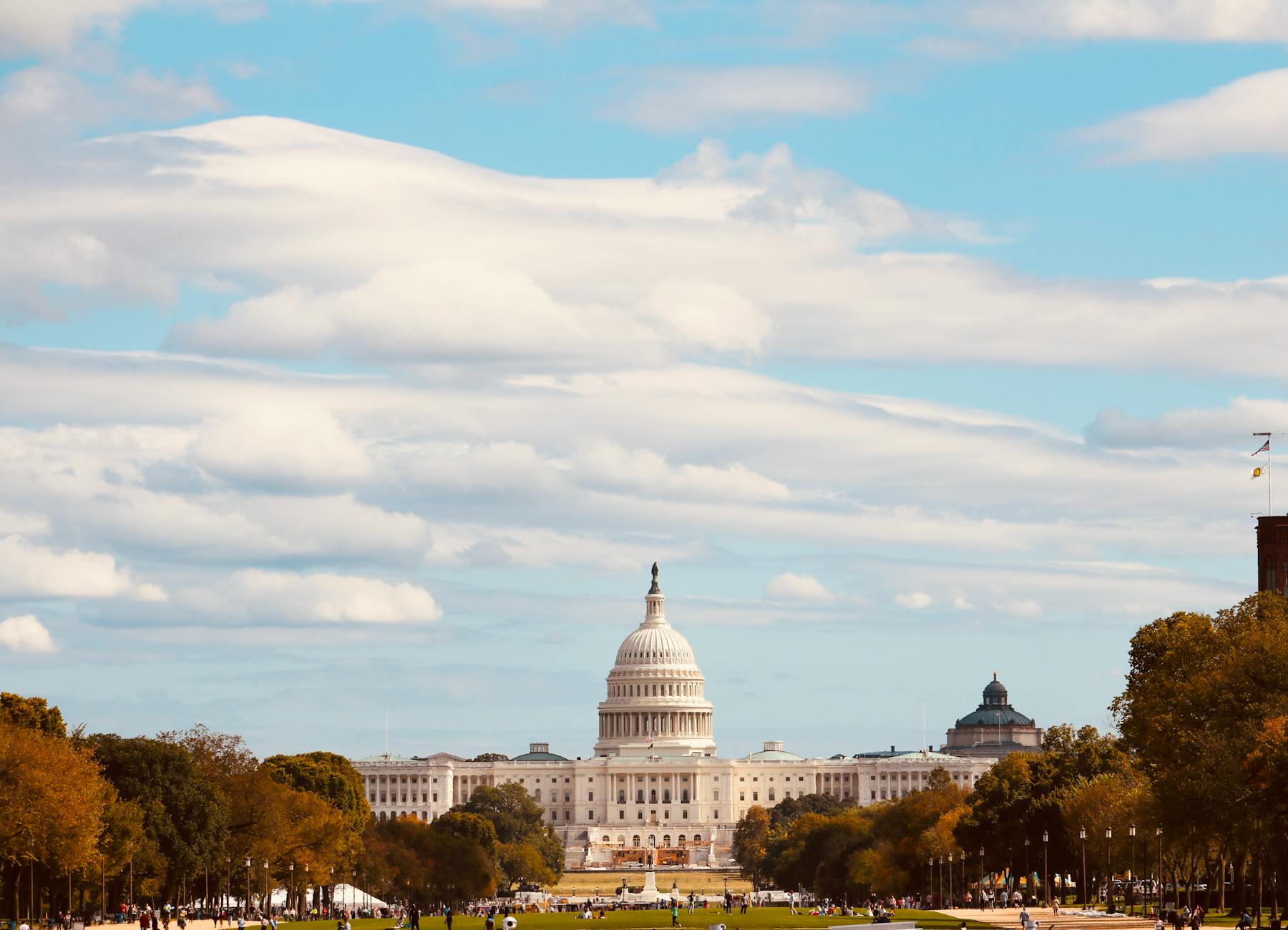
Breaking News: Senate Confirms Kevin Warsh as Fed Chair
The Senate confirmed Kevin Warsh to chair the Federal Reserve in a late-night vote, ending months of public debate and speculation among investors. The 56-44 tally signals a narrowly divided chamber but a clear start to Warsh's tenure at the central bank.
Wall Street opened lower on news of the vote, then trimmed losses as traders assessed potential policy moves. In remarks delivered after the vote, Warsh pledged to keep inflation in check while pursuing a steady path toward policy normalisation. "We will act with deliberation and transparency," he said, underscoring a preference for gradual adjustments rather than abrupt shifts.
What Happened and Why It Matters
The confirmation caps a fraught nomination process that pitted inflation hawks against growth watchers. Warsh's allies framed the pick as a signal that the Fed will prioritize price stability while avoiding sudden credit-tightening that could derail the recovery. Critics warned of misaligned expectations if the central bank moves too slowly in a higher-rate environment.
In confirming Warsh, senators highlighted his deep experience with monetary policy and financial regulation. Supporters argued his background would help the Fed navigate a complex economy where services inflation remains sticky and supply chains have largely normalized. Critics cautioned that the new leadership could keep rates higher for longer, potentially pressuring borrowers and the housing market.
As part of the transition, Warsh inherits a Fed balance sheet still adjusting to years of quantitative accommodation. The incoming chair inherits a framework that has kept policy rates elevated to curb inflation while supporting employment. The question now is timing: how quickly will the Fed pull back on stimulus, and what signals will Warsh send about the pace of future rate changes?
Market and Personal Finance Impact
- Stock futures moved higher after the initial sell-off, with the S&P 500 attempting a rebound as investors priced in a measured policy path.
- 10-year Treasuries touched around the 4.0% yield range, reflecting expectations of continued higher-for-longer rates even as markets anticipate gradual relief.
- Mortgage rates remained near recent peaks, with the benchmark 30-year fixed around the mid-6% area in many lenders’ quotes, impacting homebuyers and refinancers.
- Savers could see marginally better returns on short-term CDs and money-market funds if the Fed maintains a cautious pace, while borrowers may face ongoing pressure from higher debt service costs.
Personal finance analysts say the key takeaway is policy predictability. The market’s reaction indicates a preference for steady, well-telegraphed moves rather than surprise shifts that could amplify volatility. "Investors want clarity on rate expectations, and Warsh's stance appears to lean toward a deliberate, data-driven approach," said a market strategist who spoke on condition of anonymity.
Warsh’s Policy Stance in Focus
Warsh has long argued that there is room for the central bank to lower interest rates, but that such moves must be carefully weighed against inflation pressures. The confirmation places him at the helm as inflation remains stubborn in several sectors, including services and housing-related components. In his prior public remarks, Warsh highlighted the importance of credible inflation expectations and a data-driven assessment of labor market slack.
Supporters say his emphasis on gradualism could reduce the risk of abrupt tightening that would stall growth or push unemployment higher. Detractors worry that waiting too long risks letting inflation become uncomfortably entrenched. The new chair will face a delicate balancing act between price stability and sustainable job gains, with monthly inflation data and wage growth now in sharper focus for the policy committee.
In a market note, analysts framed Warsh’s appointment as a signal that the Fed may pursue a slower rate-normalization trajectory than some investors had priced in. The central bank’s communications strategy will matter nearly as much as its actual actions, they said, with markets closely watching dot plots, projections, and press conference phrasing for hints about the future pace of rate cuts or further tightening.
Timeline and What Comes Next
Warsh will begin a multi-year term as chair, a tenure that could shape monetary policy through a range of economic cycles. The transition period includes:
- A formal committee reorganization and staff assignments within the Fed’s monetary policy and research teams.
- A renewed focus on inflation forecasting accuracy and the credibility of the Fed’s forward guidance.
- Ongoing debates about the balance sheet and the pace of balance-sheet normalization alongside policy rate decisions.
- Regular testimonies to Congress, where Warsh will answer questions about growth projections, labor markets, and financial stability risks.
Fed watchers will monitor inflation prints, consumer spending trends, and wage growth as the new leadership sets the tone. The administration and Congress have signaled a collaborative posture, but the split in the Senate could color the pace of future regulatory and oversight moves that intersect with monetary policy.
What This Means for Consumers and Savers
For households, the headline news of the senate confirms kevin warsh is likely to translate into a more predictable rate path in the coming months. While higher rates slow borrowing and cool housing demand, they also keep savings rates more attractive relative to a pre-pandemic baseline. The crucial question for many families is whether upcoming data on inflation and job growth will prompt the Fed to alter its course.
Credit card borrowers may face continued higher interest costs if short-term rates stay elevated. Auto loans and student loans could inch higher, depending on the federal funds rate trajectory and competitive pressures among lenders. On the upside, savers who park funds in CDs or high-yield savings accounts could see incremental gains if policy communicates a steady easing path later this year.
Public and Political Reactions
Reaction from lawmakers was swift and nuanced. Some senators praised Warsh for his expertise and insistence on price stability, while others warned against a protracted period of tight policy that could slow hiring. In the financial press, analysts framed the vote as a mid-term inflection point that could define the trajectory of monetary policy amid a still-fragile growth outlook.
Market participants emphasized that the real test will be in the Fed’s upcoming projections and the new chair’s communications strategy. Investors will parse every quarterly update for signals on whether rate cuts are closer than previously anticipated, or if policy remains constrained for longer than expected.
Bottom Line
The senate confirms kevin warsh as the next chair of the Federal Reserve marks a watershed moment for U.S. monetary policy. With inflation stubborn and growth uneven, Warsh enters the job with a mandate to guide the central bank through a period of transition. The coming months will test whether the new leadership can deliver credible inflation control while sustaining employment and financial stability.
Additional Context for Readers
As households adjust to the new regime, the policy mix will influence everything from the cost of credit to retirement planning. Saving strategies, debt management, and investment allocations will all hinge on the Fed’s signaling about future rate moves. The broader market backdrop includes ongoing global economic shifts, currency dynamics, and domestic policy decisions that could alter the pace of economic normalization in 2026 and beyond.

Discussion